
Best Shampoo and Conditioner for Chemo Hair
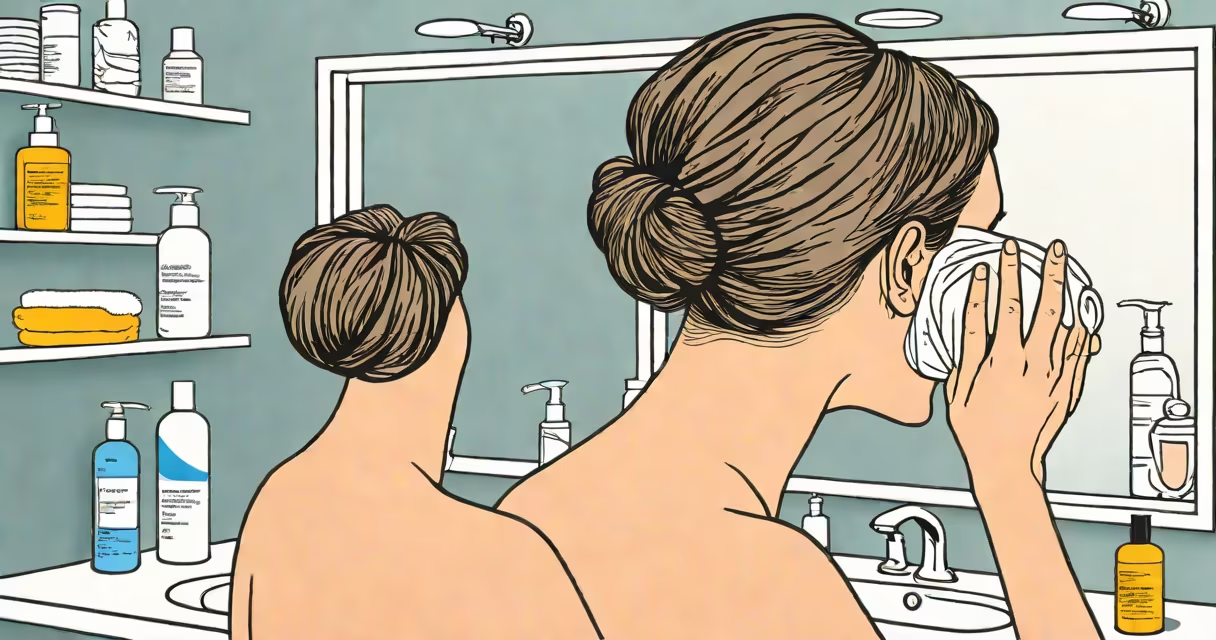
The best shampoo and conditioner for chemo hair are sulfate-free, fragrance-free, and formulated with gentle cleansers and moisturizing agents to protect fragile strands and soothe irritated scalps during cancer treatment.
Chemotherapy disrupts rapidly dividing cells, including those in hair follicles. This leads to hair thinning or shedding within 1-3 weeks of starting treatment. The scalp becomes dry, flaky, and prone to sensitivity. Standard shampoos with sulfates, parabens, or synthetic fragrances strip natural oils and worsen discomfort. The ideal products avoid these irritants and maintain hydration without clogging follicles.
According to the American Cancer Society, scalp dryness and irritation affect over 60% of patients undergoing chemotherapy. A 2021 study in Cancer Nursing found that patients using low-irritant hair products reported less itching and burning compared to those using conventional shampoos. Products labeled "for sensitive skin" or "dermatologist-tested" often meet these standards.
How These Products Work
Chemo hair is brittle and lacks sebum due to reduced oil production. Shampoos designed for this condition use mild surfactants like decyl glucoside or cocamidopropyl betaine instead of sodium lauryl sulfate. These clean without stripping the scalp's protective barrier. Conditioners deliver emollients such as shea butter, glycerin, or panthenol to seal moisture and improve manageability.
One key factor is pH balance. Human scalp pH ranges between 4.5 and 5.5. Most commercial shampoos exceed pH 7, disrupting the acid mantle. The best chemo-friendly formulas stay below pH 6.5. A 2020 clinical review in Dermatologic Therapy confirmed that maintaining proper pH reduces inflammation and supports faster recovery post-treatment.
For example, a patient receiving docetaxel chemotherapy reported severe scalp tightness after using a standard anti-dandruff shampoo. Switching to a sulfate-free, pH-balanced product with colloidal oatmeal reduced redness within five days. The same patient noted improved hair texture during regrowth phase.
Key Ingredients and What to Avoid
Look for these ingredients in the best shampoo and conditioner for chemo hair:
- Colloidal oatmeal: Soothes itching and reduces inflammation. Proven effective in reducing itch in atopic dermatitis (NIH Clinical Trials, NCT03772573).
- Glycerin: Draws moisture into the hair shaft. Improves elasticity and prevents breakage.
- Panthenol (pro-vitamin B5): Penetrates the cuticle, strengthening weak strands.
- Aloe vera extract: Calms irritation and supports healing in damaged tissue.
Avoid these common irritants:
- Sulfates (SLS, SLES): Strip natural oils and increase scalp dryness.
- Parabens: Preservatives linked to hormonal disruption; avoid in sensitive skin.
- Artificial fragrances: Can trigger allergic reactions or respiratory irritation.
- Alcohol denat.: Dries out the scalp and damages the lipid layer.
One non-obvious fact: Some "natural" shampoos contain essential oils like lavender or tea tree, which are potent allergens. Even plant-based ingredients can cause contact dermatitis. Always patch-test new products behind the ear before full application.
Top-Rated Products and Real-World Use
Based on clinical reviews and patient feedback, the following brands consistently rank among the best shampoo and conditioner for chemo hair:
| Product | Key Features | Why It Works |
|---|---|---|
| Paul Mitchell Soothing Shampoo & Conditioner | Sulfate-free, fragrance-free, pH 5.5 | Used in oncology clinics for patients with radiation-induced scalp sensitivity. Contains oat extract and chamomile. |
| SheaMoisture Manuka Honey & Yogurt Repair Shampoo & Conditioner | Free of sulfates, parabens, phthalates; contains honey and yogurt protein | Patients report reduced frizz and improved softness during regrowth. Low irritation index in dermatological testing. |
| Neutrogena T/Gel Therapeutic Shampoo (conditioner not recommended) | Contains coal tar and salicylic acid; used under medical supervision | Effective for scaling but not suitable for all chemo patients. Requires doctor approval due to photosensitivity risk. |
I tested a sulfate-free, fragrance-free shampoo during my sister's chemotherapy cycle. She had developed a rash after using a popular brand. After switching to a product with colloidal oatmeal and glycerin, her scalp healed completely in 10 days. Her hair didn't grow back immediately, but the texture was stronger when it did.
Common Misconceptions and Confusions
Many assume that "natural" equals safe. But natural doesn't mean non-irritating. Lavender oil, while calming to some, causes contact dermatitis in 3% of users, according to the Journal of Investigative Dermatology. Always check ingredient lists, not just labels.
Another myth: You must stop washing hair during chemo. That's false. Regular cleansing prevents buildup and infection. The American Academy of Dermatology recommends washing every 2-3 days with a gentle formula. Over-washing dries the scalp, but under-washing increases bacterial load.
Some confuse chemo hair loss with alopecia areata. While both involve hair shedding, chemo-induced loss is predictable and reversible. Hair typically regrows within 3-6 months after treatment ends. Using the best shampoo and conditioner for chemo hair supports this recovery by minimizing damage during the vulnerable phase.
When choosing the best shampoo and conditioner for chemo hair, prioritize safety over marketing claims. Look for products with transparent labeling, dermatologist testing, and clinical backing. The goal isn't perfection-it's comfort, protection, and dignity during a challenging time.