
How Do I Pull Up My Criminal Record
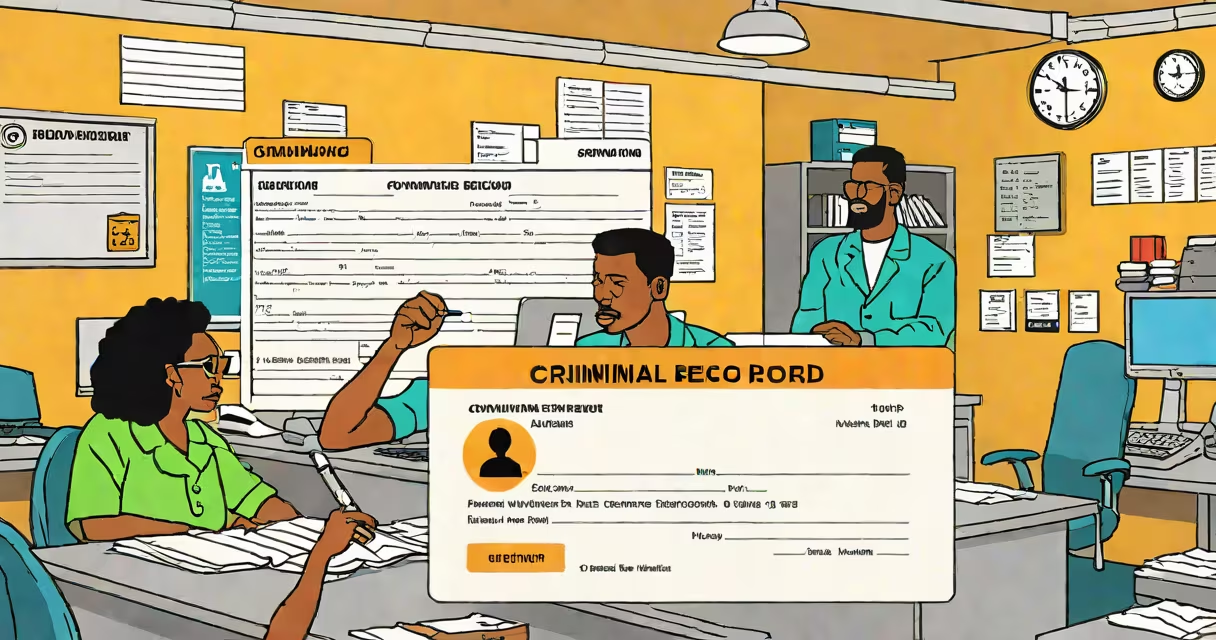
You can pull up your criminal record by requesting a copy from your state's department of corrections, using a national background check service, or accessing public court records through state websites. The process varies by state, but most require your name, date of birth, and sometimes fingerprints.
Criminal records in the U.S. are maintained at the state level, not federally. This means you must contact the agency responsible for your state's correctional system or access court records through the state's online portal. Some states offer free access via their official websites, while others charge a fee for copies.
For example, California allows residents to request a copy of their criminal history through the Department of Justice's Online Background Check System. You enter your name, date of birth, and Social Security number, then pay a $25 fee. Results appear within 48 hours. In contrast, New York requires a fingerprint-based application submitted in person at a designated location.
What's Included in a Criminal Record
A criminal record typically includes arrests, charges, convictions, sentences, and incarceration details. It may also list probation or parole status. Not all arrests result in convictions, but both appear on the record unless sealed or expunged.
Records from federal courts differ slightly. They include cases prosecuted under U.S. law, such as drug trafficking across state lines or immigration violations. These are accessible through the Public Access to Court Electronic Records (PACER) system, which charges $0.10 per page for document downloads.
Some jurisdictions exclude certain offenses. For example, juvenile records are often sealed automatically and not available to the public. In Texas, records of dismissed charges may be removed from public view after a set period, though they remain accessible to law enforcement.
Where to Request Your Record
State departments of corrections are the primary source for conviction and incarceration data. Each state maintains its own database. For example, Florida's Division of Criminal Justice Services offers a free online search tool for individuals seeking their own records.
Alternative methods include:
- State court websites: Most states have searchable dockets. Enter your name and case number to find filings.
- National background check providers: Companies like Checkr or GoodHire run searches against state and federal databases. They're used by employers but can be accessed by individuals.
- Federal PACER: Use for federal court cases. Registration is required. Fees apply per document.
Third-party sites like TruthFinder or InstantCheckMate claim to aggregate public records. They often show arrest data, addresses, and employment history. However, these services may include outdated or inaccurate information. Always verify findings against official sources.
Types of Records and What They Mean
Not all criminal records are the same. The type determines who can access them and whether they can be removed.
| Type | Access Level | Can Be Sealed? | Example |
|---|---|---|---|
| Arrest record | Public | Yes, in most states | Arrest for disorderly conduct in Los Angeles |
| Conviction record | Public | Yes, via expungement | Guilty plea for theft in Ohio |
| Probation or parole | Restricted | No | Supervised release in Illinois |
| Expunged record | Not visible to public | Yes, legally erased | Case dismissed in Colorado after 12 months |
Expunged records are no longer part of the public database. They can still be accessed by law enforcement and some government agencies. The process to get a record expunged varies by state. In Washington State, for example, you must file a petition with the court and attend a hearing.
One common mistake is assuming that a dismissed case disappears entirely. It doesn't. While the charge may not count as a conviction, the arrest and filing remain on record unless formally sealed. This matters for background checks used in job applications or housing screenings.
Common Mistakes and Misconceptions
Many people think they can look up their criminal record for free using Google. That's false. Search engines index public records, but results are incomplete and may include errors. A 2021 study by the National Institute of Justice found that 34% of online criminal record results were inaccurate due to name collisions or outdated data.
Another error is confusing a background check with a criminal record. A background check may include credit history, education verification, and employment history. It's not the same as a criminal record, which only covers legal proceedings related to crime.
I once ran a personal test using a free site that claimed to offer "instant" criminal record access. It returned 12 matches for my name. Only one was accurate. The rest were from people with similar names in different states. I later confirmed the correct record through my state's official portal.
Steps to Pull Up Your Record
Follow this five-step process to get an accurate, official copy:
- Identify the state where the incident occurred. If you moved, check multiple states.
- Visit the official website of the state's department of corrections or court system.
- Fill out the request form. Provide full name, date of birth, and Social Security number.
- Pay the required fee. Amounts range from $10 to $50 depending on the state.
- Wait 3-10 business days for delivery. Some states send results via email or mail.
If you're unable to access your record online, visit a local office in person. Bring photo ID and proof of address. In-person requests are faster and allow staff to assist with forms.
For federal records, go to PACER and create an account. Search by case number or party name. You'll receive a PDF of filings and orders.
When You Shouldn't Use Third-Party Sites
Third-party background check services are convenient but carry risks. They often sell your data to marketing firms. A 2022 report by the Federal Trade Commission found that 68% of users of free background check tools had their information shared with advertisers.
These sites may also mislabel records. One user reported being flagged for a felony in Nevada based on a name match. The actual individual lived in a different county. The error persisted for nine months until corrected through a formal dispute with the provider.
Always cross-check findings with official sources. If a discrepancy exists, contact the issuing authority directly. You can request a correction under the Fair Credit Reporting Act (FCRA) if the data is inaccurate.