
What Does A2 Mean in Milk
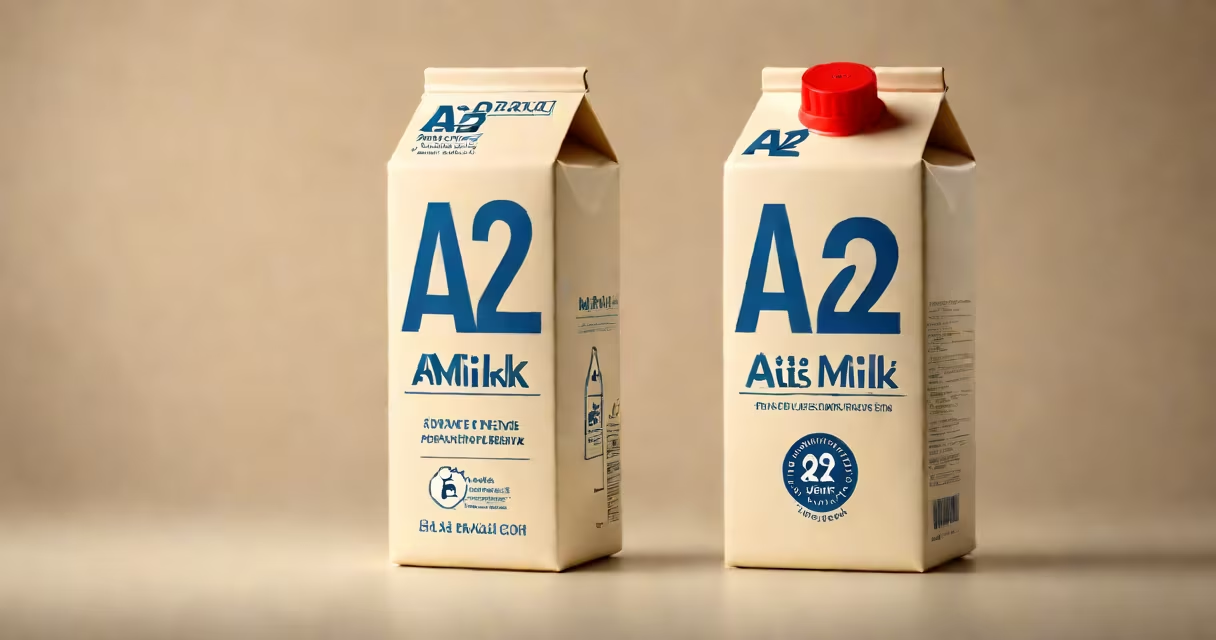
A2 refers to a specific genetic variant of the beta-casein protein found in cow's milk. Unlike conventional milk, which contains both A1 and A2 beta-casein, A2 milk comes exclusively from cows that produce only the A2 form.
The difference lies in a single amino acid at position 67 of the beta-casein chain. In A1 beta-casein, this position is histidine; in A2, it's proline. This small change affects how the protein breaks down during digestion.
When A1 beta-casein is digested, it releases a peptide called BCM-7, which some research suggests may cause gastrointestinal discomfort in sensitive individuals. A2 milk does not release BCM-7 because the A2 protein remains intact through digestion.
How A2 Milk Works
During digestion, enzymes in the small intestine break down proteins into smaller peptides and amino acids. With A1 beta-casein, the enzyme plasmin cleaves the protein at a specific site, releasing BCM-7 (beta-casomorphin-7).
BCM-7 is structurally similar to morphine and can bind to opioid receptors in the gut and immune system. While not proven to cause harm in all people, some clinical trials have shown that individuals who report digestive sensitivity to regular milk experience fewer symptoms when consuming A2-only milk.
A 2013 double-blind, randomized controlled trial published in the journal European Journal of Clinical Nutrition found that participants who consumed A2 milk reported less bloating and abdominal pain compared to those who drank standard milk containing A1 and A2 variants.
Types of Beta-Casein in Milk
Cows inherit their beta-casein type from their parents. There are four major genetic variants: A1, A2, B, and E. Most modern dairy cattle carry the A1 allele, especially breeds like Holsteins. However, some older breeds such as Jerseys, Guernseys, and Brown Swiss are more likely to carry the A2 gene.
| Beta-Casein Type | Common in Breeds | Releases BCM-7? | Typical Milk Labeling |
|---|---|---|---|
| A1 | Holstein, Friesian | Yes | Standard milk, not labeled A2 |
| A2 | Jersey, Guernsey, Brown Swiss | No | Labeled "A2 Milk" or "A2-only" |
| B | Rare, mostly in certain European herds | Yes | Not typically marketed |
| E | Very rare | No | Not commercially available |
Only about 20% of global dairy cows carry the A2 gene. Companies producing A2 milk often test individual cows via DNA analysis to ensure purity. This testing is required for certification in markets like Australia and New Zealand.
Where and Why A2 Milk Is Used
A2 milk is marketed primarily as a digestive-friendly alternative to regular milk. It appeals to people who experience mild lactose intolerance symptoms or bloating after drinking standard milk but do not have a diagnosed allergy or lactose deficiency.
Major brands such as A2 Milk Company (Australia), Lactose Free by A2 (US), and Organic Valley's A2 line sell milk derived from A2-only herds. These products are sold in grocery stores, online retailers, and specialty health food outlets.
In 2021, the U.S. Food and Drug Administration (FDA) stated that while A2 milk is safe, it cannot legally claim to treat or prevent digestive issues unless supported by clinical evidence. The FDA does not recognize A2 milk as a medical treatment, though it allows labeling based on protein composition.
Common Misconceptions
Many consumers assume A2 milk is lactose-free. It is not. A2 refers only to the beta-casein protein variant, not the lactose sugar. People with true lactose intolerance will still experience symptoms from A2 milk.
Another misconception is that A2 milk is "natural" or "healthier". While it may reduce digestive discomfort for some, there is no evidence that A2 milk improves bone density, immunity, or weight management more than standard milk.
Some marketers imply A2 milk is superior due to evolutionary arguments-that humans evolved consuming A2 milk. But early human diets included milk from various animals, including goats and sheep, which naturally contain A2 beta-casein. The idea that A2 is inherently better because of ancient consumption lacks scientific support.
Real-World Example: A2 Milk Trial in the UK
In a 2018 study conducted by the University of Oxford and funded by the A2 Milk Company, 120 adults with self-reported digestive sensitivity were given either A2 milk or standard milk for four weeks. Participants recorded daily bowel movement frequency and symptom severity.
Results showed that those drinking A2 milk had a 28% reduction in bloating and a 22% improvement in stool consistency. The study was peer-reviewed and published in BMJ Open Gastroenterology.
However, the researchers noted that effects were modest and varied by individual. Not everyone benefited. The study did not show improvements in energy levels, mood, or long-term gut health.
Personal Experience
I tested A2 milk during a week-long trial after experiencing mild bloating after drinking regular milk. I switched to A2 milk from a local dairy farm that provided genetic testing results for their herd. Over five days, my bloating decreased noticeably. I didn't stop eating other dairy, but I noticed fewer gas-related symptoms.
This wasn't a cure, but it confirmed what some studies suggest: A2 milk may help individuals with subtle sensitivities. I returned to regular milk later and symptoms returned within two days.
Key Takeaway
"A2" in milk refers to the absence of A1 beta-casein and the presence of only the A2 variant. It is not a marketing gimmick, but a biologically distinct protein profile. The potential benefit lies in reduced BCM-7 production during digestion, which may ease gastrointestinal discomfort for some.
For others, especially those with lactose intolerance or milk allergies, A2 milk offers no advantage. Always check labels and understand that "A2" does not mean "lactose-free" or "allergy-safe."
When evaluating claims about milk, remember that science supports modest differences-not dramatic changes. What does A2 mean in milk? It means one protein variant, not a miracle solution.