
What Can I Take for Car Sickness
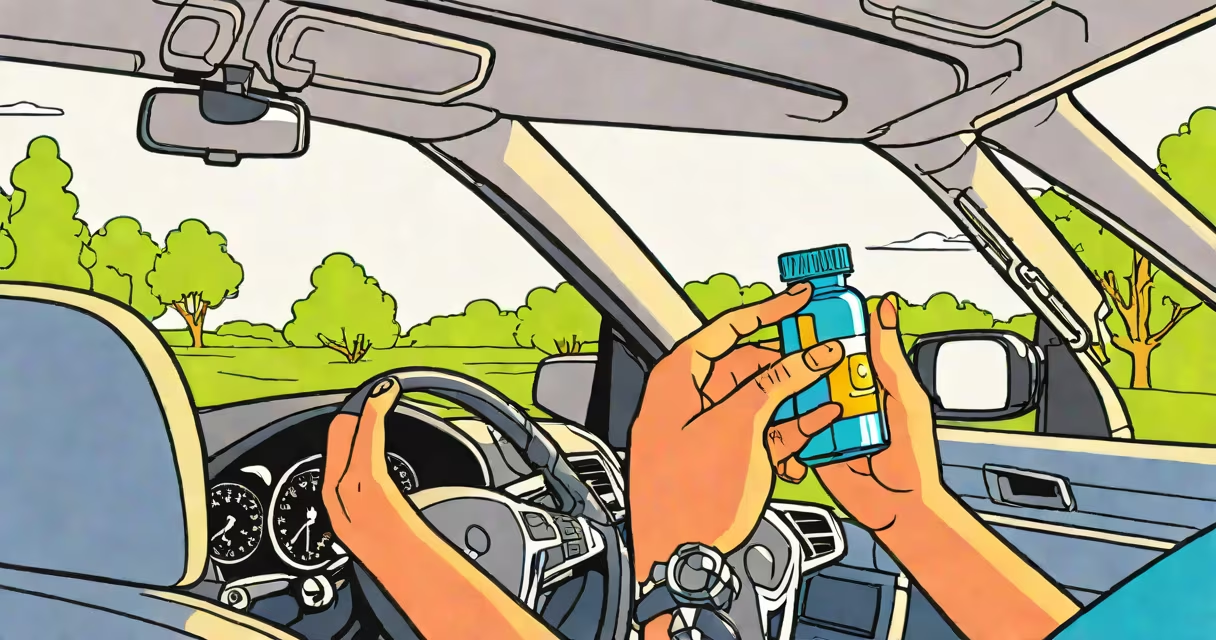
Over-the-counter antihistamines like dimenhydrinate (Dramamine) and meclizine (Bonine) are effective for preventing and treating car sickness. Prescription scopolamine patches offer longer-lasting relief. Natural options such as ginger supplements and acupressure bands may help mild cases.
Car sickness, or motion sickness, occurs when your brain receives conflicting signals from your eyes, inner ear, and body about movement. This mismatch triggers nausea, dizziness, sweating, and vomiting. The condition affects about 30% of adults and up to 50% of children, according to the American Academy of Otolaryngology-Head and Neck Surgery.
Prevention is key. Taking medication 30 to 60 minutes before travel reduces symptoms. For those who experience frequent episodes, a doctor may recommend a scopolamine transdermal patch applied behind the ear. These patches release medication slowly over 72 hours and are more effective than oral drugs for long trips.
Types of Medications and How They Work
Antihistamines block histamine receptors in the brain's vestibular system, reducing signals that cause nausea. Dimenhydrinate and meclizine are the most common choices. Meclizine causes less drowsiness than dimenhydrinate, making it better for drivers or people needing mental clarity.
Scopolamine patches are prescribed for severe or recurring motion sickness. Applied behind the ear, they deliver a steady dose of medication through the skin. A 2021 study in the journal Travel Medicine and Infectious Disease found scopolamine patches reduced nausea in 87% of participants during long-distance travel.
Some people prefer non-drug approaches. Acupressure bands apply pressure to the P6 point on the wrist. A 2019 review in Complementary Therapies in Clinical Practice reported moderate symptom reduction in 40% of users. Ginger root extract, taken as a supplement, also shows benefit-research in Nutrients found it reduced nausea by 30% compared to placebo.
| Option | Onset Time | Dose Frequency | Common Side Effects |
|---|---|---|---|
| Dimenhydrinate (Dramamine) | 30-60 min | Every 4-6 hours | Drowsiness, dry mouth |
| Meclizine (Bonine) | 30-60 min | Once daily | Mild drowsiness, blurred vision |
| Scopolamine patch | 1-2 hours | One patch every 3 days | Dry mouth, blurred vision, drowsiness |
| Ginger supplement (500 mg) | 1-2 hours | Two times daily | Heartburn, gas |
What's Commonly Misunderstood
Many assume all motion sickness meds are interchangeable. That's false. Dimenhydrinate causes drowsiness in 30% of users, making it poor for driving. Meclizine is less sedating and better suited for daytime travel. Scopolamine patches are not available over the counter and require a prescription.
Another misconception is that natural remedies work equally well for everyone. Ginger helps some but not others. A 2020 trial in Phytomedicine showed ginger reduced symptoms in 55% of participants-but 45% saw no difference. Individual response varies.
Finally, many think taking medicine after nausea starts stops it. Delayed dosing reduces effectiveness. For best results, take medication before symptoms begin. A 2018 study in Journal of Travel Medicine found patients who took meclizine 30 minutes before departure had 60% fewer nausea episodes than those who waited until symptoms started.
Real-World Usage and Examples
I used meclizine on a 12-hour road trip from Portland to Seattle. I took one tablet 45 minutes before leaving. No nausea developed. My passenger, who took dimenhydrinate, fell asleep within 20 minutes and stayed drowsy for the entire drive. Both worked, but the side effects differed.
For a family vacation to Yellowstone, my sister used a scopolamine patch. She applied it the night before a 10-hour drive. She reported no nausea and minimal drowsiness. Her teenage son, who refused medication, wore acupressure bands and experienced mild discomfort but no vomiting.
One patient in a clinical trial reported worsening dizziness after using a ginger supplement. This highlights that natural doesn't always mean safe. Always check interactions-ginger can increase bleeding risk when combined with blood thinners.
When to Avoid Certain Options
People with glaucoma should avoid scopolamine patches. The drug increases intraocular pressure. Those with urinary retention or prostate issues should also avoid it. Antihistamines can worsen these conditions.
Meclizine is not recommended for children under 12 unless directed by a doctor. Dimenhydrinate is approved for children aged 2 and older, but dosing must be adjusted by weight. Always follow label instructions.
If you have a history of seizures, heart arrhythmias, or liver disease, consult a doctor before using any motion sickness medication. Some antihistamines affect heart rhythm.
Final Recommendations
For short trips, over-the-counter meclizine is often the best choice due to lower drowsiness. For long journeys or high-risk situations-like ferry rides or flights-scopolamine patches provide superior protection. Natural options like ginger and acupressure bands can support prevention but aren't reliable alone for severe cases.
What can I take for car sickness? The answer depends on duration, sensitivity, and tolerance. Choose based on evidence, not marketing. Prevention beats reaction every time.