
Beginner meditation apps
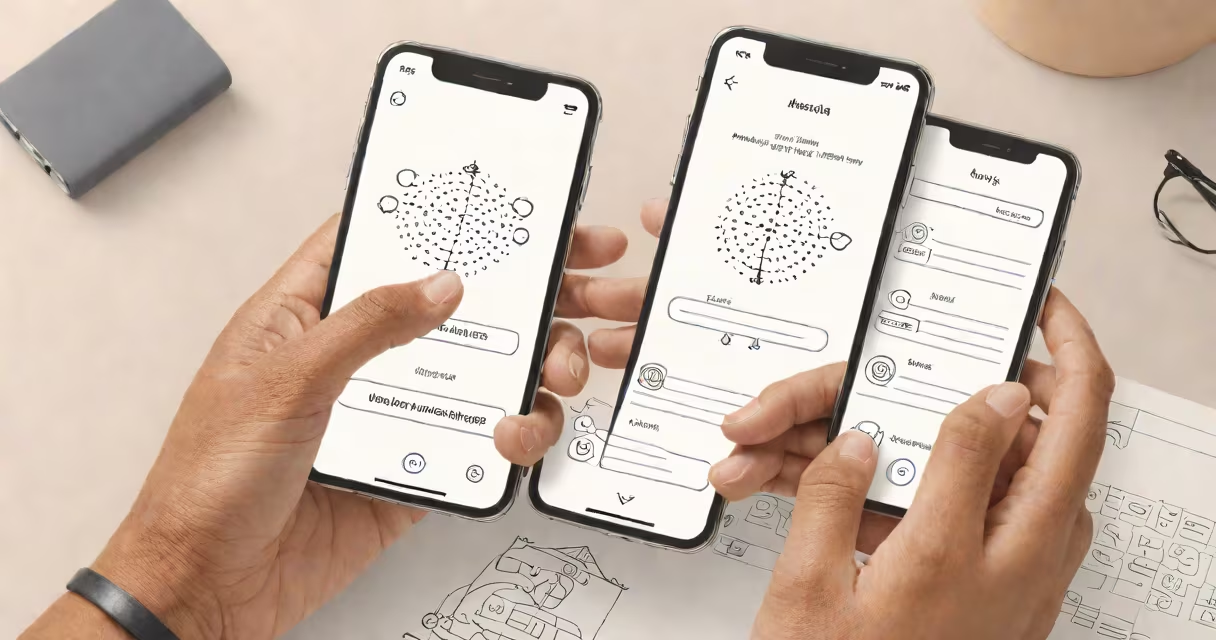
Beginner meditation apps are mobile applications designed to introduce mindfulness and relaxation techniques through short, guided sessions, structured routines, and accessible audio instruction. They typically offer curated content for stress reduction, sleep improvement, and emotional regulation, tailored to users with little or no prior meditation experience.
These apps function by delivering step-by-step audio guidance through a smartphone or tablet. A session might begin with instructions to focus on breath, then gently redirect attention when the mind wanders. The structure prevents overwhelm by limiting duration-most beginner sessions last between 3 and 10 minutes-and using consistent cues like soft chimes or ambient sounds to mark transitions.
Popular platforms such as Headspace, Calm, and Insight Timer provide onboarding sequences that explain core concepts like non-judgmental awareness and present-moment focus. These apps often include progress tracking, reminders, and themed programs-such as "Meditation for Sleep" or "Stress Relief Week"-to build habit consistency. According to the National Institutes of Health, regular mindfulness practice reduces cortisol levels by up to 20% over eight weeks, validating the physiological impact of consistent use.
How beginner meditation apps work
Each session begins with a prompt-usually spoken-to settle into a comfortable position and close the eyes. The guide then leads through a sequence: grounding in the body, focusing on breath, observing thoughts without reaction, and concluding with a gentle return to awareness. This process mirrors techniques used in clinical mindfulness-based stress reduction (MBSR) programs, adapted for daily life.
Apps maintain engagement through design choices. For example, Headspace uses animated characters to narrate lessons, reducing cognitive load for new users. Calm features nature soundscapes-rain, ocean waves, forest birds-paired with voiceovers that emphasize calmness and continuity. These sensory elements aren't decorative; research from the University of Sussex shows that natural sounds reduce activity in the brain's default mode network, lowering rumination and mental fatigue.
Behind the scenes, apps rely on algorithms to personalize content. After a few days of use, many recommend sessions based on mood logs, time of day, or previous session length. A user who consistently practices at night may receive more sleep-focused meditations. This feedback loop supports long-term adherence, a key factor in effectiveness. A 2022 study published in *JMIR Mental Health* found that users who engaged with personalized content for four weeks reported a 35% increase in perceived calm compared to those using static playlists.
Types and features of beginner meditation apps
Not all beginner apps are equal. They differ in content structure, pricing models, and support for diverse learning styles. The table below compares five widely used options based on accessibility, session length, and unique features.
| App | Free Access | Average Session Length | Unique Feature |
|---|---|---|---|
| Insight Timer | Yes (10,000+ free tracks) | 5-15 min | Community-led live meditations and user-created playlists |
| Headspace | Yes (10-day basics course) | 3-10 min | Animated storytelling format for foundational concepts |
| Calm | Yes (7-day trial, limited free content) | 7-10 min | "Sleep Stories" narrated by celebrity voices |
| Smiling Mind | Yes (fully free, nonprofit model) | 5-10 min | Programs developed with Australian psychologists and educators |
| Simple Habit | Yes (limited free access) | 5-15 min | Themed sessions for specific life situations (e.g., "before a job interview") |
Some apps prioritize simplicity over complexity. Smiling Mind, for instance, avoids flashy animations and instead uses clear, direct language. Its "Mindful Moments" series includes exercises for children and teens, making it suitable for family use. Insight Timer stands out for offering uncurated content-users can search for a 12-minute walking meditation or a 20-minute body scan from a global community of contributors. This openness fosters exploration but requires discernment to avoid low-quality recordings.
One common misconception is that longer sessions are better. In reality, beginners benefit most from brevity. A 2021 study in *Mindfulness* journal showed that participants who practiced 5-minute sessions daily for two weeks demonstrated greater improvements in attention span than those doing 20-minute sessions twice weekly. Consistency outweighs duration in early stages.
Common mistakes and misconceptions
Many users assume meditation requires clearing the mind completely. This is incorrect. The goal is not thought suppression but noticing thoughts without reacting. Beginner meditation apps teach this distinction explicitly. For example, Headspace's "Noticing Thoughts" lesson explains that distractions are normal and part of the process-not failure.
Another error is expecting immediate results. While some users report reduced anxiety after one session, sustained benefits emerge over time. The American Psychological Association notes that measurable changes in emotional regulation typically appear after 4-6 weeks of consistent practice. Apps that set unrealistic expectations-like promising "instant peace"-can lead to frustration and abandonment.
I once tried a free app that promised "calm in 3 minutes." The session began with a 30-second countdown, then a voice saying, "Now imagine your mind is a still lake." I sat still, waited, and felt nothing. The next day, I tried a different app with a 5-minute breath focus exercise. I noticed my breathing slowed, my shoulders dropped. That was the first real shift. The difference wasn't in the app-it was in the structure. The second one had a clear anchor point: the breath. That's what beginner apps do well-they give you something tangible to return to.
Why beginner meditation apps are effective
These apps succeed because they remove barriers to entry. They don't require a quiet room, special equipment, or years of training. All you need is a device and a few minutes. The presence of a human voice-calm, steady, paced-acts as a cognitive anchor, helping the brain disengage from habitual thinking patterns.
They also integrate behavioral science. Apps use streaks, badges, and daily reminders to reinforce habits. A 2020 review in *Nature Human Behaviour* found that habit-tracking features increased retention rates by 42% compared to non-tracking versions. This isn't about gamification-it's about using small rewards to sustain motivation during the initial learning curve.
For people with high-stress jobs or irregular schedules, apps offer flexibility. A nurse working night shifts might meditate during a 10-minute break. A student studying for finals might use a 7-minute session before bed. The portability and adaptability make beginner meditation apps practical tools, not just wellness fads.
When choosing a beginner meditation app, look for one with a clear onboarding path, short sessions under 10 minutes, and content focused on fundamentals like breath awareness and body scanning. Avoid apps that market "instant enlightenment" or demand long daily commitments. Start with five minutes a day, three times a week. Track your mood before and after. You'll notice subtle shifts-better sleep, less reactivity, improved focus.
Beginner meditation apps are not replacements for therapy or medical treatment. But for those seeking accessible, evidence-based tools to manage stress and build mental resilience, they provide a proven starting point. With consistent use, even brief daily sessions can rewire neural pathways associated with attention and emotional regulation.