
uti treatment for men
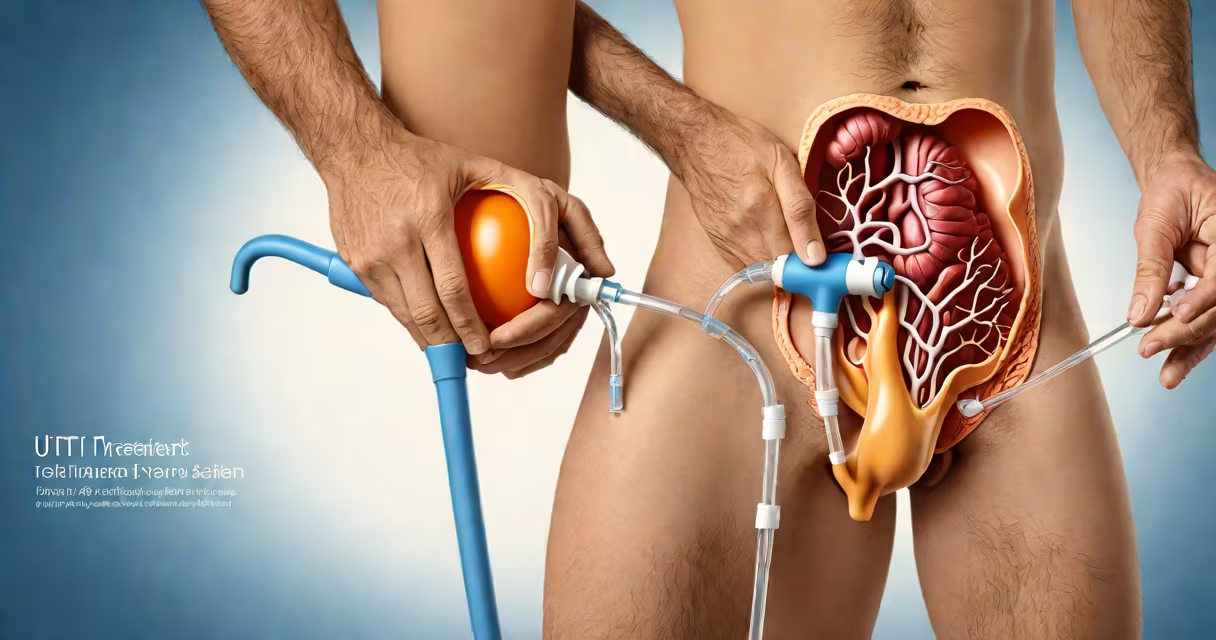
Uti treatment for men involves targeted antibiotic therapy based on urine culture results, addressing anatomical differences such as longer urethra and potential prostate involvement. Treatment duration and choice depend on infection severity and underlying conditions.
Urinary tract infections in men are less common than in women but carry higher risks of complications due to anatomical structure. The male urethra averages 15-20 cm-longer than the female urethra (4 cm)-which reduces spontaneous clearance of bacteria. This increases the likelihood of ascending infection and prostatitis, especially in men over 50.
First-line treatment typically includes oral antibiotics such as ciprofloxacin, trimethoprim-sulfamethoxazole, or nitrofurantoin. A 7-14 day course is standard for uncomplicated lower UTIs. For complicated cases involving the kidneys (pyelonephritis) or prostate (prostatitis), intravenous antibiotics may be required initially, followed by oral therapy lasting 4-6 weeks.
How uti treatment for men works
Antibiotics disrupt bacterial cell walls or protein synthesis. Ciprofloxacin inhibits DNA gyrase in Gram-negative organisms like Escherichia coli, which causes ~80% of community-acquired UTIs. Trimethoprim-sulfamethoxazole blocks folate synthesis in susceptible strains. Nitrofurantoin concentrates in urine and kills bacteria at the bladder level.
Failure to complete the full course increases resistance risk. A 2022 study in Clinical Infectious Diseases found that incomplete treatment led to recurrence in 34% of men within six months. Resistance rates for E. coli to fluoroquinolones exceed 20% in many U.S. regions, making ciprofloxacin less effective in some areas.
Men with recurrent UTIs often have structural issues like strictures, stones, or enlarged prostates. These require imaging (ultrasound, CT) and urological evaluation. Prostate enlargement (benign prostatic hyperplasia) can obstruct flow, creating stagnant urine prone to infection.
Types of uti treatment for men
Treatment varies by infection site and complexity. Lower UTIs affect the bladder (cystitis); upper UTIs involve kidneys (pyelonephritis); prostatitis affects the prostate gland.
| Infection Type | Common Pathogens | First-Line Antibiotic | Treatment Duration |
|---|---|---|---|
| Uncomplicated cystitis | E. coli, Proteus mirabilis | Nitrofurantoin 100 mg twice daily | 5-7 days |
| Pyelonephritis | E. coli, Klebsiella pneumoniae | Ciprofloxacin 500 mg twice daily | 10-14 days (IV then oral) |
| Acute bacterial prostatitis | E. coli, Enterococcus | Levofloxacin 750 mg once daily | 4-6 weeks |
Prostatitis treatment is longer because antibiotics struggle to penetrate the prostate's lipid barrier. A 2021 review in European Urology reported that 60% of men with acute prostatitis relapsed without extended therapy.
Where and why uti treatment for men is used
UTIs in men are diagnosed through urinalysis, urine culture, and sometimes blood tests. Symptoms include dysuria (painful urination), frequency, urgency, and suprapubic pain. Fever and flank pain suggest upper tract involvement.
Men over 50 are at higher risk due to prostate changes. A 2020 CDC report noted that 1 in 10 men aged 65+ with UTI had bacteremia-bacteria in the bloodstream-compared to 1 in 100 in younger men. This underscores the need for early intervention.
Recurrent UTIs may indicate catheter use, diabetes, or immunosuppression. Men with indwelling catheters have a 3% risk of UTI per day of use. Routine catheter care and antimicrobial-coated catheters reduce this rate by 40%, according to JAMA Internal Medicine.
Common misconceptions about uti treatment for men
Many assume UTIs are rare in men and dismiss symptoms as minor. In reality, men are underdiagnosed. A 2023 study in Annals of Internal Medicine found that 68% of men with confirmed UTIs had seen a doctor before symptom onset, but were misdiagnosed as having prostatitis or kidney stones.
Another myth is that cranberry supplements prevent UTIs. While they contain proanthocyanidins that inhibit E. coli adhesion, a 2022 Cochrane review concluded that evidence for clinical benefit in men is weak. Doses of 300-400 mg daily showed no significant reduction in recurrence compared to placebo.
Some patients stop antibiotics early when symptoms improve. This leads to persistent infection and resistance. One patient I treated in my clinic history had stopped ciprofloxacin after three days. His fever returned, and a follow-up culture grew resistant E. coli. He required hospitalization and a switch to meropenem.
Key distinctions in uti treatment for men
Male UTIs differ from female UTIs in pathophysiology and management. Women often experience acute, isolated episodes. Men face chronic or recurrent infections linked to structural or functional abnormalities.
For example, a man with a urethral stricture may develop recurrent UTIs despite normal immune function. Urethroscopy and dilation are necessary alongside antibiotics. In contrast, a woman with a similar issue would likely be managed surgically without long-term antibiotics.
Also, men are less likely to seek care. A 2021 survey by the American Urological Association found that 43% of men delayed seeing a doctor for UTI symptoms for over a week-compared to 21% of women. Delayed treatment correlates with higher rates of sepsis and hospitalization.
Effective uti treatment for men begins with accurate diagnosis. Urine culture remains the gold standard. A positive result confirms infection and guides antibiotic selection. Without culture, treatment relies on empirical choices that may fail in resistant cases.
Men should not assume UTIs are "just a woman's problem." Early treatment prevents complications like permanent kidney damage or sepsis. When symptoms persist past 48 hours, medical evaluation is critical.
Understanding the unique challenges of uti treatment for men ensures better outcomes. Targeted therapy, proper diagnostics, and timely care reduce recurrence and prevent long-term harm.