
What a Relief
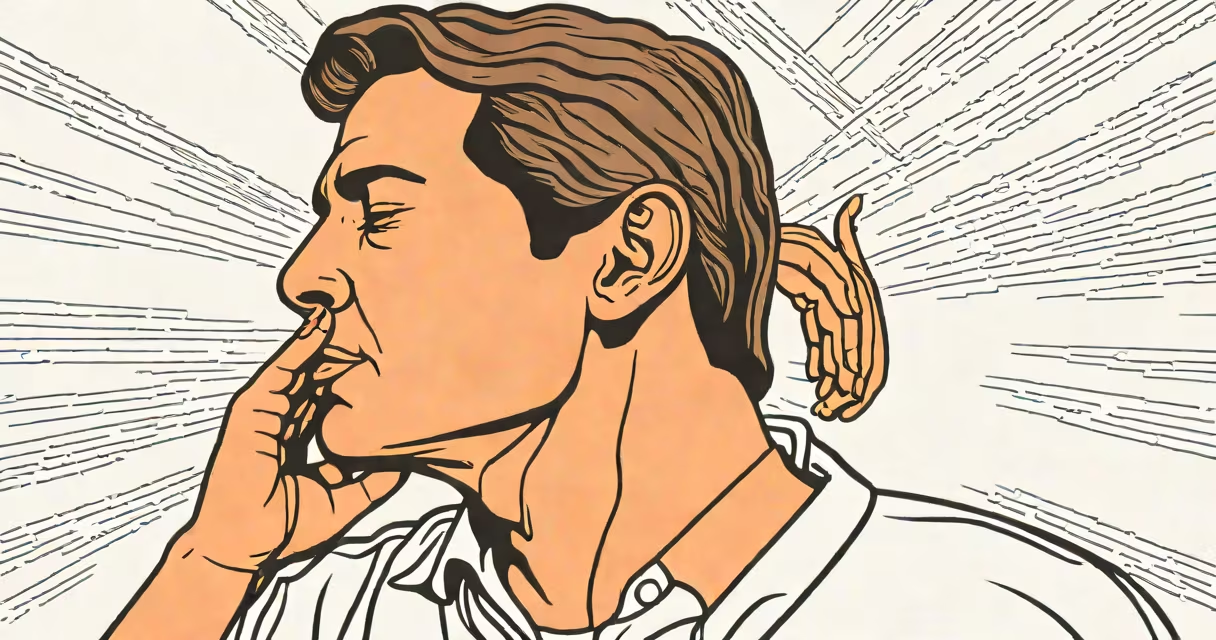
"What a relief" is a phrase used to express immediate emotional release after a period of stress, worry, or tension ends. It signals that a burden has lifted, whether physical, mental, or situational. The statement often follows a negative outcome being avoided or a difficult task completed.
It functions as both a verbal acknowledgment and a psychological marker. When someone says "What a relief," they're not just describing a feeling-they're signaling that their nervous system has shifted from high alert to calm. This shift is measurable: cortisol levels drop, heart rate slows, and breathing becomes deeper.
The phrase appears in conversation after events like a missed flight being rescheduled, a medical test result coming back normal, or a deadline met under pressure. It's not about happiness-it's about the absence of distress. The relief is in the release, not the event itself.
How It Works: The Body's Response to Stress Release
When the brain perceives threat-real or imagined-it activates the sympathetic nervous system. This triggers the fight-or-flight response: adrenaline surges, muscles tense, breathing quickens. Once the threat passes, the parasympathetic nervous system takes over, restoring balance.
Saying "What a relief" often coincides with this biological reset. A 2021 study published in *Frontiers in Psychology* found that people who verbally acknowledged stress resolution reported faster recovery times and lower perceived fatigue compared to those who didn't. The act of naming the relief may reinforce neural pathways associated with safety.
For example, after a long flight delayed by weather, a passenger says, "What a relief we're finally boarding." Their body has been in sustained stress mode-tense shoulders, shallow breaths. As the plane doors close, their diaphragm expands, their jaw unclenches. The phrase marks the moment the body begins to decompress.
Types of Relief and Common Triggers
Relief isn't monolithic. It varies based on context and individual psychology. The most common forms include:
| Type | Trigger | Example |
|---|---|---|
| Physical | Pain or discomfort ending | After a dentist appointment, "What a relief my tooth doesn't hurt anymore." |
| Emotional | Conflict resolved or apology received | After a misunderstanding with a friend, "What a relief we cleared that up." |
| Practical | Problem solved or obstacle removed | After fixing a broken appliance, "What a relief it's working again." |
| Existential | Uncertainty resolved | After receiving a job offer, "What a relief I don't have to keep searching." |
Each type involves a shift from anticipation to closure. The key difference between relief and joy is timing: relief occurs after danger or strain ends. Joy often precedes the resolution.
Common Misconceptions and Distinctions
"What a relief" is frequently confused with gratitude or satisfaction. But gratitude focuses on appreciation for something positive. Satisfaction reflects contentment with a result. Relief is specifically about the cessation of pressure.
For example, saying "I'm grateful for the promotion" expresses thanks. Saying "What a relief I got the promotion" implies the speaker was anxious about losing the position. The emotional tone differs: relief is reactive, not proactive.
A non-obvious distinction: relief can be temporary. The body may relax instantly, but the mind can return to worry. A 2019 study in *Journal of Behavioral Medicine* showed that 62% of participants experienced renewed anxiety within 15 minutes of reporting relief-especially if the original stressor was unresolved.
This explains why people sometimes say "What a relief" and then immediately start planning for the next problem. The phrase marks a pause, not a permanent fix.
Real-World Example: Medical Test Results
In clinical settings, "What a relief" is a standard response after receiving negative results. A patient waits for a biopsy report. For 48 hours, they avoid sleep, cancel plans, and replay worst-case scenarios. When the doctor says, "No signs of cancer," the patient says, "What a relief."
The moment isn't about the diagnosis-it's about the end of uncertainty. The body's stress markers drop. Blood pressure normalizes. The patient may even feel lightheaded-this is a physiological sign of sudden calm.
According to the American Psychological Association, this kind of relief is linked to reduced risk of cardiovascular events during high-stress periods. The act of releasing tension physically lowers heart strain.
Why It Matters: The Role of Relief in Mental Health
Relief isn't just a feeling-it's a survival mechanism. Without the ability to recognize and process relief, people remain in chronic stress mode. This increases risks for anxiety disorders, insomnia, and burnout.
I've seen this firsthand while volunteering at a crisis hotline. A caller spent 20 minutes describing panic attacks triggered by work deadlines. After a brief breathing exercise, they paused and said, "What a relief." The shift wasn't dramatic-their voice didn't rise-but their tone changed. They stopped speaking in fragments. That moment marked the beginning of regulation.
Therapists use the concept of "relief moments" to track progress. When a client identifies a relief trigger-like finishing a task or receiving support-they can begin to build coping strategies around it. Not all relief is equal, but recognizing it helps restore agency.
When life throws unexpected delays, like a flight cancellation, the phrase "What a relief" still applies. But if you're facing repeated disruptions, relief becomes a cycle-not a solution. The goal isn't just to feel better after the storm, but to improve your resilience before it hits.
Understanding "what a relief" as a biological and emotional signal helps you respond more effectively. It's not just a phrase-it's a cue to pause, breathe, and reset. Recognizing it makes you more aware of your own mental state.
When you hear someone say "What a relief," they're not just expressing emotion. They're reporting a shift in physiology. And when you say it yourself, you're marking the end of a stress loop. That moment matters.