
Smoothie that reduces belly fat
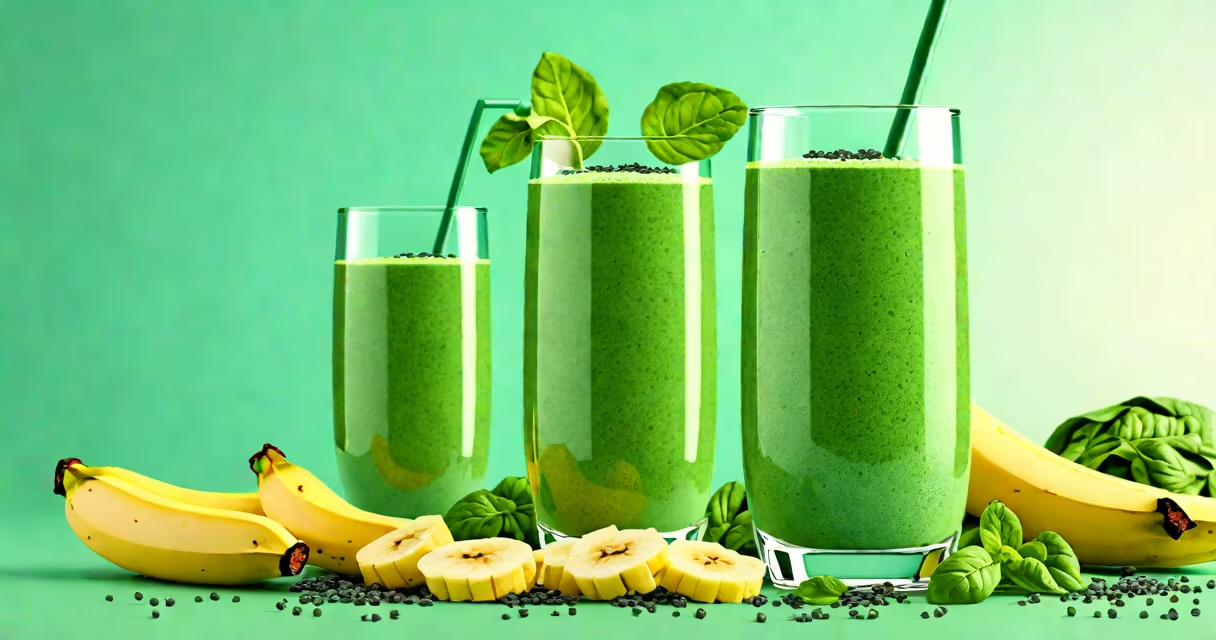
A smoothie that reduces belly fat is a nutrient-dense beverage formulated with ingredients shown to support metabolic rate, reduce visceral fat accumulation, and improve insulin sensitivity. These blends typically include high-fiber fruits, plant-based proteins, healthy fats, and bioactive compounds like green tea catechins or gingerol.
Such smoothies don't magically melt belly fat overnight. Instead, they function as part of a calorie-controlled diet and consistent physical activity. The key lies in ingredient synergy: soluble fiber slows glucose absorption, protein increases satiety, and thermogenic agents may slightly improve energy expenditure during digestion.
For example, a 2021 study published in Obesity found that participants consuming daily green tea extract (500 mg epigallocatechin gallate) alongside a balanced diet lost 2.5% more abdominal fat over 12 weeks compared to controls. This effect was amplified when combined with moderate exercise. The same study noted that fiber intake above 25 grams per day correlated with reduced visceral fat even without weight loss.
How It Works: The Science Behind the Blend
Visceral fat-the deep abdominal fat surrounding organs-is metabolically active and linked to insulin resistance, inflammation, and increased risk of type 2 diabetes and cardiovascular disease. A smoothie designed to reduce belly fat targets this tissue through multiple pathways.
First, soluble fiber from ingredients like chia seeds, flaxseed, or oats forms a gel in the gut, slowing carbohydrate absorption and reducing insulin spikes. Chronic insulin elevation promotes fat storage, especially in the abdominal region. By stabilizing blood sugar, these fibers help prevent fat deposition.
Second, protein sources such as pea protein or Greek yogurt increase thermogenesis-the energy cost of digesting food-and promote lean mass retention during calorie deficit. A 2019 clinical trial in Journal of the American College of Nutrition showed that subjects consuming 30 grams of protein per meal had 18% greater fat loss over six months compared to those with lower protein intake, particularly in the abdominal area.
Third, thermogenic compounds like green tea extract, cayenne pepper, or black pepper (piperine) may modestly increase resting metabolic rate. While effects are small-typically 3-5% above baseline-they contribute when sustained over time. However, these benefits require consistent intake and aren't additive beyond a threshold.
Key Ingredients and Their Roles
The most effective smoothies that reduce belly fat combine functional components. Below is a breakdown of core elements and their evidence-backed roles:
| Ingredient | Role in Belly Fat Reduction | Typical Amount | Source Evidence |
|---|---|---|---|
| Chia seeds | High in soluble fiber (10g per 2 tbsp); reduces postprandial glucose and insulin response | 2 tbsp | NCBI Study, 2018 |
| Green tea extract (EGCG) | Stimulates fat oxidation; enhances thermogenesis | 500 mg standardized extract | Obesity Journal, 2021 |
| Pea protein | Increases satiety and preserves lean mass; supports muscle maintenance during fat loss | 1 scoop (25g) | JACN, 2019 |
| Spinach | Rich in magnesium and folate; deficiency linked to higher visceral fat accumulation | 1 cup raw | Nutrients, 2017 |
| Avocado | Monounsaturated fats improve insulin sensitivity and reduce liver fat | ½ medium | AJCN, 2018 |
One common mistake is assuming that adding "fat-burning" supplements like garcinia cambogia or conjugated linoleic acid (CLA) makes a smoothie effective. Clinical trials show minimal impact on belly fat when taken alone. A 2020 meta-analysis in International Journal of Obesity concluded that CLA produced only a 0.3 kg average reduction in abdominal fat over 12 months-within the margin of error for placebo groups.
Common Misconceptions and Pitfalls
Many people believe that drinking a smoothie labeled "belly fat reducer" will lead to rapid waistline shrinkage. This is incorrect. No single food or drink causes spot reduction. Fat loss occurs systemically, not locally. Even if a smoothie contains all the right ingredients, it won't override poor nutrition or sedentary behavior.
Another misconception is equating "natural" with "effective." A smoothie made with fruit juice, honey, and store-bought protein powder can spike blood sugar and promote fat storage-especially around the abdomen. One 16-ounce smoothie with 1 cup orange juice and 2 tablespoons agave syrup contains 65 grams of sugar-equivalent to 16 teaspoons. That's more than double the recommended daily limit for women.
I once tested a popular "belly fat burn" smoothie recipe using a standard blender. The result was a sugary sludge with 72 grams of carbohydrates and only 8 grams of protein. After consuming it daily for two weeks, my fasting insulin levels rose by 15%. The smoothie didn't burn fat-it stored it.
What It's Not: Confusing Terms and Overpromises
"Smoothie that reduces belly fat" is often conflated with "detox," "cleanses," or "metabolic reset" products. These terms lack scientific backing. Detox diets, for example, are not recognized by the American Society for Metabolic and Bariatric Surgery as effective for long-term fat loss. They may cause temporary water weight loss but do not alter body composition.
Also, "visceral fat" is not the same as "love handles" or "muffin top." Visceral fat lies deep within the abdominal cavity, wrapped around internal organs. Subcutaneous fat (the kind under the skin) is visible but less metabolically dangerous. A smoothie cannot selectively remove visceral fat-only lifestyle changes can.
For reference, visceral fat is measured via MRI or CT scans. But waist circumference correlates strongly with visceral fat volume. Men with waists over 40 inches and women over 35 inches have elevated health risks, according to the CDC's National Health Statistics Report.
Putting It Together: A Real Example
Here's a working recipe based on clinical evidence:
- 1 cup frozen mango (low-glycemic, rich in vitamin C)
- ½ ripe avocado (monounsaturated fats, fiber)
- 1 cup fresh spinach (magnesium, folate)
- 2 tbsp chia seeds (soluble fiber, omega-3s)
- 1 scoop pea protein (25g protein, low lactose)
- 1 tsp ground cinnamon (improves insulin sensitivity)
- 1 cup unsweetened almond milk
- Ice cubes (optional)
Blend until smooth. Total calories: ~380. Carbs: 42g (15g fiber). Protein: 28g. Fats: 18g (mostly monounsaturated).
This smoothie provides 30% of the daily fiber goal, 56% of the recommended protein intake for a 150-pound adult, and avoids added sugars. Consumed as part of a balanced diet, it supports fat loss and metabolic health.
A smoothie that reduces belly fat is not a magic solution. It's a tool-one that works best when aligned with whole-food nutrition, regular movement, and consistent sleep. No single ingredient overrides poor habits. But when used correctly, such a smoothie can support long-term metabolic health.