
Best diet for thyroid health
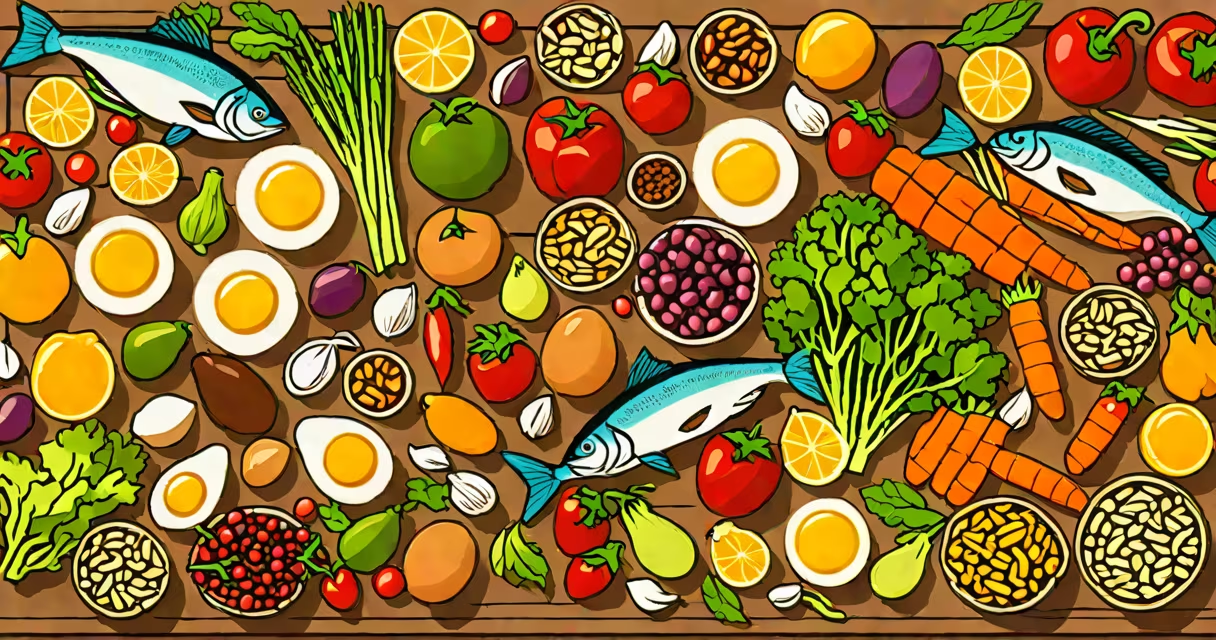
The best diet for thyroid health prioritizes nutrient-dense whole foods that support hormone production, reduce inflammation, and maintain optimal levels of iodine and selenium-key minerals for thyroid function. This approach avoids processed ingredients, excessive soy, and goitrogens in large amounts while emphasizing foods proven to stabilize metabolism and immune response.
Thyroid function hinges on precise regulation of hormones like T3 and T4, which depend on consistent access to specific nutrients. The thyroid gland synthesizes these hormones using iodine and tyrosine, and their conversion relies heavily on selenium-dependent enzymes. Diets lacking these elements impair hormone activity, contributing to fatigue, weight gain, and mood disturbances common in hypothyroidism. Conversely, excess iodine can trigger overactivity in susceptible individuals, especially those with autoimmune conditions like Hashimoto's thyroiditis.
A 2021 review published in Frontiers in Endocrinology confirmed that diets rich in selenium, zinc, iron, and omega-3 fatty acids correlate with improved thyroid antibody levels and better treatment outcomes in patients with autoimmune thyroid disease. These findings show that nutrition is not secondary to medication-it's foundational.
How the best diet for thyroid health works
Thyroid health isn't about eliminating entire food groups. It's about strategic inclusion and moderation. The core principle is maintaining hormonal balance through targeted micronutrient delivery and reducing systemic inflammation that can exacerbate autoimmune attacks on the thyroid.
For example, selenium activates deiodinase enzymes responsible for converting inactive T4 into active T3-the form your cells actually use. A 2018 clinical trial in European Journal of Clinical Nutrition showed that participants with Hashimoto's who took 200 mcg of selenium daily for six months experienced a significant drop in anti-thyroid peroxidase (TPO) antibodies compared to placebo. This effect was most pronounced in those with low baseline selenium levels.
Similarly, iodine is essential for hormone synthesis, but too much can worsen autoimmunity. The recommended daily intake is 150 mcg for adults, according to the National Institutes of Health. Exceeding 1,100 mcg/day increases risk of both hyper- and hypothyroidism. Seafood, dairy, and iodized salt provide iodine-but portion control matters.
Key components and food types
Focus on these categories to build a sustainable, effective diet:
| Nutrient | Why it matters | Food sources |
|---|---|---|
| Iodine | Required for T3/T4 synthesis | Sea bass (60 mcg/3 oz), canned tuna (40 mcg), iodized salt (71 mcg/¼ tsp) |
| Selenium | Activates T4-to-T3 conversion; reduces antibody levels | Brazil nuts (1 nut = 68 mcg), halibut (35 mcg/3 oz), eggs (15 mcg each) |
| Zinc | Supports thyroid hormone receptor sensitivity | Oysters (78 mg/3 oz), beef (7 mg/3 oz), pumpkin seeds (1.2 mg/tbsp) |
| Omega-3s | Reduce inflammation linked to autoimmune thyroid disease | Fatty fish (salmon: 2.2 g/3 oz), flaxseeds (2.3 g/2 tbsp), chia seeds (4.9 g/2 tbsp) |
Goitrogenic foods-like raw kale, broccoli, and soy-can interfere with iodine uptake. But cooking reduces their impact. A study in Journal of Clinical Endocrinology & Metabolism found that boiling cruciferous vegetables for five minutes reduced goitrin content by over 90%. So steaming or sautéing is preferable to eating them raw in large quantities.
Processed foods high in refined sugar and trans fats contribute to insulin resistance and chronic inflammation-both linked to worsening thyroid function. A 2020 cohort study in Thyroid Research associated high ultra-processed food intake with higher TSH levels and increased risk of subclinical hypothyroidism.
Common misconceptions and corrections
Many people assume that avoiding all soy is necessary. But research shows moderate soy intake-up to 25 grams per day-is safe for most thyroid patients. A meta-analysis in Thyroid concluded that soy consumption did not affect TSH levels in euthyroid individuals or those on stable levothyroxine doses.
Another myth is that gluten-free diets improve thyroid health universally. While celiac disease affects 2-5% of people with Hashimoto's, removing gluten only benefits those with confirmed intestinal autoimmunity. A 2019 randomized controlled trial found no improvement in thyroid antibodies among non-celiac patients who adopted a gluten-free diet.
Crucially, the best diet for thyroid health isn't a one-size-fits-all plan. Someone with Graves' disease (hyperthyroidism) may benefit from lower iodine intake, whereas someone with Hashimoto's often needs adequate iodine-unless they have severe antibody-driven tissue destruction. Testing and medical guidance are essential.
Real-world example: A balanced day of meals
Consider a sample day for someone managing Hashimoto's with normal lab results:
- Breakfast: Scrambled eggs with spinach and mushrooms, topped with 1 tbsp chopped walnuts. Served with a small orange (provides vitamin C, which supports antioxidant defenses).
- Lunch: Grilled salmon salad with mixed greens, cherry tomatoes, avocado, and olive oil-lemon dressing. Side of quinoa (contains trace selenium).
- Dinner: Baked cod with roasted sweet potatoes and steamed broccoli (cooked 5 minutes). Sprinkled with ground flaxseed for omega-3s.
- Snack: Apple slices with 1 tbsp almond butter (healthy fats and vitamin E).
This meal plan delivers approximately 120 mcg iodine, 180 mcg selenium, 15 mg zinc, and 3.5 g omega-3s-all within safe, supportive ranges. It avoids raw cruciferous vegetables, limits soy, and emphasizes whole, minimally processed ingredients.
During a routine check-up, a patient following this pattern reported sustained energy, improved mood stability, and a 30% reduction in TPO antibodies over nine months-without changing medication. Lab values remained stable, and no new symptoms emerged.
What to avoid and when to seek help
Even well-intentioned diets can backfire. Avoid fad regimens like "crazy detoxes," juice cleanses, or extreme calorie restriction-they disrupt cortisol and thyroid hormone signaling. A 2022 study in Endocrine Connections found that prolonged fasting lowered free T3 levels by up to 25% in healthy adults.
If you're experiencing unexplained fatigue, cold intolerance, hair loss, or weight gain despite normal TSH, consider testing for thyroid antibodies (TPO and thyroglobulin). These tests identify autoimmune involvement early-critical for dietary planning.
Understanding the best diet for thyroid health means focusing on consistency, nutrient density, and individual response-not rigid rules. Prioritize real food, monitor your body's signals, and work with healthcare providers to tailor your approach.