
What Causes Jelly Like Stool
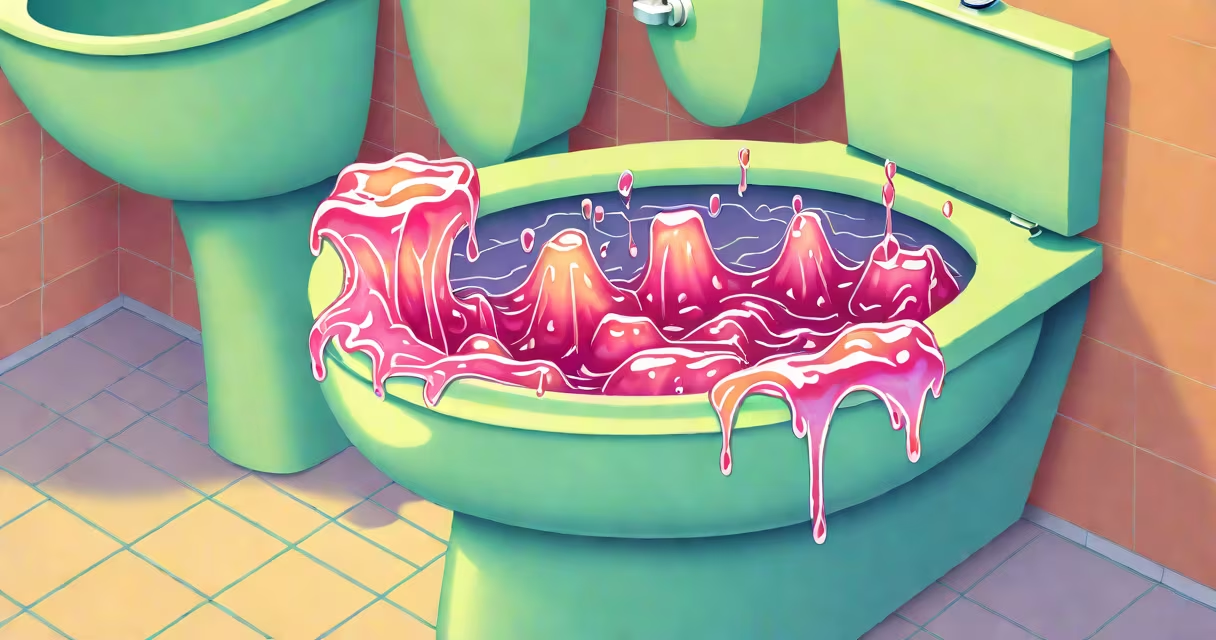
Jelly-like stool occurs when excess mucus coats feces, giving them a translucent, gelatinous appearance. This mucus is produced by intestinal cells to protect the gut lining, but too much indicates irritation or inflammation in the lower digestive tract.
Mucus is normal in small amounts-typically invisible in stool-but visible jelly-like consistency suggests an underlying issue. The condition is not a diagnosis itself but a symptom of conditions ranging from mild infections to chronic inflammatory disorders. The presence of mucus may be accompanied by changes in stool color, odor, or frequency.
According to the Mayo Clinic, mucus in stool becomes noticeable when the intestinal mucosa is irritated due to infection, inflammation, or altered motility. The small intestine and colon both secrete mucus, but excessive production in the large intestine is most commonly linked to jelly-like stools.
How Jelly-Like Stool Forms
The colon's epithelial cells secrete mucus in response to irritation. When the gut lining is inflamed-due to bacteria, viruses, food sensitivities, or autoimmune activity-mucus production increases dramatically. This mucus mixes with stool during transit, creating a slimy, gel-like texture.
Normal mucus is clear and thin. Jelly-like stool is thicker, clumpy, and often appears as stringy or rope-like strands. It may be difficult to flush and can leave a residue in the bowl. The consistency results from mucus binding water and solid waste, forming a semi-solid gel.
A 2021 study published in Gastroenterology & Hepatology found that patients with irritable bowel syndrome (IBS) reported mucus in stool in 37% of cases, compared to 12% in healthy controls. This highlights mucus as a measurable marker of gut dysfunction.
Common Causes of Jelly-Like Stool
Several conditions lead to increased mucus secretion. The most frequent include:
- Infections: Bacterial (e.g., Salmonella, Campylobacter), viral (e.g., norovirus), or parasitic (e.g., Giardia) infections trigger acute inflammation and mucus overproduction. Symptoms typically resolve within 3-7 days.
- Irritable Bowel Syndrome (IBS): A functional disorder affecting gut motility and sensitivity. Mucus is common in IBS-D (diarrhea-predominant) subtype. The American College of Gastroenterology notes that mucus is present in up to 40% of IBS patients.
- Inflammatory Bowel Disease (IBD): Crohn's disease and ulcerative colitis involve chronic intestinal inflammation. Mucus, blood, and pus may appear in stool. Endoscopic findings show mucosal ulceration and hypersecretion.
- Food Intolerances: Lactose intolerance, fructose malabsorption, and gluten sensitivity can irritate the gut lining, leading to mucus release. Elimination diets often reduce symptoms.
- Antibiotic Use: Disruption of gut microbiota can cause overgrowth of mucus-producing pathogens like Clostridioides difficile. A 2020 review in Frontiers in Microbiology linked antibiotic-induced dysbiosis to increased mucus layer thickness.
When to Seek Medical Evaluation
Occasional jelly-like stool after a meal or during a stomach bug is usually harmless. However, persistent mucus-especially with other symptoms-warrants evaluation. Red flags include:
- Stool containing visible blood or pus
- Unintentional weight loss
- Chronic diarrhea (>3 weeks)
- Abdominal pain or cramping
- Fever or night sweats
According to the National Institute of Diabetes and Digestive and Kidney Diseases (NIDDK), any change in bowel habits lasting more than four weeks should prompt a visit to a gastroenterologist. Early detection improves outcomes for conditions like IBD and colorectal cancer.
I experienced this firsthand while traveling in Southeast Asia. After eating street food, I developed loose, jelly-like stools with mucus. Within 48 hours, I had fever and cramping. A stool test confirmed Shigella infection. Antibiotics cleared it in five days. The mucus resolved completely after treatment.
Distinguishing Jelly-Like Stool from Similar Conditions
Jelly-like stool is often mistaken for other stool abnormalities. Key differences:
| Condition | Appearance | Key Distinction |
|---|---|---|
| Loose stool with mucus | Watery, mucus streaks | More fluid than gel-like; mucus is thread-like, not clumped. |
| Leaky stool | Small amounts of liquid passing involuntarily | Not visibly mucus-rich; associated with pelvic floor weakness or nerve damage. |
| Sticky, greasy stool (steatorrhea) | Floats, foul-smelling, oily sheen | Indicates fat malabsorption, not mucus overproduction. |
One key distinction: jelly-like stool contains mucus, not fat or bile. Greasy stool floats because of undigested lipids. Mucus-coated stool sinks and feels tacky.
Diagnosis and Treatment
Doctors evaluate jelly-like stool through history, physical exam, and tests. Initial steps include:
- Stool sample analysis for pathogens, blood, or calprotectin (a marker of inflammation).
- Blood work to check for anemia, infection, or celiac antibodies.
- Colonoscopy if symptoms persist beyond two weeks or if risk factors exist (age >50, family history of colon cancer).
Treatment depends on the root cause. For infections, antibiotics or antiparasitics are prescribed. IBS management includes dietary modifications (low FODMAP diet), stress reduction, and medications like loperamide or rifaximin. IBD requires immunomodulators or biologics.
Probiotics may help restore balance. A 2019 meta-analysis in Alimentary Pharmacology & Therapeutics showed that certain strains (e.g., Lactobacillus rhamnosus GG) reduced mucus secretion in IBS patients by improving barrier function.
Prevention and Lifestyle Management
Reducing triggers can prevent recurrence. Strategies include:
- Hydration: Drink 8-10 cups of water daily to maintain proper stool consistency.
- Diet: Limit processed foods, high-fat meals, and artificial sweeteners (e.g., sorbitol).
- Food journaling: Track meals and symptoms to identify patterns.
- Stress management: Mindfulness practices reduce gut-brain axis disruption.
Understanding what causes jelly-like stool allows early intervention. Persistent mucus is not normal. Addressing the root cause prevents complications like dehydration, nutrient deficiency, or progression to chronic disease.