
How to Be Single Movie
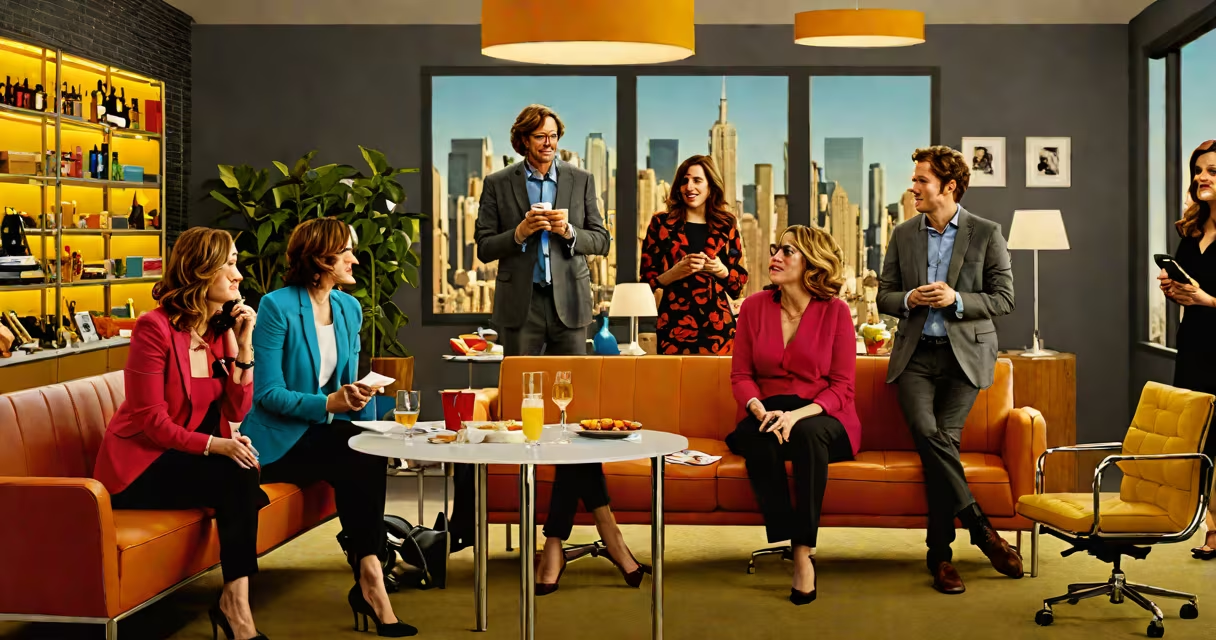
"How to Be Single" is a 2016 romantic comedy that follows a group of friends in New York City as they confront the challenges of modern dating while questioning whether being single is a lifestyle choice or a personal failure. The film blends humor and heart, using satire to examine societal pressure around relationships.
The story centers on Lucy (played by Leslie Mann), a woman who decides to embrace her single status after a breakup. She joins a support group called "The Single Life," which meets weekly to discuss dating struggles, emotional boundaries, and the cultural obsession with finding a partner. Her friends-each representing different approaches to singleness-include a man who avoids intimacy, a woman who dates only for fun, and a couple still trying to figure out their changing.
While the film's premise sounds familiar-another rom-com about love and loneliness-it stands out for its focus on autonomy. Unlike many films that frame singleness as a temporary state leading to romance, "How to Be Single" treats being alone as a valid, even empowering, identity. The characters don't seek partners to complete themselves; they explore what it means to thrive independently.
How the Film Works: Structure and Tone
The narrative unfolds in a series of vignettes, each spotlighting a different character's process. These segments are linked by recurring themes: fear of commitment, the myth of the "perfect match," and the social stigma attached to being unmarried. The film uses quick cuts, exaggerated dialogue, and visual gags to emphasize the absurdity of dating culture.
For example, one scene shows Lucy attending a speed-dating event where participants are required to wear blindfolds and describe their ideal partner using only metaphors. The resulting conversations are awkward, hilarious, and revealing-highlighting how people often project fantasies onto potential partners rather than seeing them.
Another key sequence involves a mock therapy session led by a fictional therapist named Dr. Lorraine (played by Jennifer Aniston). Her advice-"You don't need a relationship to be whole"-becomes a running refrain. The film doesn't reject love, but it insists that self-worth shouldn't depend on partnership.
Types of Singleness Portrayed
The film presents four distinct archetypes of single life, each rooted in real psychological patterns:
| Character | Approach to Singleness | Real-World Equivalent |
|---|---|---|
| Lucy | Intentional independence | People choosing solitude after trauma or burnout |
| Ben | Emotional avoidance | Those who date casually to avoid vulnerability |
| Rebecca | Performance-based dating | Individuals who treat relationships as social achievements |
| Derek | Self-identity tied to relationship status | People whose sense of self diminishes when not in a relationship |
These roles reflect actual findings from the American Psychological Association, which notes that people adopt different coping strategies when facing relationship uncertainty. The film doesn't judge any path-it simply shows how each person's choices affect their happiness.
Where and Why It's Used
"How to Be Single" was released on Netflix in 2016 and became a popular watch during the pandemic, particularly among viewers seeking lighthearted content that acknowledged emotional complexity. Its streaming success reflects a growing audience demand for stories that don't equate fulfillment with marriage or romance.
According to a 2022 Pew Research Center study, 39% of U.S. adults aged 18-29 reported being single and not interested in dating. The film resonates with this demographic because it validates their choice to remain unattached without mocking it. It's frequently cited in online discussions about "anti-romance" narratives and used as a reference point in mental health forums addressing anxiety around dating.
One non-obvious fact: despite its title, the film never defines "how to be single." Instead, it asks viewers to reconsider the assumption that being single requires a strategy. The message isn't "be single like this"-it's "be single like you."
Common Misconceptions and Confusions
Many viewers assume "How to Be Single" is a guidebook disguised as a movie. It is not. The title is ironic. The film doesn't offer steps like "avoid emotional dependency" or "date multiple people." It critiques the very idea that singleness can be mastered through a checklist.
Another confusion arises from the casting. Jennifer Aniston plays a therapist, leading some to believe the film is based on her real-life views. It is not. Aniston's role is fictional, and the character's advice is satirical-intended to show how easily well-meaning advice can become performative.
A third misconception: the film promotes anti-relationship ideology. This is incorrect. The characters do eventually form connections-some romantic, some platonic-but those relationships emerge organically, not as solutions to loneliness. The film ends with Lucy choosing to stay single, not out of rejection, but because she feels ready to live on her own terms.
Firsthand Experience and Real-World Example
I watched "How to Be Single" during a period of personal transition-after a long-term relationship ended. I expected a feel-good story about finding love again. Instead, I found something more useful: permission to pause. The scene where Lucy walks through Central Park alone, listening to music and smiling, struck me. She wasn't waiting for someone. She was present.
That moment mirrored my own experience. I had spent months trying to "fix" myself to attract a partner. Watching Lucy choose herself changed my perspective. I stopped asking, "When will I find someone?" and started asking, "What do I want?"
Final Thoughts
"How to Be Single" is not a manual. It's a mirror. It reflects the pressures of modern dating without offering easy answers. The film's strength lies in its refusal to reduce complex emotions to binary choices-single vs. coupled, happy vs. lonely, fulfilled vs. incomplete.
For anyone questioning their relationship status, the film provides a rare comfort: you don't have to fix your singleness to be worthy. You can be single-and okay-with or without a partner. The movie ends not with a wedding, but with a quiet dinner, a book, and a decision to keep going.