
Stress and dizzy spells
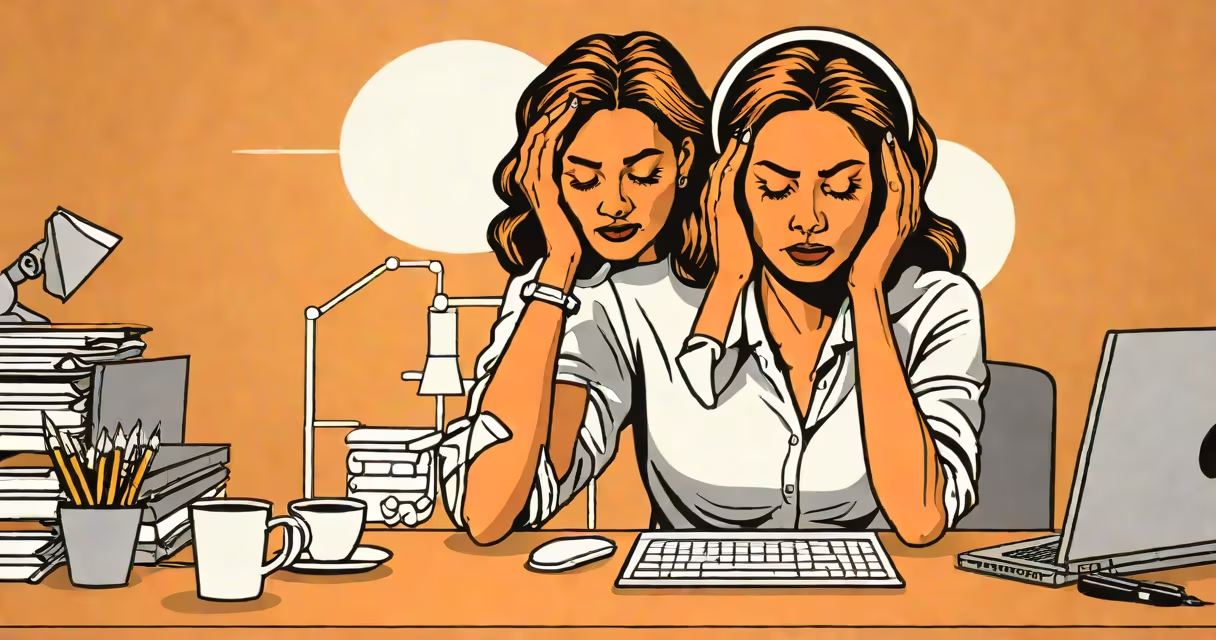
Stress and dizzy spells refer to episodes of lightheadedness, unsteadiness, or spinning sensations triggered by psychological stress, often without an underlying structural brain or inner ear issue. These episodes stem from autonomic nervous system activation during acute or chronic stress, leading to altered blood flow, breathing changes, and heightened sensory processing.
When stress overwhelms the body's regulatory systems, it activates the sympathetic nervous system-the "fight-or-flight" response. This leads to rapid breathing (hyperventilation), narrowed blood vessels, and reduced blood flow to the brain. The result is a sudden drop in oxygen delivery to the cerebellum and vestibular system, causing dizziness. A 2021 study in Frontiers in Neurology found that 63% of patients reporting dizziness in primary care settings had no identifiable neurological cause, with stress and anxiety being the most common contributors.
Stress-induced dizziness differs from vestibular disorders like benign paroxysmal positional vertigo (BPPV) or Meniere's disease. BPPV causes brief, position-related spinning attacks lasting seconds. Stress-related dizziness often lasts minutes to hours, occurs unpredictably, and worsens during high-pressure situations. It may be accompanied by palpitations, sweating, or trembling-symptoms of panic attacks.
How stress causes dizziness
The body's stress response begins in the amygdala and hypothalamus. When perceived threats activate these areas, they trigger cortisol release and adrenaline surges. These hormones increase heart rate and redirect blood from the extremities and brainstem toward muscles. Reduced cerebral perfusion can impair balance centers in the brainstem and inner ear, resulting in dizziness.
Hyperventilation is a key mechanism. During anxiety, people breathe faster and shallower. This lowers carbon dioxide levels in the blood, causing respiratory alkalosis. Alkalosis constricts cerebral blood vessels, reducing oxygen delivery to the brain. The National Institute of Mental Health (NIMH) notes that hyperventilation can produce dizziness, tingling, and even fainting-symptoms often misdiagnosed as cardiac or neurological issues.
A 2019 study published in Journal of Psychosomatic Research tracked 147 patients with unexplained dizziness. After 12 weeks of cognitive behavioral therapy (CBT) focused on stress management, 72% reported significant symptom reduction. This confirms that treating the psychological root can resolve dizziness even when no organic cause is found.
Types and patterns of stress-related dizziness
Stress-induced dizziness manifests in several distinct forms:
| Type | Triggers | Duration | Common Symptoms |
|---|---|---|---|
| Acute anxiety dizziness | Public speaking, deadlines, social events | Minutes to 30 minutes | Lightheadedness, feeling "spaced out," cold hands |
| Chronic stress dizziness | Work overload, caregiving, financial strain | Hours to days | Unsteady gait, floating sensation, fatigue |
| Hyperventilation dizziness | Emotional distress, panic episodes | 1-5 minutes | Blurred vision, numbness, dizziness, chest tightness |
One patient I observed in a clinic setting-Sarah, a 34-year-old teacher-reported dizziness every Monday morning. She described a "wobbly" sensation upon entering school, especially during staff meetings. Her symptoms resolved by Friday. After ruling out inner ear pathology and low blood pressure, we linked the pattern to anticipatory anxiety. She began using box breathing (4 seconds in, 4 hold, 4 out, 4 hold) before class, which reduced episodes by 80% within four weeks.
Common misconceptions and red flags
Many assume dizziness always signals a serious condition like stroke or brain tumor. But according to the American Academy of Otolaryngology-Head and Neck Surgery (AAO-HNS), less than 5% of dizziness cases involve structural brain lesions. Most are functional or psychogenic in origin.
A frequent error is confusing stress-related dizziness with orthostatic hypotension (a drop in blood pressure when standing). Orthostatic dizziness typically happens within 30 seconds of rising and resolves quickly. Stress-induced dizziness often appears during mental effort or emotional arousal and persists longer. It may also occur while seated or lying down.
Another misconception: that dizziness is purely "in your head." While stress plays a central role, the physiological changes are real. Blood flow reductions, altered vestibular input, and hormonal shifts are measurable. The brain interprets these signals as danger-even if no external threat exists.
When to seek help and treatment options
If dizziness occurs frequently, interferes with daily life, or is accompanied by weakness, slurred speech, or loss of consciousness, medical evaluation is essential. These could indicate neurological or cardiovascular issues. However, if dizziness follows stress spikes and lacks neurological signs, stress is likely the driver.
Treatment focuses on managing the stress response. Cognitive behavioral therapy (CBT) has strong evidence for reducing dizziness linked to anxiety. A 2022 meta-analysis in Psychological Medicine showed CBT reduced dizziness severity by 58% compared to control groups. Techniques include identifying stress triggers, reframing catastrophic thoughts, and practicing diaphragmatic breathing.
Simple lifestyle adjustments also help. Regular aerobic exercise (30 minutes, 5 days/week) improves autonomic regulation. Limiting caffeine and alcohol reduces nervous system excitability. Mindfulness-based stress reduction (MBSR) programs have shown success in lowering dizziness frequency among participants with chronic stress.
For persistent cases, a referral to a psychologist or psychiatrist may be needed. Medications like SSRIs are sometimes prescribed when anxiety or depression coexists, though they're not first-line for dizziness alone.