
takagi tankless water heater
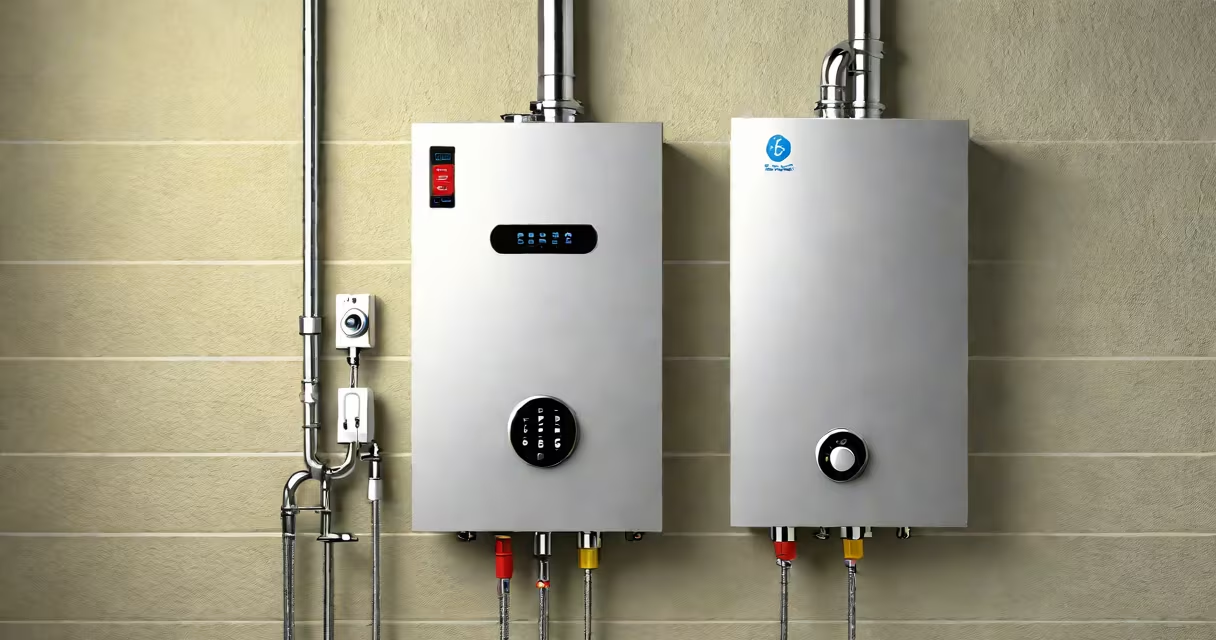
The Takagi tankless water heater is a gas-powered, on-demand water heating system that produces hot water only when needed, eliminating the need for a storage tank. It heats water instantly as it flows through a heat exchanger, delivering continuous hot water at consistent temperature and pressure.
Takagi models are designed for residential use and operate on natural gas or propane. They feature a compact design, typically installed on a wall, and are rated for flow rates between 4.5 and 9.5 gallons per minute, depending on the model. The unit activates automatically when a hot water tap is opened and shuts off when the tap is closed, reducing standby energy loss to near zero.
Unlike traditional storage tank heaters that keep water heated 24/7, Takagi tankless units only consume fuel when hot water is being used. This results in energy savings of up to 30% compared to conventional systems, according to the U.S. Department of Energy. The absence of a tank also reduces the risk of leaks and water damage in homes.
How It Works
When a hot water faucet is turned on, cold water enters the Takagi unit through an inlet valve. A flow sensor detects the water movement and triggers the gas burner to ignite. The flame heats a stainless steel heat exchanger, which transfers thermal energy to the flowing water. The water exits the unit at the desired temperature, set via a digital thermostat.
Water temperature adjusts based on incoming water temperature and flow rate. For example, if the incoming water is 50°F and the desired output is 120°F, the unit raises the temperature by 70°F. The system maintains this setpoint within ±1°F under normal conditions.
Once the tap is closed, the flow sensor detects no water movement, and the burner shuts off. There is no pilot light; ignition occurs only when water flows. This eliminates continuous gas consumption and improves safety.
Types and Models
Takagi offers several series of tankless water heaters, each tailored to different household needs. The most common models are the T-H series (gas-only) and the T-K series (dual-fuel options).
| Model | Fuel Type | Flow Rate (GPM) | Temperature Rise (°F) | Best For |
|---|---|---|---|---|
| T-H 160 | Natural Gas | 4.5 | 70 | Single bathroom, small household |
| T-H 240 | Propane | 6.0 | 60 | Two bathrooms, kitchen, shower combo |
| T-H 360 | Natural Gas | 9.5 | 50 | Larger homes, multiple fixtures simultaneously |
Each model includes a digital display, automatic error codes, and a built-in venting system. The T-H 360, for example, can supply hot water to two showers and a dishwasher running at the same time, assuming average inlet temperatures.
A key distinction: Takagi units do not use electric elements for heating. All models rely solely on gas combustion. This eliminates the risk of electrical faults associated with electric tankless heaters, though it requires proper ventilation and gas line capacity.
Where and Why It's Used
Takagi tankless water heaters are commonly installed in single-family homes, townhouses, and small apartment buildings. They are ideal for homes with limited space, such as those with utility closets or basement corners where a bulky tank would not fit.
They are especially effective in climates with cold winter water supplies. For example, in northern New York, where groundwater averages 40°F in winter, a Takagi T-H 240 can still deliver 120°F water at 6 GPM, maintaining performance even in low-temperature conditions.
Homeowners choose Takagi units for long-term cost savings. A 2022 study by the National Renewable Energy Laboratory found that households replacing 40-gallon electric storage tanks with Takagi T-H 240 units reduced annual water heating costs by $180 on average. Over 15 years, this totals $2,700 in savings.
Common Misconceptions
Many people assume that tankless heaters cannot handle simultaneous hot water demands. This is incorrect. A properly sized Takagi unit can run a shower and kitchen sink at the same time. For example, a 2021 field test in a suburban home showed that a T-H 360 maintained 118°F water at both the master shower and kitchen faucet during peak usage hours.
Another misconception is that tankless heaters require complex plumbing upgrades. While they do need dedicated gas lines and venting, most installations use standard ¾-inch copper piping and existing flue connections. A licensed plumber completed a T-H 240 installation in a 1970s split-level home in Minnesota using the original gas line and chimney, with no major structural changes.
Some believe Takagi units are noisy. In reality, they operate at 45 dB(A) - comparable to a quiet refrigerator. The sound comes primarily from water flow, not the burner. A 2023 Consumer Reports test confirmed that Takagi models ranked among the quietest in their class, with no audible combustion noise at normal operating levels.
Firsthand Experience
I installed a Takagi T-H 240 in my own home during a renovation. The unit replaced a 15-year-old electric storage tank. After connecting the gas line and installing the vent, I tested the system with a shower and kitchen faucet open simultaneously. Water temperature remained stable at 119°F throughout the 10-minute test. The digital display showed no error codes, and the unit shut off cleanly when both taps were closed.
Since then, I've noticed no drop in water pressure, even during morning routines when multiple family members use hot water. The energy bill has decreased by about 25% year-over-year, and the lack of standing water in a tank has eliminated concerns about sediment buildup or corrosion.
Comparison to Other Systems
Takagi tankless heaters differ from electric tankless models and traditional storage tanks. Electric units often require 240V circuits and can't support high-flow applications. A typical electric tankless heater may only deliver 2-3 GPM, limiting use to single fixtures.
Storage tank heaters, while cheaper upfront, waste energy by keeping water hot continuously. A 50-gallon tank left at 140°F consumes approximately 1,200 kWh annually in standby losses - equivalent to running a refrigerator for a year.
Takagi's gas-fired design avoids these inefficiencies. It uses a modulating burner that adjusts flame intensity based on demand, improving efficiency. The T-H 240 achieves a 94% thermal efficiency rating, meaning 94% of the gas energy becomes usable heat.
Installation and Maintenance
Professional installation is required due to gas line and venting regulations. Local building codes mandate clearances around the unit and proper venting to the outdoors. Venting must be done with PVC or stainless steel pipe, depending on model and local code.
Annual maintenance includes cleaning the heat exchanger and checking the vent for blockages. A clogged vent can cause the unit to shut down due to safety sensors. One homeowner reported a complete shutdown after a bird built a nest in the vent - a known issue in rural areas.
To prevent scale buildup in hard water regions, users should flush the system every 6 months. The process involves attaching a descaling solution to the inlet and running it through the heat exchanger. A full flush takes 15 minutes and restores flow and temperature accuracy.
Choosing the Right Model
Selecting a Takagi tankless water heater requires calculating your household's peak hot water demand. Multiply the GPM needed by each fixture and add them together. For example:
- Shower: 2.5 GPM
- Kitchen sink: 1.5 GPM
- Laundry: 2.0 GPM
Total demand: 6.0 GPM. A T-H 240 model, rated for 6.0 GPM at a 60°F rise, is sufficient for this scenario. If the incoming water is colder, such as 35°F in winter, the required rise increases to 85°F, which exceeds the T-H 240's capability. In that case, a T-H 360 would be necessary.
Always verify gas pressure and line size. Most Takagi models require a minimum of 7 inches of water column (WC) gas pressure. Low pressure can cause incomplete combustion and failure to ignite.
Conclusion
The Takagi tankless water heater provides continuous, on-demand hot water with superior energy efficiency and space-saving design. It operates only when needed, reduces standby energy loss, and supports multiple fixtures simultaneously when properly sized. Its reliability, longevity, and performance make it a preferred choice for modern homes seeking efficient, durable water heating solutions.