
What Does 18 Karat Mean
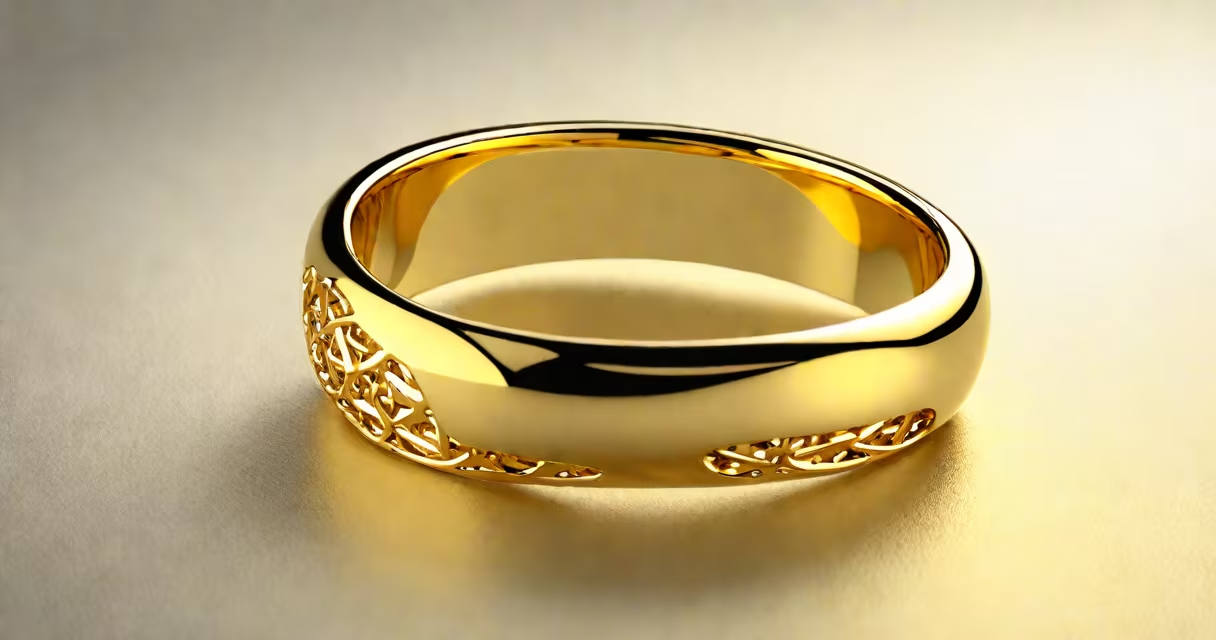
18 karat means the metal contains 75% pure gold by weight, with the remaining 25% made of other metals like silver, copper, or nickel. This standard strikes a balance between gold's visual appeal and practical strength in everyday wear.
Karat is a measure of gold purity, not weight or size. The term originates from the carob seed, historically used to weigh gold in ancient trade. Today, 24 karats represent pure gold. So 18 karat equals 18 parts gold out of 24 total parts. Mathematically, 18 ÷ 24 = 0.75, or 75% pure gold.
For comparison, 24 karat gold is nearly 100% pure but too soft for most jewelry. It bends easily and wears down quickly. 18 karat gold maintains rich color while resisting scratches and dents better than higher-purity gold. This makes it ideal for rings, necklaces, and bracelets worn daily.
How 18 Karat Gold Is Made
Goldsmiths start with raw gold ore, refine it to remove impurities, then mix it with alloy metals. For 18 karat gold, 75% of the total weight comes from pure gold. The remaining 25% typically includes copper (adds red warmth), silver (enhances shine), or nickel (increases hardness).
A common composition for 18K yellow gold is 75% gold, 12.5% silver, and 12.5% copper. This blend produces a warm, stable color that resists tarnishing. White gold versions use palladium or nickel instead of silver to achieve a silvery finish. Rose gold uses more copper, giving it a reddish tint.
Each alloy choice affects the final product's durability, color, and skin compatibility. Nickel alloys can cause allergic reactions in sensitive individuals. Palladium-based white gold is hypoallergenic and more expensive, but preferred for fine jewelry.
Types of 18 Karat Gold and Their Uses
Different gold colors serve distinct purposes. Here's how they compare:
| Type | Pure Gold (%) | Common Alloys | Use Cases |
|---|---|---|---|
| Yellow 18K | 75% | Copper, silver | Rings, wedding bands, classic watches |
| White 18K | 75% | Nickel, palladium | Modern engagement rings, earrings |
| Rose 18K | 75% | Copper (higher than yellow) | Fashion accessories, statement pieces |
Yellow 18K remains the most popular choice for heirloom-quality pieces. Its rich hue stands out under natural light and ages well. White 18K is often rhodium-plated to maintain brightness, though plating wears off over time. Rose gold has surged in popularity since the 2010s, especially in bridal fashion.
When buying, look for hallmarks like "18K" or "750" stamped inside the band. These indicate 75% gold content. A jeweler's certificate confirms purity and origin. Without it, authenticity can't be verified.
Why 18 Karat Is Common in Jewelry
18 karat gold offers a practical middle ground. Pure gold (24K) is too soft for daily use. Lower karat values like 10K (41.7% gold) are cheaper but appear less valuable. 18K sits at the sweet spot: high enough to feel luxurious, low enough to last.
Consider a 10-gram 18K gold bracelet. It contains 7.5 grams of pure gold and 2.5 grams of alloy. At $60 per gram for gold (2023 market average), the gold content alone is worth $450. The alloy adds structural integrity, preventing deformation during wear.
Some brands use 18K gold exclusively for engagement rings. Tiffany & Co., for example, uses 18K yellow gold in many of its classic designs. The company states that this standard ensures long-term durability without sacrificing luster. According to the Gemological Institute of America (GIA), 18K gold is the most widely used gold standard in fine jewelry globally.
Common Misconceptions
Many assume 18 karat means "half gold." That's incorrect. 18K is 75%, not 50%. Confusion arises because people misread "18" as a percentage. But 18 out of 24 parts is 75%, not half.
Another myth is that 18K gold doesn't tarnish. While it resists oxidation better than lower karat gold, it can still discolor over time due to contact with chemicals like chlorine or perfume. Silver alloys in 18K gold may develop a slight patina, especially in humid environments.
Also, 18K gold is not always more valuable than 14K. Price depends on current gold rates, craftsmanship, and brand. A 14K gold ring with complex engraving might cost more than a plain 18K piece. Purity is only one factor in valuation.
During a visit to a New York City pawn shop in 2022, I observed that 18K gold items consistently fetched higher resale prices than 10K or 14K, even when the design was simpler. The difference came down to perceived quality and buyer confidence in gold content.
What 18 Karat Isn't
18 karat is not synonymous with "real gold." Lower karat values like 10K or 9K are also real gold. The key difference lies in purity. A 10K gold ring is 41.7% gold-still authentic, but less pure.
It's also not the same as "gold-filled" or "gold-plated" materials. Gold-filled items have a layer of gold bonded to a base metal. They're not solid gold and wear through over time. Gold-plated items have a thin electroplated coating that fades within months. Neither qualifies as 18K.
Finally, 18K gold is not interchangeable with platinum. Platinum is a different metal entirely-denser, rarer, and more expensive. It's not measured in karats. Platinum jewelry is marked with "PT950" or "PLAT," indicating 95% purity.
Final Thoughts
Understanding what 18 karat means clarifies why it dominates fine jewelry. It delivers the richness of gold with the resilience needed for lasting wear. When shopping, verify the sign and ask about the alloy mix. Not all 18K gold is equal-color and durability depend on the metals blended in.