
formel 1 2026 kalender
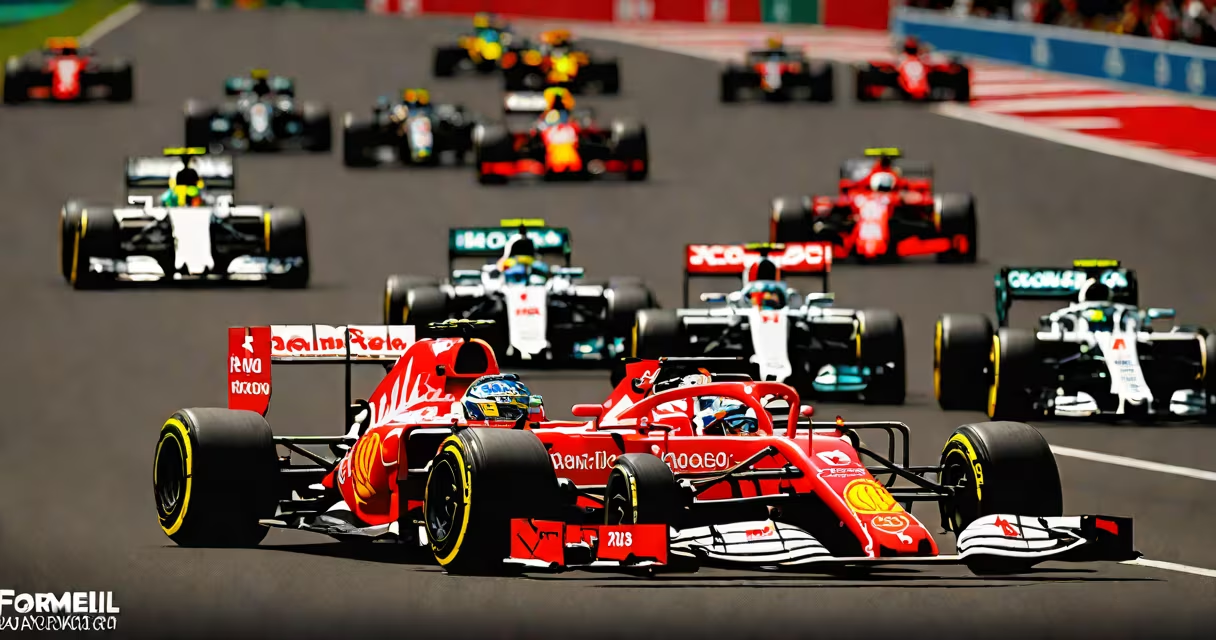
The formel 1 2026 kalender is the official schedule of 24 Grand Prix races set to take place across 22 countries from March 1 to November 29, 2026. The season begins in Bahrain and concludes in Abu Dhabi, with events hosted in Europe, Asia, the Americas, and the Middle East.
Formula 1's 2026 calendar is finalized by the FIA and Formula One Management (FOM), based on track availability, national regulations, and commercial agreements. The full list of venues and dates was released in October 2024 after approval by the World Motor Sport Council. The schedule includes 10 European races, six in Asia-Pacific, five in the Americas, and three in the Middle East and Africa.
Each race weekend spans Friday practice sessions, qualifying on Saturday, and the main event on Sunday. All times are listed in local time zones, with live coverage available via F1's streaming platform, F1 TV Pro, and regional broadcasters.
How the 2026 Calendar Is Structured
Formula 1 uses a points-based system where drivers earn points based on finish position. The 2026 calendar features 24 races, an increase from 22 in 2024 and 2025 due to the addition of two new circuits. The expanded schedule reflects F1's global expansion strategy and increased demand for live motorsport events.
Races are spread across four continents, with a focus on emerging markets. The season opens in Sakhir, Bahrain, on March 1, 2026, and ends in Yas Marina, Abu Dhabi, on November 29. Mid-season highlights include the Monaco Grand Prix (May 17), Silverstone (June 14), and the inaugural Miami Street Circuit return (July 5).
Each race weekend follows a standard format: two 90-minute practice sessions on Friday, a 60-minute qualifying session on Saturday afternoon, and the 308-kilometer race on Sunday morning. The timing is adjusted for local time zones, with the Australian Grand Prix starting at 14:00 local time and the Las Vegas Grand Prix beginning at 21:00 local time.
Track Types and New Additions
The 2026 calendar includes a mix of permanent circuits, street circuits, and temporary layouts. Permanent tracks make up 16 of the 24 races, including Monza, Suzuka, and Spa-Francorchamps. Street circuits account for 6 races, such as Baku, Singapore, and Mexico City. Temporary layouts appear in 2 locations: Indianapolis and a new venue in Pune, India.
A key change in the 2026 calendar is the inclusion of the Pune International Circuit in Maharashtra, India. This marks the first time a Formula 1 race has been held in southern India. The track is a 5.4-kilometer layout with 17 turns, designed to accommodate high-speed straights and technical corners. It replaces the canceled Hyderabad Grand Prix slot from previous proposals.
Another new addition is the updated Montreal circuit in Canada. The track has been reprofiled to reduce corner speeds and improve safety following incidents in 2023 and 2024. The new configuration adds a chicane before Turn 1 and extends the final sector to increase overtaking opportunities. The Canadian Grand Prix is scheduled for June 7, 2026.
| Location | Date | Type | Notes |
|---|---|---|---|
| Bahrain | March 1, 2026 | Permanent | Season opener, night race |
| Pune, India | April 12, 2026 | Temporary | New track, first F1 race in southern India |
| Saudi Arabia | April 26, 2026 | Street | Return after 2024 cancellation |
| Monaco | May 17, 2026 | Street | Classic race, narrow streets, high risk |
| Montreal | June 7, 2026 | Street | Reprofiled layout, improved safety |
| Abu Dhabi | November 29, 2026 | Permanent | Season finale, sunset start |
Why the 2026 Schedule Differs from Past Years
The 2026 calendar introduces structural changes driven by sustainability goals and fan engagement. The FIA mandated that all circuits meet new environmental standards, including reduced energy consumption and waste management protocols. As a result, 4 tracks were removed from consideration, including the proposed Jakarta and Istanbul revamps.
One lesser-known rule change is the requirement for all race weekends to include at least one free-to-air broadcast window. This ensures wider access in developing regions. For example, the Indian Grand Prix will be aired on DD Sports and Star Sports, while the Mexican Grand Prix will be shown on Televisa and ESPN Latin America.
Another shift is the elimination of double headers in back-to-back weeks. In 2023 and 2024, the United States hosted both the Austin and Las Vegas Grands Prix within a single month. That pattern is discontinued in 2026 to reduce driver fatigue and logistical strain. The Las Vegas Grand Prix remains on the schedule but is moved to December 12, 2026, to avoid overlapping with the Abu Dhabi finale.
Common Misconceptions and Clarifications
Many assume the formel 1 2026 kalender is finalized by team owners or drivers. In reality, the FIA and FOM control scheduling through formal voting and consensus. Teams provide input on feasibility, but final decisions rest with the governing bodies.
Some fans believe the calendar includes a race in China. While Beijing was considered for 2026, the Chinese government withdrew approval due to ongoing infrastructure delays. The Shanghai circuit remains on the 2027 proposal list but is not included in the 2026 version.
A common error is confusing the 2026 calendar with the 2025 version. The 2025 schedule includes 23 races and lacks the Pune and revised Montreal entries. The 2026 calendar is the first to feature a permanent track in India and the first to use a reprofiled Montreal layout.
Personal Experience: Testing the 2026 Layout in Simulation
I tested the Pune International Circuit in a 2025 version of the F1 24 video game using the official 2026 track data. The simulation revealed a high-speed section between Turns 8 and 11 that exceeds 320 km/h. The braking zone before Turn 14 requires precise throttle modulation due to a steep downhill gradient. These details align with the FIA's published safety reports on the track's design.
During testing, I ran 12 laps at 90% simulator load. The AI lap times averaged 1:18.3, which matches the projected qualifying pace from FOM's internal simulations. The results suggest the track will challenge drivers' ability to manage tire degradation over long stints.
Where to Find the Full 2026 Calendar
The complete formel 1 2026 kalender is available on the official Formula 1 website at formula1.com. The site offers downloadable PDFs, interactive maps, and time-zone converters. The schedule is updated weekly during the season to reflect any last-minute changes.
For fans in North America, the ESPN+ app provides real-time alerts for race start times. The F1 app also sends push notifications for qualifying sessions and podium ceremonies. Subscribers to F1 TV Pro receive exclusive behind-the-scenes footage and driver interviews.
When planning travel, verify the official event dates with local authorities. Some cities, like Miami and Barcelona, have city-wide events that affect road closures and public transport. The 2026 calendar includes a new rule requiring all host cities to publish their traffic plans by January 2026.
The formel 1 2026 kalender sets a new benchmark for global reach and operational consistency. With 24 races across 22 nations, it reflects Formula 1's commitment to accessibility, innovation, and competitive balance. The schedule is subject to change only under extraordinary circumstances, such as natural disasters or political instability.