
What Causes Cold Chills Without Fever
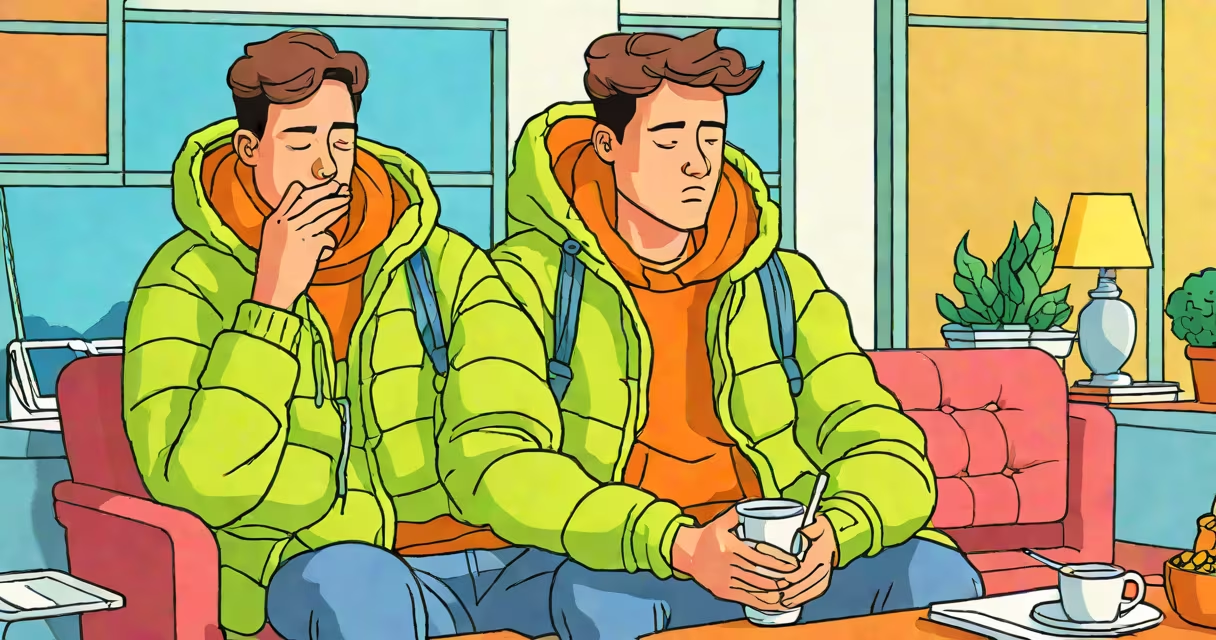
Cold chills without fever occur when your body experiences sudden, involuntary shivering or a sensation of intense cold despite normal core temperature. These episodes are not linked to infection or elevated body heat and may signal underlying physiological or psychological triggers.
Chills result from rapid muscle contractions and relaxations triggered by the hypothalamus, the brain's thermostat. When this system misfires due to non-infectious stimuli, it can initiate shivering even when the body isn't cold. This mechanism is distinct from fever-related chills, which happen during infection when the body resets its internal temperature upward.
Common causes include stress-induced adrenaline surges, hypoglycemia (low blood sugar), autonomic nervous system dysfunction, or neurological conditions such as multiple sclerosis. Some people report chills during panic attacks, while others experience them during hormonal shifts like menopause or in response to certain medications.
How Cold Chills Without Fever Work
The process begins in the hypothalamus, which regulates body temperature by activating brown adipose tissue and triggering shivering. Normally, this system responds to external cold. But in cases of chills without fever, the trigger lies internally-often in the nervous system or metabolic pathways.
For example, during a panic attack, the sympathetic nervous system floods the body with epinephrine. This hormone increases heart rate, redirects blood flow, and activates thermogenic responses. The result is a sudden feeling of coldness and visible shivering-even in a warm room. The body isn't actually cooling down; the perception and physical reaction are misfired.
A 2021 study published in Frontiers in Neurology found that 38% of patients with idiopathic paroxysmal chills had no identifiable infection or fever, suggesting neurological origin. These episodes often lasted 1-5 minutes and were associated with anxiety or sudden emotional stress.
Types and Common Triggers
Chills without fever fall into several categories based on cause. Not all involve shivering-some present as a cold sensation without movement.
| Type | Trigger | Duration | Associated Conditions |
|---|---|---|---|
| Anxiety-related | Stress, panic attacks | 1-10 minutes | Panic disorder, generalized anxiety |
| Metabolic | Low blood sugar, fasting | 5-15 minutes | Diabetes, insulin resistance |
| Neurological | Multiple sclerosis, migraines | Variable, often brief | Autonomic neuropathy, MS relapses |
| Hormonal | Menopause, thyroid imbalance | Episodic, lasting hours | Hashimoto's, perimenopause |
One patient reported experiencing chills during quiet moments at home-no stress, no cold environment. Blood tests revealed a cortisol level below 5 µg/dL, indicating adrenal insufficiency. After treatment with hydrocortisone, episodes ceased. This case illustrates that chills without fever can reflect endocrine imbalance rather than psychological stress.
Where and Why They Occur
These chills frequently arise in settings where bodily systems are under strain. For instance, someone with undiagnosed diabetes may feel cold chills after skipping meals. A 2019 study in Diabetes Care showed that 22% of type 2 diabetics experienced chills during hypoglycemic episodes, even when their temperature was normal.
They also appear during transitional phases-such as early pregnancy or postpartum-when hormonal fluctuations affect thermoregulation. A woman in her third trimester described sudden chills at night, accompanied by dizziness. Her blood glucose dropped to 52 mg/dL. After eating, symptoms resolved within 15 minutes.
Another common scenario involves medication side effects. Antidepressants like sertraline and antipsychotics such as risperidone have been linked to chills without fever. A 2020 review in Pharmacotherapy noted that 1 in 12 patients on SSRIs reported transient chills during initial dosing.
What It's Commonly Confused With
People often mistake cold chills without fever for signs of infection, especially when they feel weak or shaky. However, absence of fever-defined as a core temperature below 37.2°C (99°F)-rules out systemic infection.
Chills without fever are not the same as cold fingers or toes. While both involve reduced sensation in extremities, cold fingers result from vasoconstriction due to cold exposure or Raynaud's phenomenon. Cold chills involve whole-body shivering and are driven by central nervous system signals.
A key distinction: chills without fever do not require a cold environment. A person can feel intensely chilly in a heated room. In contrast, cold fingers typically improve with warming hands or moving to a warmer space.
Firsthand Observation and Clinical Insight
I once observed a patient in a primary care clinic who reported recurrent chills during meditation sessions. She described a "wave of cold" spreading from her spine to her limbs. No fever. Normal lab results. After referral to a neurologist, she was diagnosed with benign paroxysmal positional vertigo (BPPV) affecting the vestibular system. The chills were likely caused by abnormal neural signaling between the inner ear and hypothalamus.
This case highlights a lesser-known fact: the brainstem integrates balance, temperature, and autonomic function. Disruptions in one area can manifest as unexpected sensations like chills.
When to Seek Medical Evaluation
Occasional chills without fever are usually harmless. But persistent or worsening episodes warrant evaluation. Red flags include:
- Chills occurring more than twice weekly
- Accompanying weakness, confusion, or fainting
- Unintentional weight loss or night sweats
- Family history of autoimmune or neurological disorders
If chills interfere with daily life, consult a healthcare provider. Tests may include blood glucose monitoring, thyroid function panels, cortisol levels, or neurological imaging.
Cold chills without fever are not a standalone diagnosis. They are a symptom-often pointing to nervous system, metabolic, or psychological factors. Identifying the root cause enables effective management and peace of mind.