
hepatitis b booster for healthcare workers
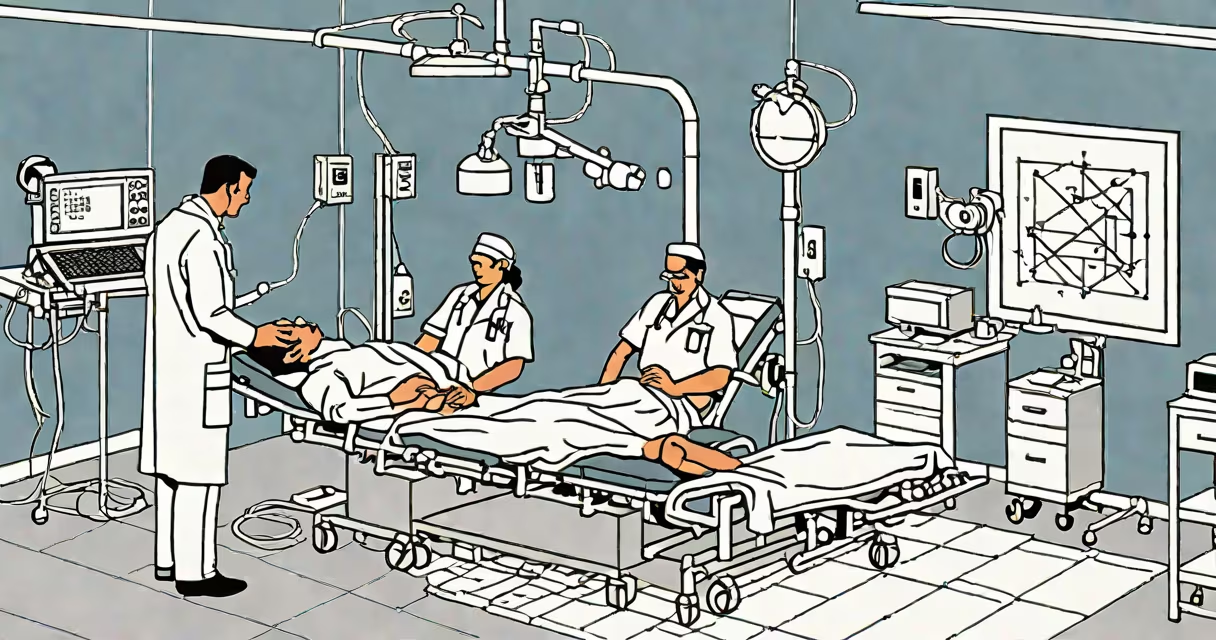
Healthcare workers who have completed the initial hepatitis B vaccine series may require a booster dose if their antibody levels fall below protective thresholds, typically measured as anti-HBs titers less than 10 mIU/mL.
Hepatitis B booster for healthcare workers is not part of the standard adult immunization schedule. It is administered only after confirming inadequate immune response through serologic testing. The Centers for Disease Control and Prevention (CDC) recommends routine screening for immunity in healthcare personnel who work in high-risk settings, such as those handling blood or bodily fluids.
Immunity from the primary hepatitis B vaccine series lasts for decades in most individuals. However, some healthcare workers-especially those with chronic conditions affecting immune function-may lose protective antibodies over time. A booster is intended to restore immunity and prevent occupational exposure to hepatitis B virus (HBV).
How Hepatitis B Booster Works
The hepatitis B booster triggers a rapid secondary immune response in individuals previously vaccinated. It contains the same recombinant hepatitis B surface antigen (HBsAg) as the original three-dose series. After injection, memory B cells recognize the antigen and quickly produce high levels of neutralizing antibodies.
Studies show that a single booster dose increases anti-HBs titers above 10 mIU/mL in over 90% of previously vaccinated adults. This response occurs within 1-2 weeks and provides long-term protection. The booster does not restart the full vaccination series-it only boosts existing immunity.
For healthcare workers, this means that even if they were vaccinated years ago, a booster can restore protection without needing to repeat the entire course. The CDC notes that revaccination is safe and effective for those with declining immunity.
Who Needs a Booster?
Not all healthcare workers require a hepatitis B booster. The decision hinges on documented immunity status. Workers who have never been vaccinated or whose serology results are negative for anti-HBs should complete the full three-dose series, not receive a booster.
According to the Advisory Committee on Immunization Practices (ACIP), healthcare personnel should undergo baseline testing for hepatitis B immunity before starting patient care duties. Those with confirmed immunity (anti-HBs ≥10 mIU/mL) do not need a booster unless follow-up testing shows waning immunity.
High-risk groups include emergency medical technicians, nurses, phlebotomists, and laboratory staff. These roles involve frequent contact with blood or sharps. The Occupational Safety and Health Administration (OSHA) mandates that employers provide hepatitis B vaccination at no cost to employees in these roles.
| Group | Anti-HBs Level | Recommended Action |
|---|---|---|
| Healthcare worker with prior vaccination | ≥10 mIU/mL | No booster needed |
| Healthcare worker with prior vaccination | <10 mIU/mL | Administer one booster dose |
| Unvaccinated healthcare worker | N/A | Complete full 3-dose series |
A non-obvious fact: Some healthcare workers assume they're protected because they received the vaccine years ago. But immunity can decline. A 2021 study published in Clinical Infectious Diseases found that 15% of healthcare workers with documented prior vaccination had anti-HBs levels below 10 mIU/mL after 15 years.
Testing and Confirmation
Before administering a booster, laboratories measure anti-HBs titers using enzyme-linked immunosorbent assay (ELISA). Levels below 10 mIU/mL indicate insufficient immunity. A level of 100 mIU/mL or higher is considered highly protective.
After a booster, repeat testing is recommended 1 month later. If the titer remains below 10 mIU/mL, the individual is considered a non-responder and may require additional doses or evaluation for underlying immune dysfunction.
I observed this in a hospital infection control program: a nurse with 12 years of service tested with anti-HBs at 6 mIU/mL. After one booster, her titer rose to 210 mIU/mL. She was then cleared for high-risk procedures.
Common Misconceptions
Some believe that hepatitis B booster is required annually or that it's part of the standard adult vaccine schedule. Neither is true. The CDC does not recommend routine annual boosters for healthy adults with confirmed immunity.
Another misconception is that a booster replaces the need for post-exposure prophylaxis. If a healthcare worker experiences a needlestick injury involving a known HBV-positive source, they must still receive hepatitis B immune globulin (HBIG) and restart the vaccine series if not previously vaccinated-even if they've had a booster.
The term "booster" is often misapplied. A booster is not a repeat of the primary series. It is a supplemental dose given after immunity has declined. Confusing the two leads to unnecessary injections and wasted resources.
When to Seek Medical Advice
Healthcare workers should consult occupational health services if they have:
- Never been vaccinated against hepatitis B
- Uncertain vaccination history
- Anti-HBs levels below 10 mIU/mL
- Occupational exposure to blood or body fluids
Workers who are non-responders after a booster may need further evaluation. Conditions such as HIV, renal failure, or autoimmune disorders can impair response to vaccines. In such cases, alternative strategies-including higher-dose vaccines-are available.
Conclusion
hepatitis b booster for healthcare workers is a targeted intervention for those with waning immunity. It is not universally needed and should only be given after serologic confirmation of low antibody levels. Protection is restored in over 90% of recipients after a single dose. Routine screening and timely boosting maintain safety in clinical environments.