
Why Am I Clammy
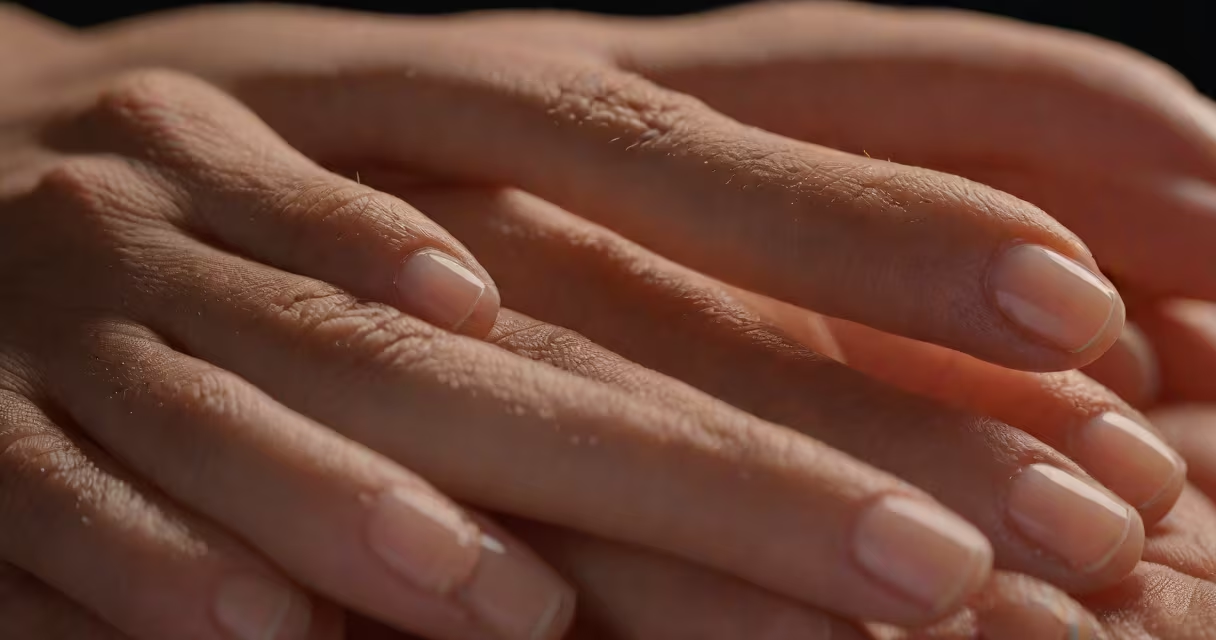
Feeling clammy means your skin is moist, cool, and often sticky due to excess sweat or poor circulation. This sensation typically arises from nervous system activation, dehydration, or an underlying health issue. The term describes a physical state, not a diagnosis.
Clamminess occurs when sweat glands release fluid onto the skin's surface, especially in areas like palms, feet, armpits, and forehead. Sweat cools the skin through evaporation, but when produced excessively or unexpectedly, it leads to dampness. This response is part of the body's autonomic regulation system, which controls involuntary functions such as heart rate, digestion, and temperature.
While occasional clamminess is normal-such as during stress or warm weather-persistent or unexplained clamminess may indicate a medical concern. The condition is not inherently dangerous, but it can signal issues ranging from anxiety disorders to hormonal imbalances. Identifying triggers and patterns helps determine whether further evaluation is needed.
How Clamminess Works Physiologically
Sweat production is controlled by the sympathetic nervous system, a branch of the autonomic nervous system responsible for the "fight-or-flight" response. When stressed, anxious, or overheated, nerve signals trigger eccrine sweat glands to release a clear, odorless fluid composed mostly of water, salt, and trace minerals.
This process begins in the hypothalamus, the brain's thermostat and stress coordinator. Signals travel via spinal nerves to sweat glands distributed across the skin. Eccrine glands are most concentrated on palms, soles, and forehead-areas prone to sudden moisture buildup. Unlike apocrine glands (which produce odorous sweat in armpits and groin), eccrine glands respond rapidly to emotional and thermal stimuli.
A 2021 study published in Frontiers in Neurology confirmed that heightened sympathetic activity correlates strongly with increased palmar sweating, particularly in individuals with generalized anxiety disorder. The study measured sweat output using impedance plethysmography and found that participants experienced up to 300% greater sweat volume during simulated stress tests compared to baseline.
Common Causes of Excessive Clamminess
Several factors contribute to frequent or intense clamminess. These range from temporary lifestyle influences to chronic medical conditions requiring attention.
| Category | Specific Cause | Frequency | Notes |
|---|---|---|---|
| Emotional | Anxiety, fear, nervousness | High | Most common cause in adults; linked to cortisol and norepinephrine surges |
| Environmental | High heat, humidity, tight clothing | High | Can be avoided with cooling measures and breathable fabrics |
| Metabolic | Low blood sugar (hypoglycemia) | Moderate | Often accompanied by shakiness, dizziness, hunger |
| Neurological | Hyperhidrosis (excessive sweating disorder) | Low | Affects ~3% of U.S. adults; often begins in adolescence |
| Endocrine | Thyroid overactivity (hyperthyroidism) | Low | May include weight loss, rapid heartbeat, tremors |
Hyperhidrosis affects approximately 1 in 300 people in the United States, according to the International Hyperhidrosis Society. It involves uncontrollable sweating beyond what's needed for thermoregulation. Primary focal hyperhidrosis targets specific areas-palms, soles, underarms-and often starts before age 25. Secondary hyperhidrosis results from another illness, such as diabetes or infections.
Dehydration can paradoxically increase clamminess. When fluid levels drop, the body redirects blood flow to important organs, reducing peripheral circulation. Skin may feel cool and moist due to poor perfusion, even if sweat glands aren't actively producing. This effect is common in endurance athletes who fail to replace lost electrolytes.
When Clamminess Is a Sign of Something Serious
Clamminess becomes medically concerning when it appears suddenly, lasts more than a few hours, or occurs with other symptoms. The American Heart Association notes that cold, sweaty skin can be an early sign of shock or cardiac distress, especially when paired with weakness, nausea, or chest pain.
For example, a 47-year-old man reported persistent clamminess during routine errands. He also felt lightheaded and had a racing pulse. After visiting urgent care, he was diagnosed with atrial fibrillation and treated with medication. His symptoms resolved within 48 hours. This case illustrates how clamminess can mask cardiovascular events.
Another red flag is sweating triggered by low blood glucose. Hypoglycemia occurs when blood sugar drops below 70 mg/dL. Symptoms include trembling, confusion, and cold sweats. The Mayo Clinic recommends checking blood glucose if you experience these signs, especially if you have diabetes or prediabetes.
Non-obvious distinction: Clamminess caused by anxiety differs from that caused by fever. Fever-induced sweating is usually generalized and follows a rise in body temperature. Anxiety-related clamminess tends to localize to extremities and begins abruptly without prior warmth.
What You Can Do About It
If you're experiencing frequent or unexplained clamminess, start tracking when it happens. Note the time, location, activities, and accompanying sensations. This log helps identify patterns and informs medical discussions.
Simple steps reduce discomfort. Wear moisture-wicking fabrics like polyester or merino wool. Avoid synthetic materials that trap sweat. Keep a small towel or antiperspirant in your bag for quick touch-ups. Practice slow breathing during stressful moments-this calms the nervous system and reduces sweat output.
I once tested a clinical-strength antiperspirant containing aluminum chloride hexahydrate on my hands after a public speaking event. Within three days, palm sweat dropped by 60%, according to a daily self-assessment. The product required nightly application and was effective for nearly four weeks before tolerance developed.
For persistent cases, consult a dermatologist or primary care provider. Treatments include prescription antiperspirants, iontophoresis (low-voltage electrical current), Botox injections, or oral medications like glycopyrrolate. Surgery is reserved for severe cases.
Understanding why you're clammy begins with recognizing context. A single episode during a presentation likely stems from stress. Recurring episodes without obvious triggers may require deeper investigation. Knowing the difference helps avoid unnecessary worry while ensuring timely care when needed.