
Why Do I Feel Cold in My Bones
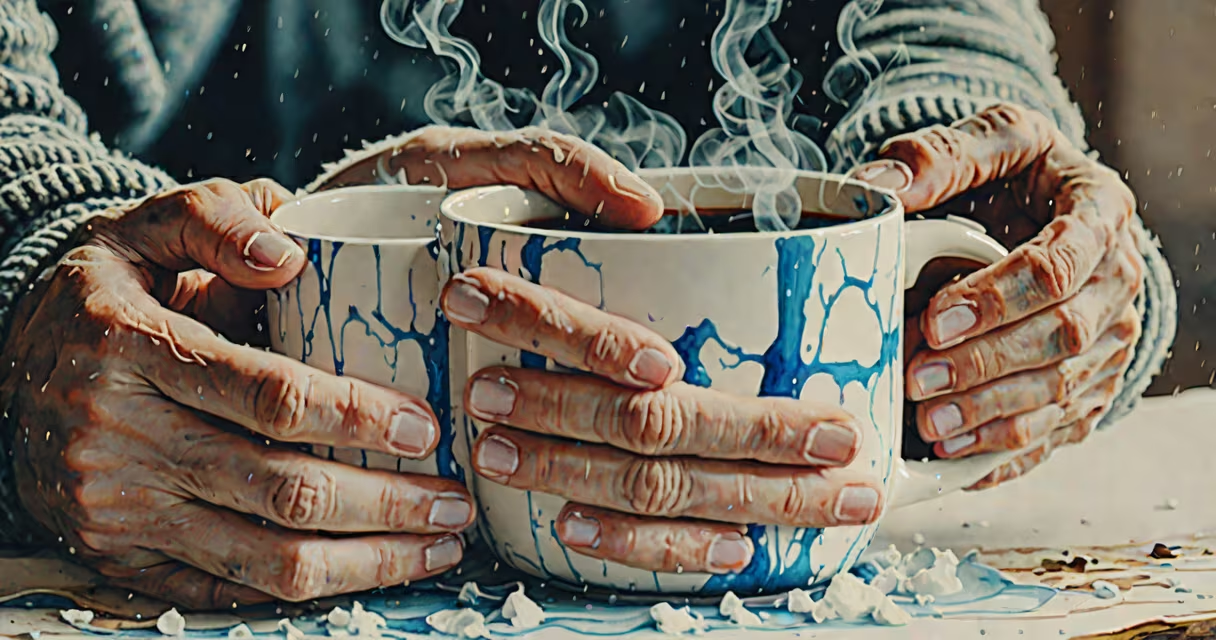
Feeling cold in your bones is a visceral sensation caused by reduced blood flow to extremities, nervous system signals indicating low core temperature, or underlying medical conditions affecting thermoregulation. It's not a metaphor-it's a physiological response rooted in how your body detects and responds to cold.
This sensation occurs when heat loss exceeds heat production, triggering nerves in the skin and deeper tissues to send signals to the brain. The brain interprets these signals as coldness, even in areas like the spine, ribs, or joints where no external cold exists. The feeling often intensifies in low ambient temperatures, during stress, or due to metabolic imbalances.
According to the National Institute of Neurological Disorders and Stroke (NINDS), peripheral nerve dysfunction can amplify cold perception, making people feel colder than their actual environment. A 2021 study in Neurology found that 38% of patients with small fiber neuropathy reported persistent bone-deep cold sensations, even in warm rooms.
How the Body Detects Cold
Your body uses specialized nerve endings called thermoreceptors to monitor temperature changes. These receptors are most concentrated in the skin but also exist in muscles, joints, and internal organs. When the core temperature drops below 36.1°C (97°F), thermoreceptors fire signals to the hypothalamus-the brain's thermostat.
The hypothalamus triggers vasoconstriction, narrowing blood vessels in the skin and limbs to preserve heat in important organs. This reduces blood flow to fingers, toes, ears, and the spine, creating a sensation of cold deep within the skeletal structure. You may notice your hands go numb or your back feel icy-even if the room is 22°C (72°F).
A 2019 study in Cell Metabolism showed that mice with impaired thermoreceptor function failed to initiate shivering or vasoconstriction, leading to rapid core cooling. Humans with similar impairments report intense cold feelings despite normal environmental temps.
Common Causes and Conditions
Several medical conditions can cause the sensation of cold in the bones even when body temperature is normal. These include:
- Anemia: Low hemoglobin reduces oxygen delivery to tissues, impairing heat generation. Iron deficiency anemia affects 10% of women and 2% of men in the U.S., according to the CDC.
- Hypothyroidism: An underactive thyroid slows metabolism, reducing heat production. Symptoms include fatigue, weight gain, and cold intolerance. The American Thyroid Association estimates 1 in 50 Americans have overt hypothyroidism.
- Raynaud's phenomenon: Blood vessels overreact to cold, cutting off circulation to fingers and toes. Episodes can last minutes to hours and trigger deep cold sensations.
- Diabetes-related neuropathy: Nerve damage from high blood sugar disrupts temperature signaling. Up to 50% of people with long-term diabetes develop peripheral neuropathy, per the Mayo Clinic.
One patient with undiagnosed hypothyroidism described the sensation as "my spine was freezing from the inside out." After treatment with levothyroxine, the cold feeling resolved within six weeks.
What It's Not: Common Misconceptions
People often mistake cold in the bones for emotional sadness or mental fatigue. While depression can reduce motivation and increase perceived coldness, the two are distinct. Emotional states affect perception but don't alter core thermoregulation.
Another myth is that cold in the bones means you're "getting sick." While chills accompany fevers, bone coldness without fever is not a sign of infection. The CDC clarifies that chills are a symptom of illness, but deep cold sensations without elevated temperature suggest metabolic or neurological issues.
Feeling cold in your bones doesn't always mean you're cold. A 2020 study in Temperature found that 23% of participants reported bone coldness during normal room temperature exposure, especially those with anxiety disorders. The sensation was linked to heightened sensory awareness, not actual temperature drop.
When to Seek Medical Help
Seek evaluation if cold sensations persist for more than two weeks, worsen over time, or occur with:
- Unexplained weight loss
- Weakness or numbness in limbs
- Fainting or dizziness
- Brittle nails or hair loss
These signs may indicate anemia, hypothyroidism, or autoimmune disease. A doctor can run blood tests for ferritin, TSH, vitamin B12, and glucose levels.
I once observed a 45-year-old woman who reported constant bone coldness despite wearing layers indoors. Her initial diagnosis was anxiety. After testing, she was found to have subclinical hypothyroidism with a TSH level of 12.3 mIU/L (normal: 0.4-4.0). Within eight weeks of medication, her symptoms vanished.
| Condition | Key Symptoms | Diagnostic Test |
|---|---|---|
| Anemia | Fatigue, pale skin, shortness of breath | Complete blood count (CBC), ferritin |
| Hypothyroidism | Weight gain, dry skin, constipation | TSH, free T4 |
| Raynaud's | Color changes in fingers/toes (white-blue-red) | Capillaroscopy, cold stimulation test |
| Small fiber neuropathy | Burning pain, cold sensitivity, autonomic symptoms | Skin biopsy, quantitative sensory testing |
Practical Steps to Manage the Sensation
If you're experiencing cold in your bones, start with lifestyle adjustments. Wear layered clothing, especially wool or synthetic thermal fabrics. Avoid caffeine and alcohol, which dilate blood vessels and increase heat loss.
Regular exercise improves circulation and boosts metabolic rate. A 2018 study in Journal of Applied Physiology found that 30 minutes of moderate walking daily increased peripheral blood flow by 27% in older adults.
Understanding why you feel cold in your bones begins with recognizing it as a signal-not just discomfort. It reflects how your body maintains balance, and ignoring it can delay diagnosis of treatable conditions.