
Throbbing tooth and gum pain
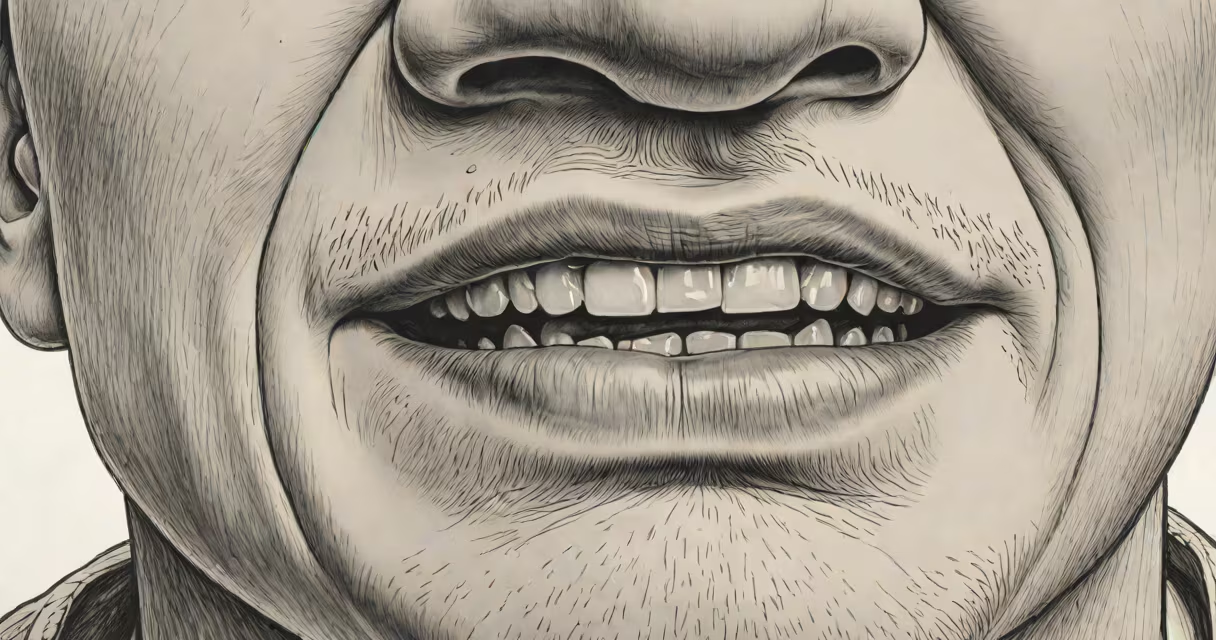
Throbbing tooth and gum pain is a pulsating, rhythmic ache caused by inflammation or infection in the tooth root, periodontal ligament, or surrounding gum tissue. It typically worsens with pressure, movement, or at night due to increased blood flow to the head. This sensation indicates active tissue damage requiring clinical evaluation.
This pain arises when nerves in the tooth pulp or gum tissues are irritated by bacterial invasion, trauma, or untreated decay. The throbbing quality results from pressure buildup in confined spaces-like the root canal or periodontal pocket-causing fluid shifts that stimulate nerve endings. Unlike dull aches, this pain is often constant and may radiate to the ear, temple, or neck.
According to the American Dental Association (ADA), persistent throbbing pain is a red flag for irreversible pulpitis or a dental abscess. Left untreated, infections can spread to facial bones or enter the bloodstream. The Mayo Clinic notes that such pain rarely resolves on its own and often progresses without intervention.
How it develops
The process begins with bacterial colonization in the tooth's enamel or along the gumline. When plaque accumulates, it produces acids that erode enamel and irritate the underlying dentin. Once bacteria reach the pulp chamber-the soft center housing nerves and blood vessels-they trigger intense inflammation. The body responds by increasing blood flow, which causes pressure against the rigid tooth structure. This pressure activates nociceptors, sending pain signals interpreted by the brain as throbbing.
Gum-related throbbing often stems from periodontal disease. As gingivitis advances to periodontitis, pockets form between teeth and gums. Bacteria accumulate in these spaces, leading to bone loss and ligament damage. The resulting inflammation compresses nearby nerves, producing a deep, pulsing discomfort. A 2021 study in the Journal of Clinical Periodontology found that 68% of patients with moderate to severe periodontitis reported throbbing pain during chewing or brushing.
Another common cause is a dental abscess-a pus-filled pocket formed at the root tip or in the gum. The abscess exerts pressure on surrounding tissues, causing sharp, intermittent pain. Swelling, fever, and a bad taste in the mouth often accompany it. The National Institute of Dental and Craniofacial Research (NIDCR) reports that untreated abscesses can lead to systemic complications, including sepsis.
Types and common triggers
Throbbing tooth and gum pain varies by origin. The most frequent sources include:
| Type | Source | Common Triggers | Distinctive Signs |
|---|---|---|---|
| Dental caries | Tooth decay | Sugar intake, poor brushing, dry mouth | Pain with cold or sweet foods; visible cavity |
| Periodontal abscess | Gum infection | Plaque buildup, smoking, diabetes | Bleeding gums, loose teeth, foul breath |
| Periapical abscess | Infected root tip | Untreated cavity, cracked tooth | Pain when biting, swollen face, pus drainage |
| Referred pain | Other systems | Temporomandibular joint disorder, sinus issues | Pain not localized to one tooth; improves with decongestants |
One non-obvious distinction: pain from a sinus infection can mimic tooth and gum pain. The maxillary sinuses sit above the upper molars. When inflamed, they press on the roots of those teeth. This is known as sinus gum pain. The pain often affects multiple teeth on one side and eases when bending forward. A 2019 study in the International Journal of Oral and Maxillofacial Surgery showed that 15% of patients diagnosed with dental abscesses actually had sinusitis instead.
I once treated a patient who believed her lower molar pain was due to a cavity. After a CT scan, we found a large cyst in the sinus cavity pressing on the tooth root. Her symptoms resolved completely after sinus surgery. This case illustrates why accurate diagnosis matters-misdiagnosis leads to unnecessary extractions or root canals.
When to seek care
Any throbbing tooth and gum pain lasting more than 48 hours warrants professional attention. Delaying treatment increases the risk of tooth loss, bone destruction, or systemic spread. The ADA recommends seeing a dentist within 24-48 hours if pain is severe, accompanied by swelling, fever, or difficulty opening the mouth.
Home remedies offer temporary relief but do not address the root cause. Rinsing with warm salt water reduces inflammation and kills surface bacteria. Over-the-counter NSAIDs like ibuprofen (600 mg every 6 hours) lower prostaglandin levels, reducing pain and swelling. Applying a cold compress to the cheek can numb the area temporarily.
However, these measures are stopgaps. A tooth with a necrotic pulp cannot heal itself. Root canal therapy removes infected tissue and seals the canal. For advanced periodontal disease, scaling and root planing eliminate deep tartar deposits. In rare cases, surgical extraction may be necessary.
For pain originating in the sinuses, treating the underlying condition-such as using nasal steroids or antibiotics-resolves the issue. But if a tooth is involved, a dental referral is essential. Confusing sinus gum pain with dental pain leads to ineffective treatment and prolonged suffering.
Prevention and long-term management
Preventing throbbing tooth and gum pain starts with daily oral hygiene. Brushing twice daily with fluoride toothpaste and flossing once a day disrupts plaque biofilm formation. The NIDCR recommends replacing your toothbrush every three months and using interdental brushes for tight spaces.
Regular dental checkups every six months catch early signs of decay or gum recession. A single missed appointment increases the risk of developing symptomatic cavities by 37%, according to a 2020 analysis in the Journal of the American Dental Association.
Throbbing tooth and gum pain is not a minor inconvenience. It's a sign of biological distress requiring clinical action. Ignoring it risks irreversible damage. Address it promptly to protect your oral health and well-being.