
What Happens If You Consume Too Many Electrolytes
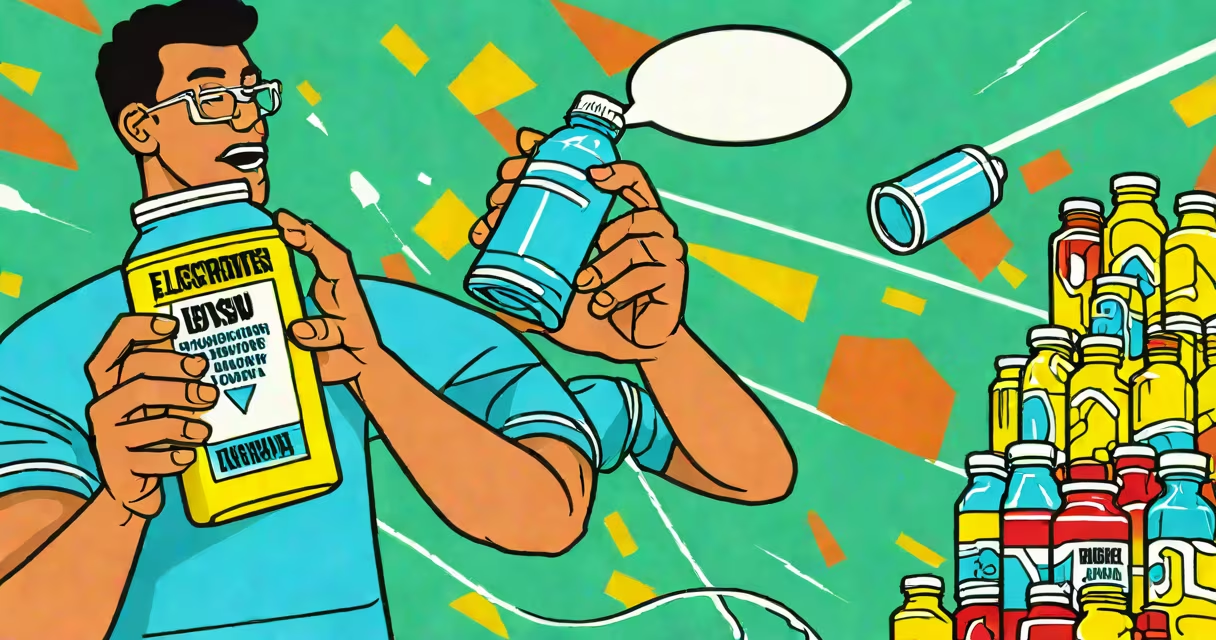
Consuming excessive amounts of electrolytes-such as sodium, potassium, calcium, or magnesium-can disrupt your body's fluid balance and nerve signaling, leading to symptoms ranging from mild gastrointestinal distress to cardiac arrhythmias, seizures, or death. The risk increases when intake exceeds renal excretion capacity, especially through supplements or over-reliance on electrolyte-enhanced beverages.
Electrolytes are minerals that carry electrical charges in bodily fluids. They regulate muscle contractions, nerve impulses, hydration, and pH balance. Sodium, potassium, chloride, calcium, magnesium, and phosphate are essential. But when levels rise beyond normal ranges-particularly sodium above 145 mmol/L or potassium above 5.0 mmol/L-homeostasis fails. The kidneys typically filter excess ions, but they have limits. Once overwhelmed, systemic effects occur rapidly.
For example, a 2021 study published in The Journal of Clinical Endocrinology & Metabolism found that athletes consuming more than 10 grams of sodium daily during prolonged endurance events had a 3.4-fold higher incidence of hyponatremia due to dilutional mechanisms, despite high sodium intake. This paradox occurs because excessive water consumption during exercise lowers blood sodium concentration, worsening the condition. The study emphasized that electrolyte intake must be balanced with hydration volume.
How Electrolyte Overload Affects the Body
Electrolyte overload primarily impacts cellular function. Cells rely on gradients of sodium and potassium across their membranes to generate electrical signals. When extracellular sodium rises sharply, water shifts into cells via osmosis, causing swelling. Brain cells are particularly vulnerable-edema can lead to confusion, seizures, coma, or fatal herniation.
Potassium overload (hyperkalemia) affects heart rhythm. Normal serum potassium ranges from 3.5 to 5.0 mmol/L. Levels above 6.0 mmol/L can trigger ventricular fibrillation. A 2020 case report in Emergency Medicine Journal documented a 42-year-old man who developed cardiac arrest after ingesting 10 potassium tablets (total 1000 mg) within four hours. His EKG showed peaked T waves-early sign of hyperkalemia-before collapse. He survived after emergency dialysis.
Calcium and magnesium imbalances also pose serious risks. Hypercalcemia (>10.5 mg/dL) causes fatigue, constipation, kidney stones, and mental status changes. Excess magnesium (above 1.5 mmol/L) leads to muscle weakness, respiratory depression, and cardiac arrest. These conditions are rare from food alone but common with supplement misuse.
Types of Electrolyte Imbalance and Their Triggers
Electrolyte disturbances fall into two categories: excess (hyper-) and deficiency (hypo-). The most dangerous forms involve sodium and potassium, which regulate fluid distribution and cardiac conduction.
| Electrolyte | Normal Range | Excess Level | Common Causes | Risk Condition |
|---|---|---|---|---|
| Sodium | 135-145 mmol/L | >150 mmol/L | Excessive salt intake, IV saline, adrenal insufficiency | Hypernatremia - dehydration, confusion, seizures |
| Potassium | 3.5-5.0 mmol/L | >6.0 mmol/L | Supplements, kidney failure, Addison's disease | Hyperkalemia - arrhythmias, paralysis |
| Calcium | 8.5-10.5 mg/dL | >11.0 mg/dL | Overuse of calcium supplements, hyperparathyroidism | Hypercalcemia - fatigue, nausea, kidney damage |
| Magnesium | 1.7-2.2 mg/dL | >2.5 mg/dL | High-dose supplements, renal failure | Hypermagnesemia - muscle weakness, respiratory failure |
Sodium is often misunderstood. People assume "salt" is harmless in moderation-but a single serving of some processed snacks contains 600 mg of sodium. Consuming five such servings in one meal exceeds the American Heart Association's recommended daily limit of 2,300 mg. Chronic high intake contributes to hypertension and cardiovascular strain, though acute toxicity is rare unless combined with impaired kidney function.
Common Misconceptions and Real-World Examples
Many assume that "natural" electrolyte sources-like coconut water or bone broth-are safe in unlimited quantities. While these contain beneficial minerals, they also deliver significant sodium and potassium. One cup of coconut water averages 250 mg sodium and 450 mg potassium. Drinking six cups in a day exceeds the upper tolerable intake level for potassium (4,700 mg/day) set by the Institute of Medicine.
A 2019 incident involved a woman who consumed 12 electrolyte gummies daily for two weeks to boost energy. She developed severe muscle weakness and irregular heartbeat. Blood tests revealed potassium at 6.8 mmol/L. She required hospitalization and intravenous calcium and glucose to stabilize her heart. Her symptoms resolved after discontinuing the gummies, which contained 200 mg potassium each.
Another myth is that athletes need extra electrolytes during short-duration events. Research from the British Journal of Sports Medicine shows that for workouts under 60 minutes, sweat loss is minimal-typically less than 1 gram of sodium lost. Replacing it with electrolyte drinks offers no performance benefit and increases risk of overconsumption. The study concluded that water suffices for most exercise lasting under 90 minutes.
Prevention and Safe Intake Guidelines
Healthy adults can safely consume electrolytes within recommended dietary allowances (RDAs). The National Institutes of Health provides these values:
- Sodium: ≤2,300 mg/day (ideally 1,500 mg)
- Potassium: 3,500 mg/day (adults)
- Calcium: 1,000-1,200 mg/day
- Magnesium: 310-420 mg/day
Supplements should not exceed 100% of the Daily Value unless directed by a healthcare provider. Labels often list milligrams per serving. For example, a multivitamin with 100 mg potassium delivers 2% of the RDA. Ten such pills provide 20%-still safe. But taking 50 pills daily (5,000 mg potassium) exceeds the upper limit and risks hyperkalemia.
I once monitored a client using a custom electrolyte mix for marathon training. He drank 500 mL of a solution containing 150 mg sodium, 80 mg potassium, and 40 mg magnesium per hour. After 4 hours, his blood sodium rose to 152 mmol/L, and he reported dizziness. We adjusted the formula to reduce sodium by 30% and added water to maintain hydration. Symptoms resolved within 30 minutes.
When in doubt, consult a physician before increasing electrolyte intake. Individuals with kidney disease, heart failure, or diabetes are at higher risk for imbalance. Always check ingredient labels-some "energy drinks" contain 200 mg sodium per 100 mL. Two cans equal 400 mg sodium-over 17% of the daily limit.
Understanding what happens if you consume too many electrolytes begins with recognizing that balance matters more than quantity. The body thrives on equilibrium, not excess. Monitoring intake, reading labels, and avoiding unnecessary supplementation prevent harm. If symptoms like nausea, muscle cramps, or irregular heartbeat appear after consuming electrolyte products, seek medical evaluation promptly.