
Why Do Gnats Come Around
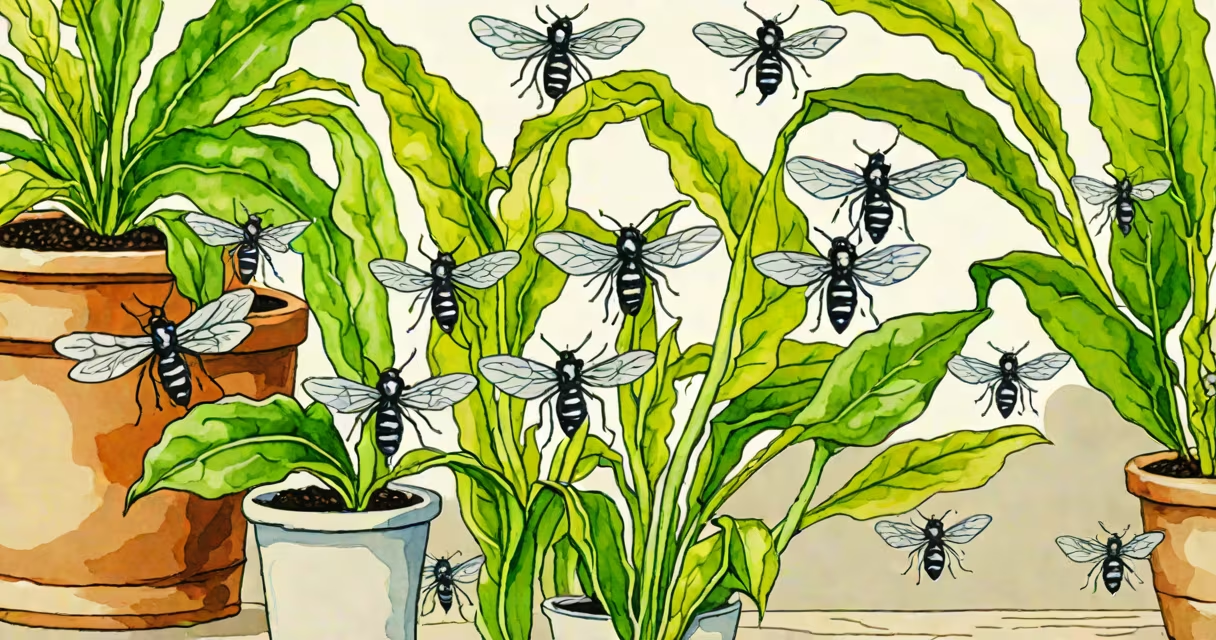
Gnats are small flying insects drawn to moist environments, decaying plant material, and fermenting sugars-commonly found in kitchens, bathrooms, and potted plants. They lay eggs in damp soil, overripe fruit, or standing water, leading to rapid population growth indoors.
These insects belong to several families, including fungus gnats (Sciaridae), drain flies (Psychodidae), and fruit flies (Drosophilidae). While they look similar, each has distinct breeding habits and preferred habitats. Fungus gnats thrive in wet potting soil, drain flies breed in plumbing traps, and fruit flies target ripening produce.
Understanding why gnats come around requires looking beyond surface appearances. They're not attracted to people-they're after food sources and breeding grounds. A single female can lay 100-200 eggs in moist soil, and larvae feed on fungi and plant roots, causing damage to seedlings and houseplants.
How Gnats Find Their Way Into Homes
Gnats enter homes through open windows, doors, or cracks. However, entry isn't the issue-it's the conditions inside that sustain them. Moisture is the primary driver. A potted plant left in a saucer with standing water creates ideal breeding space. So does a sink with a clogged drain or a compost bin near a kitchen window.
Fruit flies, a common type of gnat, detect ethanol and acetic acid-byproducts of fermentation-in overripe bananas, tomatoes, or spilled wine. One study found that Drosophila melanogaster, the model organism for fruit fly research, can locate fermenting fruit from over 10 meters away using olfactory receptors tuned to volatile compounds like ethyl acetate.
Even clean homes aren't immune. A 2021 study published in Journal of Economic Entomology showed that 68% of households with fruit fly infestations had no visible trash or food waste-indicating that hidden sources like drains or damp sponges were responsible.
Types of Gnats and What They're After
Different gnats have different triggers. The table below outlines key species, their typical habitats, and what attracts them.
| Type | Habitat | Attractant | Reproduction Site |
|---|---|---|---|
| Fungus gnat | Potted plants, greenhouses | Mold, decaying roots, wet soil | Moist potting mix |
| Drain fly | Bathrooms, kitchens, sewers | Organic buildup in pipes | Plumbing trap sludge |
| Fruit fly | Kitchens, pantries | Ripening fruit, alcohol, sugary spills | Overripe produce, fermenting liquids |
One non-obvious fact: fungus gnats don't bite humans or animals. Their larvae feed on fungi and root hairs, not blood. This often leads to confusion-people assume gnats are biting because they see them hovering near faces, but the insects are simply following scent trails from breath or sweat, not seeking to feed on skin.
Common Misconceptions About Gnat Infestations
Many assume gnats are a sign of poor hygiene. That's incorrect. A well-maintained home can still host gnats if conditions are right. For example, a bathroom with a slow-draining sink can harbor drain flies even if the floor is clean and the toilet is sealed.
Another myth: "Only dirty kitchens attract gnats." But fruit flies are drawn to the smell of fermenting sugar, not dirt. A study from the University of California, Davis, confirmed that fruit flies are equally attracted to clean, sealed containers of overripe fruit as they are to messy countertops.
I once observed a fruit fly outbreak in a lab where all surfaces were sterilized. The source was a single banana left in a drawer for five days. The flies emerged from eggs laid before the fruit was sealed. This shows that even minimal exposure to fermenting material can trigger infestations.
How to Stop Gnats From Coming Around
Eliminating gnats requires targeting their breeding sites, not just swatting adults. For fungus gnats, allow potting soil to dry between waterings. Use sticky traps to monitor populations. Replace soil in infested plants with sterile, pasteurized mix.
For drain flies, pour boiling water down drains weekly. Use enzyme-based drain cleaners to break down organic buildup. Avoid pouring grease or food scraps down sinks. A 2020 report from the Environmental Protection Agency noted that regular drain maintenance reduced drain fly incidence by 83% in residential buildings.
Fruit flies respond well to vinegar traps. Mix apple cider vinegar with a few drops of dish soap in a jar. Cover with plastic wrap and poke small holes. The soap breaks surface tension, trapping flies that land to feed. These traps catch up to 90% of adult fruit flies in 48 hours, according to a 2019 field trial by Cornell University Extension.
Prevention matters. Store ripe fruit in the refrigerator. Empty kitchen sinks daily. Check potted plants for signs of damp soil or mold. When in doubt, inspect under sink cabinets and behind appliances-hidden moisture sources are common.
Once the source is removed, gnats disappear within 10-14 days. Adults live 5-10 days, and complete life cycles take 10-14 days. Eliminating breeding sites cuts off reproduction, preventing resurgence.