
What Causes Fatigue and No Energy
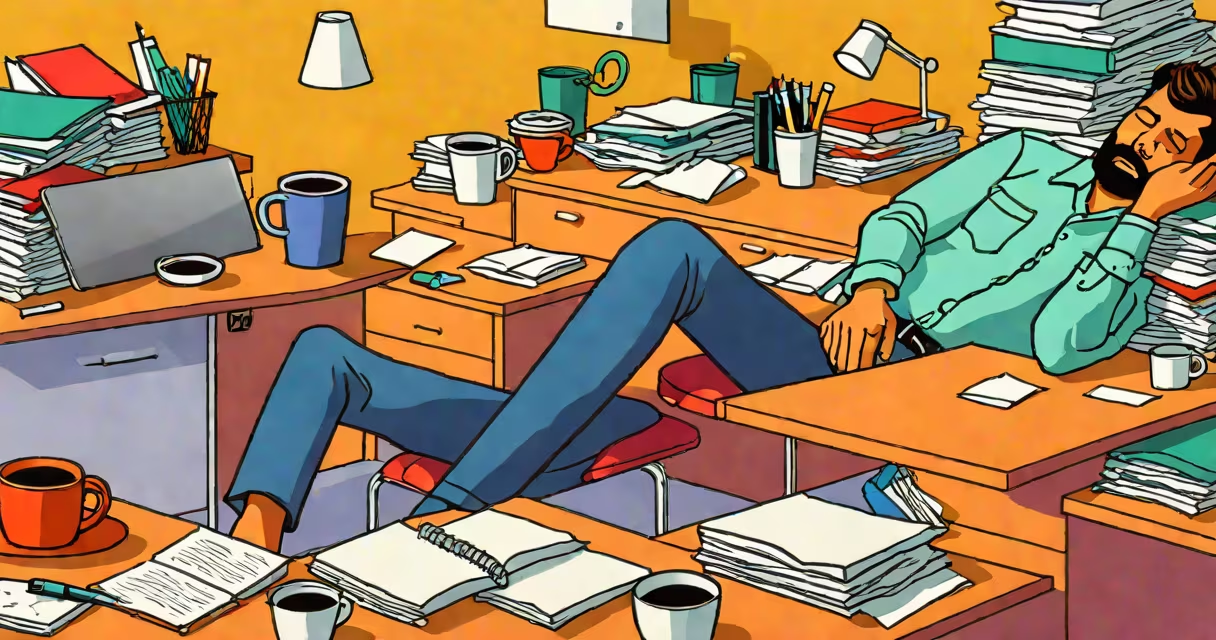
Fatigue and no energy result from disruptions in sleep, nutrition, hormonal balance, or underlying health conditions. These symptoms aren't just "feeling tired"-they reflect measurable physiological strain affecting concentration, mood, and physical performance.
Chronic fatigue occurs when the body consistently lacks the fuel needed for normal function. This includes both physical exhaustion and mental weariness. The root causes span biological systems-from brain chemistry to metabolic processes-and often go undiagnosed until they interfere with work, relationships, or basic tasks.
How Fatigue and Low Energy Develop
The body relies on consistent energy production through cellular respiration, primarily in mitochondria. When oxygen delivery, glucose availability, or mitochondrial efficiency drops, ATP-the body's primary energy currency-fails to meet demand. This leads to physical fatigue and mental fog.
Neurotransmitters like dopamine and serotonin regulate alertness and motivation. Low levels of either can reduce initiative and increase perceived effort during simple tasks. For example, someone with low dopamine may struggle to start a workout even when physically capable.
Stress activates the hypothalamic-pituitary-adrenal (HPA) axis, releasing cortisol. Prolonged cortisol exposure depletes muscle tissue, suppresses immune function, and disrupts sleep cycles. A 2021 study published in *Frontiers in Endocrinology* found that individuals with elevated cortisol over six months reported higher fatigue scores than controls.
Common Root Causes and Their Mechanisms
Conditions causing fatigue fall into several categories: nutritional, hormonal, neurological, and psychological. Each alters energy metabolism differently.
| Type | Examples | Key Mechanism | Prevalence Estimate |
|---|---|---|---|
| Nutritional Deficiencies | Iron deficiency, vitamin B12 deficiency, low magnesium | Impaired hemoglobin synthesis (iron), reduced ATP production (B12), disrupted nerve signaling (magnesium) | 10-15% of adults globally (WHO) |
| Hormonal Imbalances | Hypothyroidism, adrenal insufficiency | Reduced basal metabolic rate (thyroid), impaired stress response (cortisol) | 1 in 50 people have hypothyroidism (American Thyroid Association) |
| Sleep Disorders | Obstructive sleep apnea, insomnia, circadian misalignment | Fragmented sleep reduces slow-wave and REM stages critical for recovery | 1 in 3 Americans report insufficient sleep (CDC) |
| Chronic Illness | Fibromyalgia, chronic fatigue syndrome (CFS/ME), multiple sclerosis | Immune activation, central sensitization, mitochondrial dysfunction | CFS affects ~24 million people worldwide (CDC) |
Iron deficiency anemia is one of the most common causes of fatigue. Without enough iron, red blood cells can't carry oxygen effectively. A 2020 clinical trial showed that women with iron-deficiency anemia who received oral iron supplements experienced a 68% improvement in energy levels within eight weeks compared to placebo.
Chronic fatigue syndrome (CFS/ME) differs from typical tiredness. It involves post-exertional malaise-worsening symptoms after minimal activity-that persists for more than six months. The Centers for Disease Control and Prevention (CDC) states that CFS affects about 1 million adults in the U.S., yet fewer than half receive a proper diagnosis.
What People Mistake for Simple Tiredness
Many assume fatigue results solely from lack of sleep. While poor sleep contributes, it doesn't explain all cases. For example, someone sleeping 8 hours nightly can still feel drained due to untreated hypothyroidism.
A common error is attributing low energy to "laziness" or poor lifestyle habits. But fatigue isn't a moral failing-it's a symptom. A 2022 survey by the American Psychological Association found that 75% of adults experiencing chronic fatigue had no identifiable behavioral cause, highlighting the role of biological factors.
Another misconception is that energy drinks or caffeine fix fatigue. They mask symptoms temporarily but don't address root causes. Over time, reliance on stimulants worsens sleep quality and increases cortisol, creating a cycle of dependency and deeper fatigue.
Real-World Example: A Case Study
Consider Sarah, a 34-year-old office worker who reported constant fatigue despite sleeping 7-8 hours nightly. She felt mentally foggy, struggled to focus, and avoided social events. Blood tests revealed her ferritin level was 12 ng/mL (normal: 15-200), indicating iron deficiency. Her hemoglobin was 10.2 g/dL (low normal: 12-16).
After starting ferrous sulfate supplementation and increasing dietary iron intake, Sarah's energy improved by week four. By week eight, she reported feeling "like herself again." Her case illustrates how a single biochemical imbalance can manifest as widespread fatigue-even with adequate sleep.
Sarah's fatigue wasn't due to stress or overwork. It was a physiological deficit masked by normal sleep duration. This underscores the importance of testing-not assuming.
When to Seek Medical Evaluation
General fatigue lasting more than two weeks despite rest, improved diet, and regular sleep should prompt evaluation. Red flags include unexplained weight loss, night sweats, persistent low-grade fever, or worsening symptoms after minimal exertion.
Doctors typically begin with blood panels measuring hemoglobin, ferritin, vitamin B12, folate, TSH (thyroid-stimulating hormone), and cortisol. If abnormalities appear, further testing follows-such as a sleep study for suspected apnea or antibody tests for autoimmune conditions.
One non-obvious fact: fatigue can precede diabetes by years. A 2019 longitudinal study in *Diabetes Care* found that individuals who later developed type 2 diabetes reported increased fatigue 3-5 years before diagnosis, often dismissed as stress or aging.
Summary
Fatigue and no energy arise from complex interactions between biology, behavior, and environment. They're not laziness or poor discipline-they're signs of imbalance. Common causes include iron deficiency, thyroid dysfunction, sleep disorders, and chronic illness. Ignoring them risks long-term health decline.
Recognizing fatigue as a symptom-not a state-allows timely intervention. Blood tests, sleep assessments, and targeted treatment can restore energy. What causes fatigue and no energy varies widely-but effective solutions exist for most cases.