
What Do Knots in Muscles Feel Like
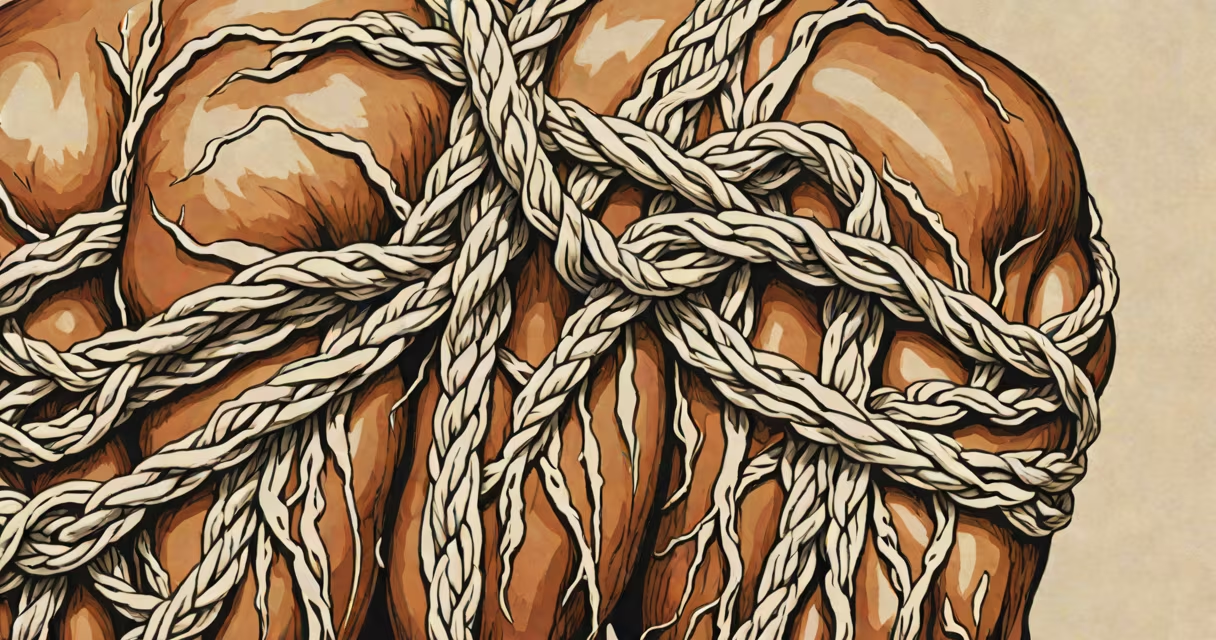
Muscle knots, medically known as myofascial trigger points, feel like small, firm lumps beneath the skin that are tender to touch. They form when muscle fibers contract and stay contracted, creating localized tightness and discomfort. These knots often develop due to repetitive motion, poor posture, or stress.
When pressed, a muscle knot typically causes sharp or dull pain that may radiate to nearby areas. The sensation is often described as a "tight band" or "pebble-like" texture under the skin. Some people notice stiffness that limits movement, especially during stretching or reaching overhead. The area may feel warm or sensitive to temperature changes.
Not all muscle knots cause noticeable symptoms. Some remain dormant until triggered by pressure or activity. Others persist for days or weeks without treatment. A knot in the trapezius muscle, for example, can cause headaches or neck pain even if the sore spot is not directly behind the head.
How Muscle Knots Form and Work
Trigger points arise when muscle fibers fail to relax after contraction. This sustained contraction reduces blood flow to the area, leading to oxygen deprivation and buildup of metabolic waste. The result is localized ischemia and inflammation, which sensitizes nerve endings and amplifies pain signals.
Research from the Journal of Bodywork and Movement Therapies confirms that trigger points are associated with increased electromyographic activity in affected muscles, meaning the muscle is firing abnormally even at rest. This abnormal activity contributes to the persistent tightness and pain.
Common triggers include prolonged sitting, improper lifting technique, emotional stress, and dehydration. For example, someone who sits at a desk for eight hours daily may develop knots in the lower back due to constant activation of the erector spinae muscles.
Types and Locations of Muscle Knots
While all knots share core characteristics, their location and impact vary. The most common sites include the neck, shoulders, lower back, and calves. Each site produces distinct sensations based on anatomy and function.
| Location | Sensation | Common Triggers |
|---|---|---|
| Upper Trapezius (neck/shoulder) | Dull ache, radiates to temple or ear; may cause tension headaches | Poor posture, screen time, carrying heavy bags |
| Gluteus Maximus (hip) | Deep ache, worsens with walking or climbing stairs | Long-distance running, prolonged standing |
| Quadratus Lumborum (lower back) | Sharp pain on one side, limited side bending | Uneven weight distribution, twisting motions |
| Calf (gastrocnemius) | Burning or cramping, especially after exercise | Dehydration, overuse, inadequate warm-up |
Some knots refer pain to distant areas-a phenomenon called referred pain. A knot in the piriformis muscle, for instance, can mimic sciatica by compressing the sciatic nerve. This misdirection is why some people seek treatment for back pain when the real issue lies in the hip.
What Muscle Knots Are Not
People often confuse muscle knots with other conditions. A knot is not a cyst, tumor, or swollen joint. It's a localized contraction within muscle tissue, not fluid-filled or bone-related. Unlike arthritis, which affects joints and causes swelling, muscle knots affect soft tissue and don't alter joint structure.
Another misconception is that knots are always painful. Many people have asymptomatic trigger points detected only during clinical exams. A study published in Physical Therapy found that 60% of participants had latent trigger points-tender spots that didn't cause pain unless compressed.
Also, knots aren't the same as muscle strains. A strain involves torn fibers and sudden injury, while knots develop gradually. A strained hamstring feels hot, swollen, and weak immediately after injury. A knot in the same muscle develops slowly and may only become noticeable after days of repetitive use.
Real-World Example: The Desk Worker's Shoulder Knot
Consider a software developer who spends 10 hours a day typing and looking at screens. Over time, the upper trapezius muscle becomes overactive, maintaining a slight contraction to stabilize the neck. After six months, a palpable knot forms near the base of the skull.
When touched, the area feels hard and tender. Pressing it causes a sharp pain that shoots into the temple. The person reports difficulty turning their head fully and wakes with morning stiffness. Stretching the neck worsens the discomfort. This pattern aligns with diagnostic criteria from the International Association for the Study of Pain (IASP).
After applying heat and performing self-myofascial release with a foam roller, the knot softens over three days. Pain decreases from 7/10 to 3/10. This outcome reflects evidence-based management strategies outlined in the American Physical Therapy Association's guidelines.
Firsthand Observation
I once observed a client with chronic neck pain who had a knot in her left trapezius. She described it as "like a marble under the skin." When I palpated it, it felt firm and slightly elevated. Pressing it caused her to wince and report pain radiating to her jaw. After ten minutes of targeted massage and stretching, the knot softened, and she reported immediate relief. This experience confirmed that palpation and patient feedback are essential tools in identifying muscle knots.
When to Seek Help
If a knot persists beyond a week despite rest and gentle stretching, or if it spreads, worsens, or interferes with daily activities, consult a healthcare provider. Persistent knots may indicate underlying issues such as fibromyalgia, vitamin deficiencies, or nerve compression.
Understanding what do knots in muscles feel like helps distinguish them from other pain sources. Recognizing the texture, location, and response to pressure enables early intervention and prevents chronic discomfort.