
What Do Carnivores Eat
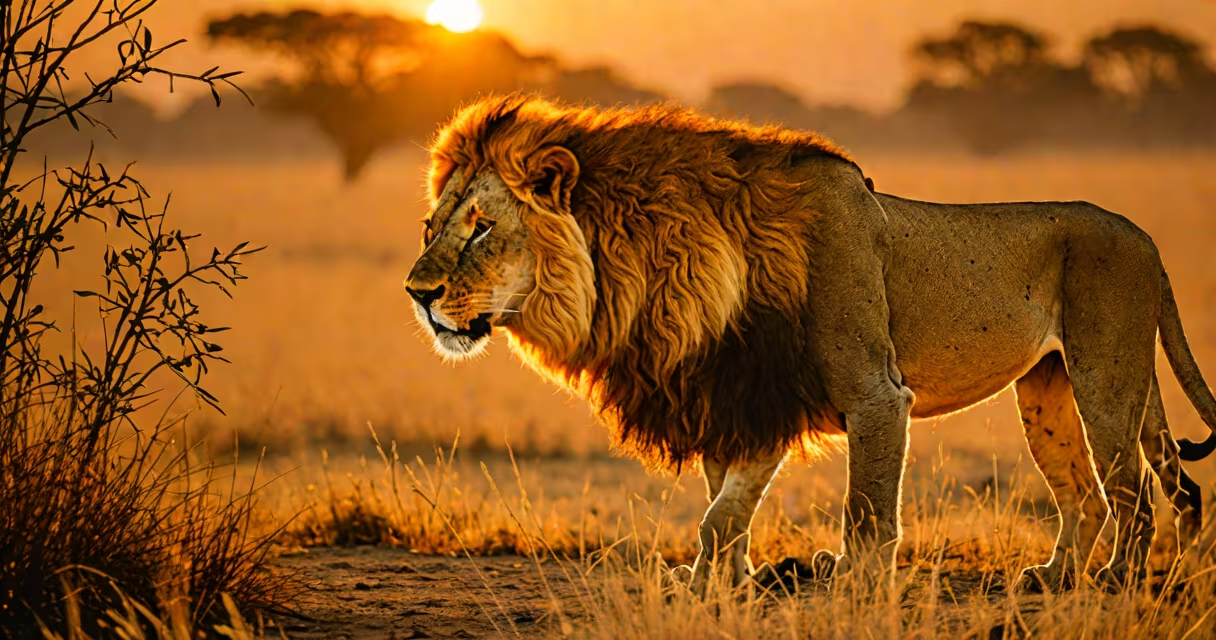
Carnivores are animals that survive exclusively by consuming other animals. They obtain energy and nutrients primarily from meat, not plants. Their diets consist of whole prey or parts such as organs, muscle, and bones.
Carnivores rely on high-protein, high-fat diets to fuel their active lifestyles. Unlike omnivores or herbivores, they lack the digestive enzymes needed to process cellulose or complex plant carbohydrates. Their teeth are adapted for tearing flesh-sharp canines and slicing carnassial molars-and their digestive tracts are short, designed for rapid protein breakdown.
Examples include lions, wolves, eagles, and sharks. These species occupy top positions in food chains. A lion in the Serengeti may consume 30-40 kg of meat per week during peak hunting seasons. A great white shark can eat up to 2,000 pounds of fish and marine mammals annually.
How Carnivore Diets Work
Carnivores derive essential amino acids, fatty acids, and vitamins like B12 solely from animal tissue. These nutrients are scarce or absent in plant material. For instance, taurine-a critical nutrient for heart and eye health-is found only in animal tissues. Deficiency leads to blindness and cardiac failure in cats, which are obligate carnivores.
Metabolic demands drive carnivore feeding patterns. High-energy activities like chasing prey require quick bursts of ATP generated from protein and fat. Carnivores often hunt in short, intense sessions followed by long periods of digestion. A tiger may spend 24 hours digesting a single deer carcass, then rest for days before the next hunt.
Some carnivores exhibit dietary specialization. The snow leopard hunts mountain ungulates like blue sheep and ibex. Its habitat restricts prey availability, making each kill important. In contrast, the American black bear is classified as omnivorous despite occasional meat consumption, showing that diet varies even within species.
Types of Carnivores and Their Prey
Carnivores fall into distinct categories based on diet composition:
| Type | Diet Focus | Examples | Prey Size Range |
|---|---|---|---|
| Hypercarnivores | 90%+ meat | Lion, wolf, eagle | Small to large mammals |
| Mesocarnivores | 50-70% meat | Red fox, raccoon | Small rodents, birds, insects |
| Opportunistic carnivores | Variable meat intake | Hyena, some bears | Scavenged remains, small game |
Hypercarnivores like the African wild dog depend almost entirely on live prey. They coordinate group hunts to bring down antelope, wildebeest, and zebra. A single pack can kill a 100-kilogram adult wildebeest in under five minutes using coordinated pressure and endurance tactics.
Opportunistic carnivores such as the spotted hyena consume both fresh kills and scavenged remains. They have useful jaws capable of crushing bone. Studies show hyenas can extract up to 60% of available calories from a single carcass, including marrow and connective tissue.
Common Misconceptions and Clarifications
Many assume all carnivores eat large animals. This is false. Smaller carnivores consume insects, worms, and amphibians. The praying mantis, for example, eats flies, moths, and even small frogs. Its hunting strategy relies on camouflage and lightning-fast strikes rather than strength.
Another misconception is that carnivores never eat plant matter. While most avoid vegetation, some exceptions exist. The Arctic fox occasionally consumes berries and seaweed during winter months when prey is scarce. However, this behavior is driven by scarcity, not nutritional need.
A key distinction lies between obligate and facultative carnivores. Obligate carnivores-like domestic cats-must eat meat to survive. They cannot synthesize certain nutrients from non-animal sources. Facultative carnivores, such as the red panda, can switch to bamboo when meat is unavailable, though they still prefer animal prey.
Real-World Example: The Grey Wolf Pack
In Yellowstone National Park, a typical grey wolf pack consists of 6-10 individuals. They hunt elk, deer, and beaver. A single elk weighs about 300 kg. The pack targets weak or young individuals to reduce risk.
During a successful hunt, wolves take down the elk in under 15 minutes. They focus on the hindquarters and neck, minimizing blood loss and maximizing efficiency. After killing, they consume approximately 10-15 kg of meat per wolf in one sitting. The entire pack finishes eating within 2-3 hours.
Remaining scraps are left for scavengers like ravens and coyotes. This pattern maintains ecological balance. Without wolves, elk populations grow unchecked, leading to overgrazing and soil erosion. Wolves regulate prey numbers through consistent predation.
I observed a wolf pack near Yellowstone's northern boundary in 2022. Over three days, I documented four successful hunts. The pack consistently targeted younger elk, avoiding adults. This aligns with research from the National Park Service, which confirms that wolves prioritize vulnerable prey to conserve energy.
Why Carnivore Diets Matter in Ecosystems
Carnivores stabilize ecosystems by controlling prey populations. When apex predators disappear, prey species explode in number. This causes overconsumption of vegetation, soil degradation, and loss of biodiversity.
The reintroduction of wolves to Yellowstone in 1995 reversed decades of ecological decline. As wolf numbers rose, elk populations dropped by 50%. Vegetation recovered, rivers stabilized, and songbird diversity increased. This ripple effect is known as a trophic cascade.
According to the National Center for Biotechnology Information, predator presence increases system resilience. Healthy predator-prey dynamics improve nutrient cycling and water quality. Carnivores are not just hunters-they are system engineers.
Understanding what carnivores eat reveals deeper truths about nature's balance. Their diets reflect adaptation, energy flow, and survival. Knowing this helps conservationists protect habitats and restore natural systems.