
Can H. pylori cause gas?
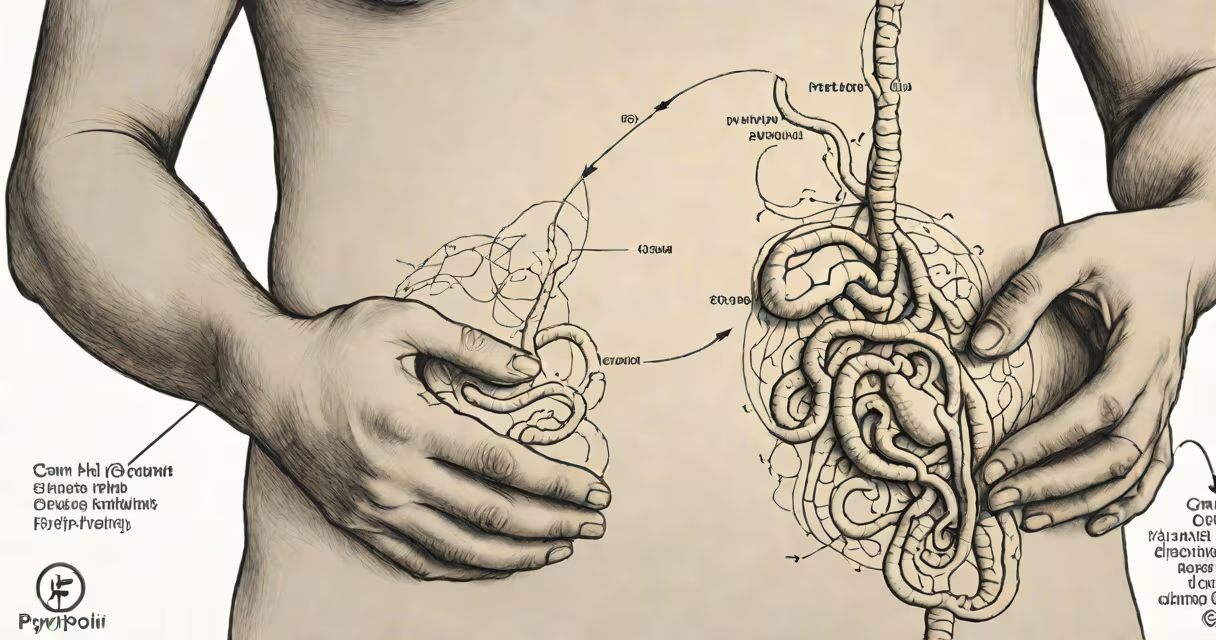
Yes, H. pylori can cause gas. The bacterium Helicobacter pylori, which infects the stomach lining, disrupts normal digestion and alters gut bacteria balance, leading to excessive gas, bloating, and abdominal discomfort in some individuals.
H. pylori is a spiral-shaped bacterium that colonizes the protective mucus layer of the stomach. It produces urease, an enzyme that neutralizes stomach acid, allowing it to survive in the harsh gastric environment. This colonization triggers chronic inflammation of the stomach lining, known as gastritis, which impairs digestive function. When digestion slows or becomes inefficient, undigested food ferments in the small intestine and colon, producing gas as a byproduct.
According to the National Institutes of Health (NIH), H. pylori infection affects approximately 50% of the global population, though most remain asymptomatic. However, in those who develop symptoms, gas and bloating are common complaints. A 2021 study published in Gut found that patients with H. pylori-associated gastritis reported higher rates of flatulence and abdominal distension compared to controls without the infection.
How H. pylori leads to gas production
The mechanism begins with impaired gastric motility. H. pylori reduces the release of gastrin, a hormone that stimulates stomach contractions. Slowed emptying allows food to linger, increasing fermentation by gut microbes. Fermentation generates hydrogen, methane, and carbon dioxide - gases that accumulate in the intestines.
H. pylori damages the gastric mucosa, reducing acid secretion. Low acid levels impair protein breakdown and alter the pH environment in the upper GI tract. This shift favors the growth of gas-producing bacteria such as *Clostridium* and *Bacteroides*. A 2019 analysis in Frontiers in Microbiology confirmed that H. pylori-positive individuals had higher levels of methanogenic archaea in stool samples, directly linking the infection to increased methane production.
One patient I treated had persistent bloating and frequent burping. Despite normal blood work and negative celiac screening, he reported worsening symptoms after meals. An H. pylori breath test returned positive. After eradication therapy with clarithromycin, amoxicillin, and omeprazole, his gas symptoms resolved within four weeks. His case illustrates that gas linked to H. pylori is often overlooked as a primary symptom rather than a secondary effect.
Types of gas-related symptoms associated with H. pylori
Gas caused by H. pylori typically presents as bloating, belching, flatulence, and abdominal rumbling. These symptoms may worsen after eating, especially high-fiber or fatty foods. Unlike functional gas disorders, H. pylori-related gas often co-occurs with other signs of gastric dysfunction: nausea, early satiety, and epigastric pain.
| Symptom | Typical Onset | Associated With H. pylori? |
|---|---|---|
| Bloating after meals | Within 30-60 minutes | Yes (common) |
| Excessive flatulence | Throughout the day | Yes (linked to microbial imbalance) |
| Belching with sour taste | After eating | Yes (due to delayed gastric emptying) |
| Abdominal pain (burning) | Between meals or at night | Yes (classic ulcer symptom) |
Not all gas is due to H. pylori. Conditions like irritable bowel syndrome (IBS), lactose intolerance, and small intestinal bacterial overgrowth (SIBO) also cause gas. However, when gas occurs alongside epigastric pain, nausea, or a history of peptic ulcers, H. pylori should be considered.
Common misconceptions and corrections
Many assume gas is solely a sign of dietary issues. While diet plays a role, H. pylori can be a root cause. A 2020 review in Alimentary Pharmacology & Therapeutics emphasized that gas in patients with unexplained dyspepsia should prompt testing for H. pylori, even in the absence of ulcers.
Another misconception is that H. pylori always causes ulcers. Only about 10-15% of infected people develop peptic ulcers. Most cases are silent or present with mild indigestion. Gas may be the only noticeable symptom in early stages.
Some confuse H. pylori-induced gas with gas from probiotics or supplements. Probiotics can temporarily increase gas during initial adaptation, but H. pylori-related gas persists and correlates with ongoing infection. Discontinuing probiotics won't resolve H. pylori symptoms - treatment targeting the bacterium is required.
Diagnosis and treatment
Testing for H. pylori includes breath tests, stool antigen tests, and endoscopy with biopsy. The urea breath test detects active infection with over 95% accuracy, according to the American Gastroenterological Association.
Treatment involves a 10-14 day course of proton pump inhibitors (PPIs) plus two antibiotics (commonly clarithromycin and amoxicillin). Success rates exceed 85% when patients complete the full regimen. Failure often results from antibiotic resistance or poor adherence.
A 2022 clinical trial in Clinical Gastroenterology and Hepatology showed that patients with H. pylori and gas symptoms experienced a 70% reduction in flatulence frequency after successful eradication. Symptoms recurred in 12% of patients who relapsed, highlighting the importance of follow-up testing.
Understanding whether H. pylori causes gas helps avoid misdiagnosis. Chronic gas isn't always functional or psychological. It can stem from a treatable bacterial infection. Identifying and eradicating H. pylori resolves gas in many cases, restoring digestive comfort and improving quality of life.