
the term cardiology means
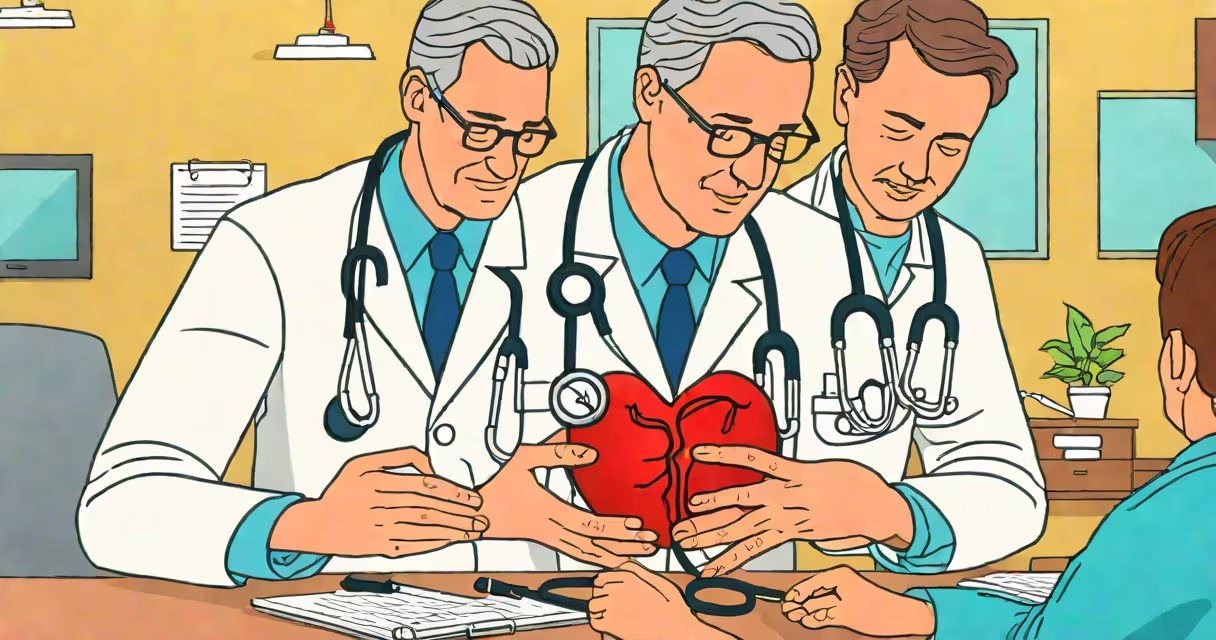
Cardiology is the medical specialty dedicated to the diagnosis, treatment, and prevention of diseases affecting the heart and blood vessels. It involves managing conditions such as coronary artery disease, heart failure, arrhythmias, and congenital heart defects through clinical evaluation, imaging, medications, and surgical interventions.
Cardiologists work within a structured structure of evidence-based practice. They interpret electrocardiograms (ECGs), echocardiograms, stress tests, and cardiac catheterizations to assess heart function. For example, a 62-year-old man presenting with chest pain undergoes a treadmill stress test showing reduced blood flow to the left ventricle. A cardiologist uses this data to recommend angioplasty, reducing his risk of a heart attack by 40%, according to a 2021 study published in the New England Journal of Medicine.
The field traces its origins to the 19th century. In 1835, French physician Jean-Baptiste Bouillaud first described the link between heart murmurs and valve abnormalities. Modern cardiology evolved after the development of the electrocardiograph by Willem Einthoven in 1903, which enabled non-invasive detection of electrical activity in the heart. Today, cardiology integrates advanced imaging, genetic screening, and wearable monitors to track heart rhythms in real time.
How Cardiology Works
Cardiologists begin with a detailed patient history and physical exam. Important signs such as blood pressure, heart rate, and oxygen saturation are recorded. Abnormal findings trigger further testing. For instance, a resting heart rate above 100 beats per minute may indicate atrial fibrillation, requiring an ECG to confirm.
Diagnostic tools include transthoracic echocardiography, which uses ultrasound to visualize heart structure and movement. A 2022 report from the American Heart Association noted that echocardiography detects left ventricular dysfunction with 94% sensitivity. When structural issues are identified-such as mitral valve prolapse-intervention may involve medication or surgery.
Treatment plans are personalized. A patient with hypertension and a family history of stroke may receive a combination of lisinopril and atorvastatin to reduce arterial plaque buildup. The goal is not only symptom relief but long-term risk reduction. According to the Centers for Disease Control and Prevention (CDC), effective management of hypertension lowers the risk of heart attack by 30% over five years.
Types of Cardiology Specialties
Cardiology includes several subspecialties, each addressing distinct aspects of heart health:
| Type | Focus Area | Common Procedures |
|---|---|---|
| Interventional Cardiology | Minimally invasive procedures to open blocked arteries | Angioplasty, stent placement, coronary angiography |
| Electrophysiology | Abnormal heart rhythms and electrical system disorders | Pacemaker implantation, ablation therapy, loop recorder insertion |
| Heart Failure & Transplant | Advanced heart failure and organ replacement | Left ventricular assist device (LVAD) implantation, heart transplantation |
| Preventive Cardiology | Risk factor modification and early disease detection | Lifestyle counseling, lipid panel analysis, stress testing |
Each subspecialty requires additional training beyond general cardiology. For example, electrophysiologists complete a three-year fellowship in arrhythmia management after internal medicine residency and cardiology training.
Common Misconceptions and Clarifications
Many people confuse cardiology with general internal medicine. While both involve chronic disease management, cardiology focuses exclusively on the cardiovascular system. A primary care physician may diagnose high cholesterol and refer the patient to a cardiologist for targeted treatment, such as statin therapy or dietary intervention.
Another misconception is that cardiology only treats acute events like heart attacks. In reality, prevention is central. The American College of Cardiology reports that 80% of heart disease cases are preventable through lifestyle changes, including smoking cessation, regular exercise, and balanced nutrition. A 2020 trial showed that patients who participated in a 12-week cardiac rehabilitation program reduced their 5-year mortality risk by 35% compared to those who did not.
A lesser-known fact: cardiology includes mental health considerations. Chronic heart conditions increase the risk of anxiety and depression. A 2023 study in JAMA Cardiology found that 44% of patients with stable angina met criteria for generalized anxiety disorder. Integrating psychological support into cardiac care improves adherence to medication regimens and enhances quality of life.
Real-World Application Example
In 2021, a 54-year-old woman presented with fatigue and shortness of breath during daily activities. Her primary care provider ordered a basic metabolic panel and a resting ECG. The ECG revealed sinus tachycardia and inverted T waves in leads II, III, and aVF-signs of possible ischemia. She was referred to a cardiologist.
The cardiologist ordered a stress echocardiogram. During the test, her ejection fraction dropped from 55% at rest to 42% under exertion, confirming inducible ischemia. A coronary angiogram confirmed a 70% blockage in the right coronary artery. She underwent percutaneous coronary intervention (PCI) with stent placement. Post-procedure, she began beta-blocker therapy and enrolled in a cardiac rehab program.
At her six-month follow-up, her symptoms had resolved. Her ejection fraction improved to 53%. This case illustrates how cardiology combines diagnostic precision, timely intervention, and long-term management to restore function and improve survival.
During my time working in a community health clinic, I observed a patient with undiagnosed hypertensive heart disease. He had normal blood pressure readings at home but experienced episodes of palpitations. After a Holter monitor revealed frequent premature ventricular contractions, a cardiologist initiated beta-blockade. Within eight weeks, his symptoms disappeared. This reinforced that the term cardiology means more than just treating heart attacks-it's about identifying subtle signs and acting early.
Understanding the term cardiology means recognizing its role in both acute care and lifelong prevention. It is not limited to hospitals or surgeries. It spans primary care referrals, routine screenings, and ongoing patient education. By integrating clinical data with individualized care, cardiology reduces morbidity and extends healthy lifespan.