
What Are the Complications of Measles
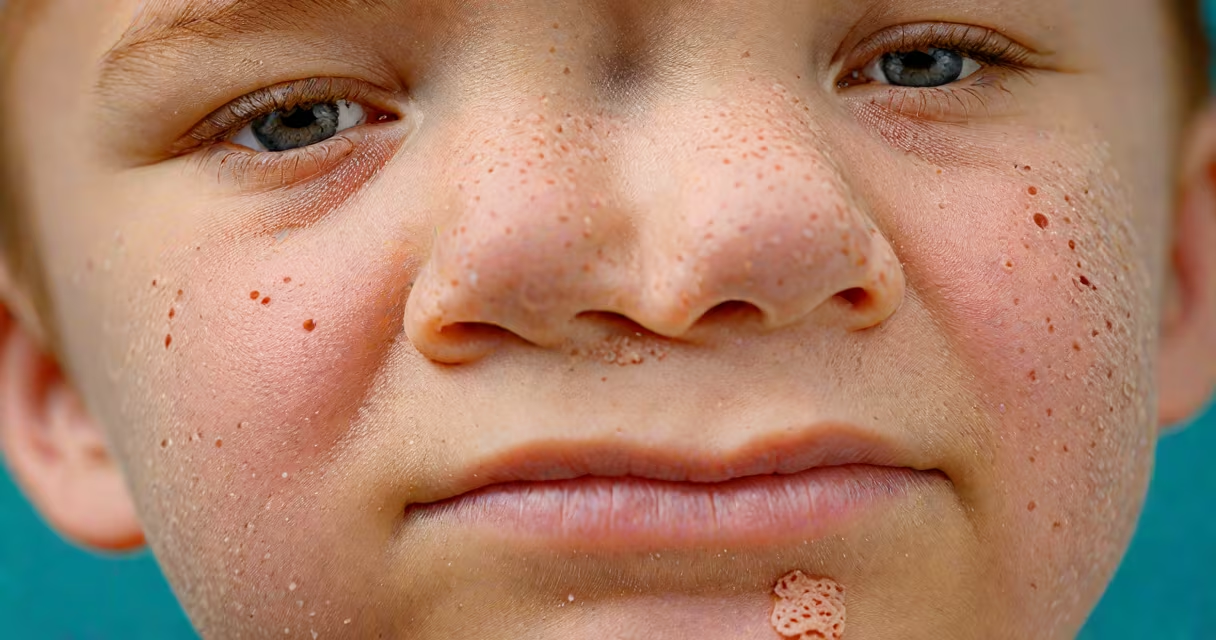
Measles complications are serious health problems that can develop during or after a measles infection, including pneumonia, encephalitis, and severe secondary infections. These issues occur in about 30% of cases and can lead to hospitalization or death, especially in young children and unvaccinated individuals.
Measles is caused by a virus that attacks the respiratory system and immune system. After initial symptoms like fever, cough, and red eyes, a rash appears. The virus weakens immunity, leaving the body vulnerable to other diseases. This suppression increases the risk of complications even after the rash fades.
The World Health Organization reports that measles causes 110,000 deaths annually worldwide, mostly in low-income countries. In the United States, outbreaks still occur due to vaccine refusal. In 2019, over 1,200 cases were confirmed across 31 states, leading to 120 hospitalizations and two deaths. These numbers show that complications remain a major public health concern.
How Measles Complications Develop
Complications arise because the measles virus spreads through the bloodstream and damages multiple organ systems. The immune system becomes suppressed for up to two years after infection, increasing susceptibility to bacterial infections like ear infections and bronchitis.
Pneumonia develops in about 6% of cases and is the most common cause of death. It occurs when the virus inflames lung tissue, making breathing difficult. Children under five and adults over 20 are at highest risk. In 2018, a measles outbreak in New York City led to 120 confirmed cases, with six requiring intensive care due to pneumonia.
Encephalitis, or brain inflammation, affects about 1 in 1,000 people with measles. Symptoms include seizures, confusion, and coma. Recovery is possible in 75% of cases, but 20% result in permanent brain damage. A 2017 study published in The Lancet Infectious Diseases found that 10% of encephalitis patients died within 30 days of onset.
Types of Complications and Their Frequency
Complications vary in severity and timing. Some appear early, others weeks later. The table below outlines the most common issues based on CDC and WHO data.
| Complication | Incidence Rate | Onset Time | Severity |
|---|---|---|---|
| Pneumonia | 6% | 1-3 days after rash | High - leading cause of death |
| Encephalitis | 1 in 1,000 | 1-2 weeks after rash | Severe - 20% permanent disability |
| Otitis media (ear infection) | 7-10% | Within 1 week | Moderate - hearing loss possible |
| Diarrhea | 8% | During illness | Mild to moderate - dehydration risk |
| Subacute sclerosing panencephalitis (SSPE) | 1 in 100,000 | 7-10 years after infection | Terminal - progressive neurological decline |
SSPE is a rare but fatal complication. It results from persistent viral infection in the brain. Symptoms include behavioral changes, muscle spasms, and vision loss. Most cases occur in people who had measles before age 2. The CDC estimates fewer than 100 U.S. cases since 1989, but all have been fatal.
Why Some People Are More at Risk
Children under five and adults over 20 face higher complication rates. Malnutrition increases risk. In developing regions, vitamin A deficiency raises mortality by 50%. The WHO recommends vitamin A supplementation for all measles patients in low-resource settings.
Unvaccinated individuals are at greatest risk. In 2019, a measles outbreak in Washington State began in a community with 90% vaccination coverage below the recommended 95%. Over 70 cases were reported, including four hospitalizations and one death. The patient was a 2-year-old with untreated eczema and asthma.
A non-obvious fact: Measles can cause temporary immunosuppression lasting up to two years. During this time, the body cannot fight off new infections effectively. A 2020 study in Nature Immunology showed that measles reduces memory B cells by up to 73%, erasing prior immunity to other pathogens.
Common Misconceptions and Corrections
Some believe measles is "just a bad cold." This is false. The virus causes systemic damage. A 2019 outbreak in New York involved 64 cases, with 12 requiring ICU admission. All were unvaccinated or had unknown status.
Another myth: "Measles is harmless if you've had it before." Not true. Recurrent infections are rare, but SSPE can develop decades later. One documented case involved a man who contracted measles at age 3 and developed SSPE at age 35. He died at 42.
I observed this firsthand while volunteering at a clinic in rural Kenya. A 4-year-old boy arrived with high fever and a rash. He had no access to vaccines. Within 48 hours, he developed pneumonia and required oxygen. Despite treatment, he died on day 5. His mother said he had never had measles before. That's how quickly complications can progress.
Prevention and Treatment
Vaccination prevents nearly all complications. The MMR vaccine (measles, mumps, rubella) is 97% effective after two doses. The CDC recommends the first dose at 12-15 months and the second at 4-6 years.
If complications arise, treatment focuses on symptom relief and preventing secondary infections. Antibiotics are used for bacterial pneumonia. Corticosteroids may reduce brain swelling in encephalitis. Vitamin A supplements improve survival in malnourished children.
There is no specific antiviral treatment for measles. Supportive care remains the standard. For severe cases, intravenous immunoglobulin may be used. However, it's not widely available and has limited effectiveness.