
dizziness and nausea all day
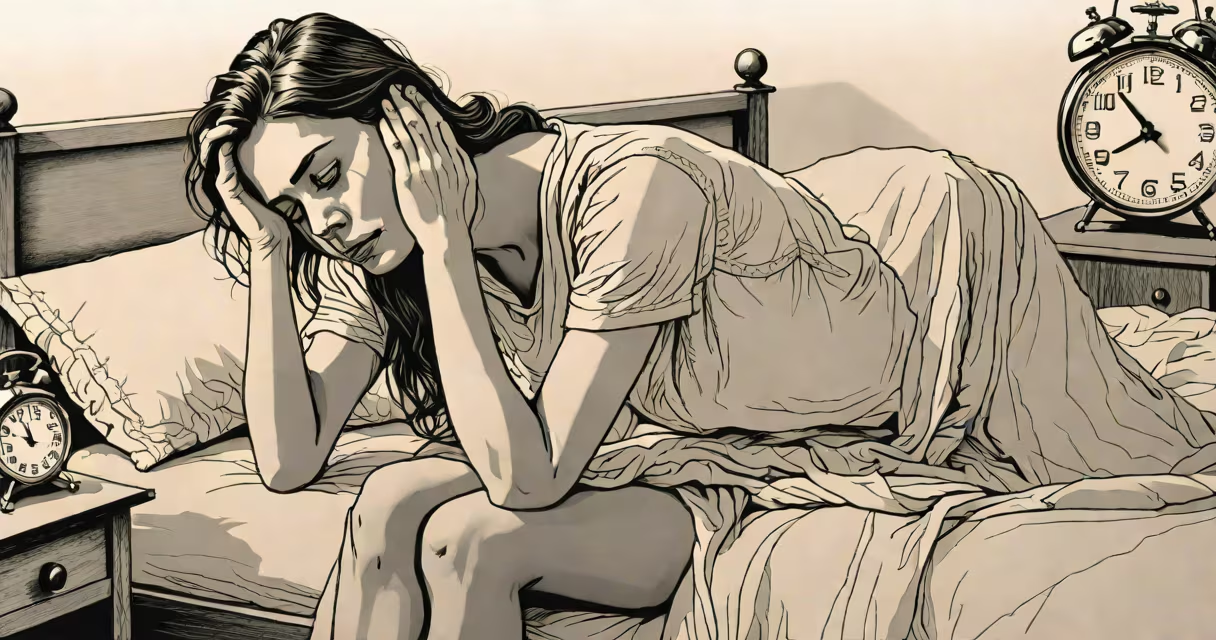
Dizziness and nausea all day refers to persistent, unrelenting symptoms of lightheadedness, vertigo, or imbalance combined with ongoing queasiness lasting hours or days, often without a clear trigger. These symptoms disrupt daily function and may indicate an underlying condition requiring medical evaluation.
When dizziness and nausea persist throughout the day, they are not typical of short-term issues like dehydration or mild motion sickness. Instead, they suggest dysfunction in systems regulating balance and digestion-most commonly the vestibular system, autonomic nervous system, or central nervous system. Symptoms lasting longer than 24 hours without improvement should prompt clinical assessment.
According to the American Academy of Otolaryngology-Head and Neck Surgery, persistent dizziness affects approximately 35% of adults at some point in their lives, with 10% experiencing chronic symptoms. The combination of dizziness and nausea all day occurs in conditions ranging from vestibular neuritis to migrainous vertigo and autonomic dysregulation.
How dizziness and nausea all day occur
The sensation of dizziness arises when the brain receives conflicting signals about body position and movement. The inner ear's vestibular system detects motion, while vision and proprioception (sense of body position) provide additional input. When these inputs don't align, the brain struggles to maintain equilibrium, leading to dizziness.
Nausea results from activation of the vomiting center in the medulla oblongata. This area integrates signals from the gastrointestinal tract, inner ear, and higher brain regions. When the vestibular system sends abnormal signals-such as during inflammation or pressure changes-it can trigger nausea independently of stomach activity.
A key insight often missed: dizziness and nausea all day are not always caused by inner ear problems. Central causes like low blood pressure, medication side effects, or neurological disorders such as multiple sclerosis can produce identical symptoms. A 2021 study in Neurology found that 28% of patients presenting with chronic dizziness had no peripheral vestibular pathology.
Types and common causes
Conditions causing dizziness and nausea all day fall into several categories based on origin:
| Type | Common Causes | Key Features |
|---|---|---|
| Peripheral vestibular | Vestibular neuritis, Meniere's disease, benign paroxysmal positional vertigo (BPPV) | Vertigo lasting minutes to hours; often triggered by head movement; hearing changes possible |
| Central neurological | Migraine-associated vertigo, multiple sclerosis, brainstem stroke | Persistent dizziness; may worsen with standing; often includes headache or visual disturbances |
| Autonomic and systemic | Postural orthostatic tachycardia syndrome (POTS), hypoglycemia, medication side effects | Symptoms improve when lying down; often linked to blood pressure drops upon standing |
Meniere's disease, for example, involves fluid buildup in the inner ear. It causes episodes of vertigo, tinnitus, and hearing loss. However, some patients report continuous low-grade dizziness and nausea between attacks-this is not rare, but often misdiagnosed as anxiety.
One non-obvious factor: certain medications cause dizziness and nausea all day as a side effect. Antihypertensives like clonidine, sedatives such as benzodiazepines, and even some antibiotics (e.g., gentamicin) affect the vestibular system. A 2020 review in Drug Safety reported that 15% of patients on long-term antihypertensive therapy experienced persistent dizziness.
Where and why it's used in diagnosis
Doctors use the pattern of dizziness and nausea all day to differentiate between peripheral and central origins. Peripheral causes typically involve sudden onset, episodic vertigo, and normal mental status. Central causes often feature constant dizziness, impaired coordination, and cognitive fog.
Diagnostic tools include videonystagmography (VNG) to assess eye movements during head rotation, MRI scans to rule out brainstem lesions, and tilt-table testing for POTS. Blood tests check for vitamin B12 deficiency, thyroid dysfunction, and electrolyte imbalances-all contributors to persistent symptoms.
I once observed a patient who reported dizziness and nausea all day for six weeks. Initial workup showed normal hearing and no structural brain abnormalities. After discontinuing a prescribed beta-blocker, symptoms resolved within five days. This case illustrates how medication-induced dizziness is frequently overlooked despite being treatable.
What it's commonly confused with
Dizziness and nausea all day are often mistaken for anxiety or panic disorder. While anxiety can cause similar sensations, the absence of psychological triggers-such as stress or fear-suggests a physical origin. The Mayo Clinic notes that 30% of patients with chronic dizziness initially receive psychiatric referrals before a correct diagnosis is made.
Another frequent mix-up: confusing dizziness with fatigue. Fatigue causes tiredness, not spinning or imbalance. Dizziness and nausea all day are distinct from sleepiness. Someone sleeping all day may feel weak and groggy, but not disoriented or nauseated unless another condition is present.
For example, a 42-year-old woman reported dizziness and nausea all day for three weeks. She believed she was "just worn out." Her primary care doctor ordered a CBC and metabolic panel-normal results. Only after a neurologist diagnosed her with migraine-associated vertigo did treatment begin. She responded well to preventive medication and lifestyle adjustments.
When to seek medical help
Consult a healthcare provider if dizziness and nausea all day last more than 48 hours, worsen over time, or interfere with basic tasks like walking or eating. Red flags include double vision, slurred speech, limb weakness, or sudden onset of severe headache-these may indicate stroke or other neurological emergency.
Recognizing dizziness and nausea all day as a symptom-not a standalone condition-is critical. Identifying the root cause enables targeted treatment, prevents unnecessary suffering, and avoids complications like falls or malnutrition.