
What Is the Reason for Muscle Stiffness
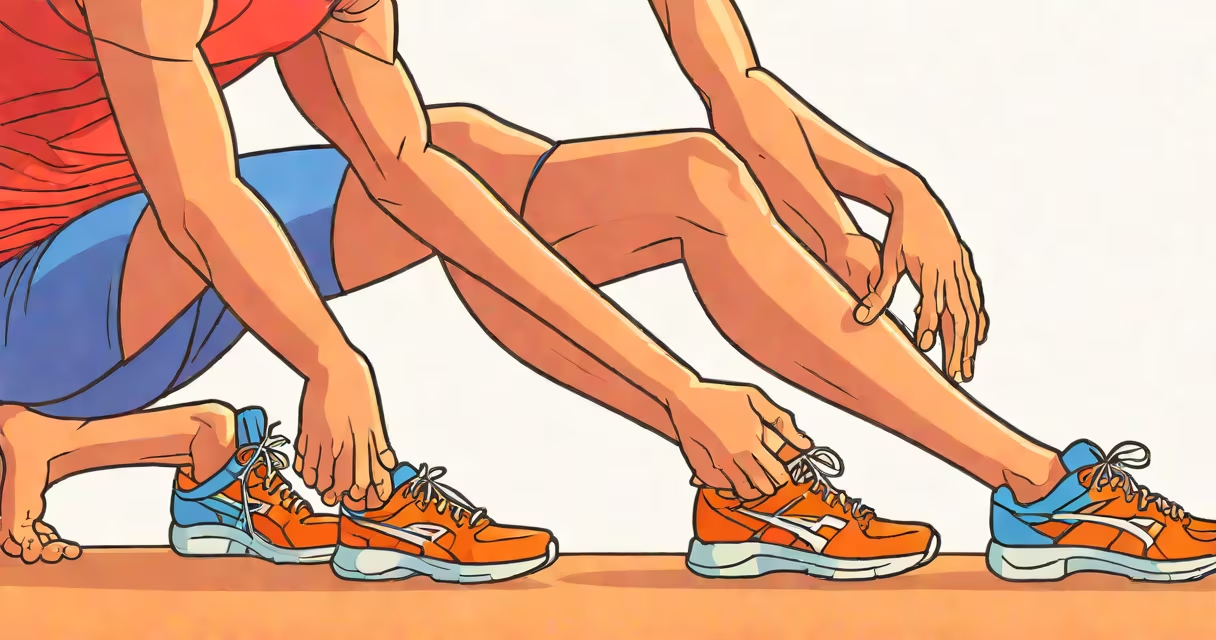
Muscle stiffness results from inflammation, metabolic stress, or disrupted nerve signaling following physical activity, dehydration, or prolonged inactivity. It's not simply "tight muscles" - it's a physiological response involving micro-tears, fluid shifts, and altered neuromuscular control.
Stiffness typically appears 6-12 hours after exercise, peaks around 24-48 hours, and resolves within 72 hours. This pattern aligns with delayed onset muscle soreness (DOMS), a well-documented phenomenon confirmed by research from the University of California, San Diego, which found that muscle stiffness correlates with elevated levels of inflammatory markers like IL-6 and TNF-alpha in the bloodstream.
Unlike acute pain from injury, stiffness is often dull, persistent, and worsens with movement. It's not a warning sign of damage but rather a normal adaptation process. The body repairs micro-tears in muscle fibers through satellite cell activation and collagen remodeling - a process that temporarily reduces elasticity and increases resistance to stretch.
How Muscle Stiffness Develops
When muscles contract repeatedly or under load, small tears form in the sarcomeres - the basic units of muscle tissue. These tears trigger localized inflammation, drawing immune cells to the area. As cytokines flood the region, swelling occurs, compressing nerve endings and increasing sensitivity to stretch.
Dehydration exacerbates this effect. A 2% drop in body water reduces plasma volume, limiting oxygen delivery and impairing waste removal. This leads to higher concentrations of lactic acid and potassium ions in the extracellular space, disrupting calcium ion release from the sarcoplasmic reticulum - a key step in muscle relaxation.
Neuromuscular fatigue also plays a role. After intense effort, motor neurons fire less efficiently. The brain sends incomplete signals to muscles, causing partial contractions that don't fully relax. This sustained tension contributes to the sensation of stiffness even when the muscle is at rest.
Types and Triggers of Muscle Stiffness
Not all stiffness stems from exercise. Different causes fall into distinct categories based on timing, location, and accompanying symptoms.
| Type | Onset | Common Causes | Duration |
|---|---|---|---|
| Delayed Onset (DOMS) | 6-48 hours post-exercise | New routines, eccentric loading, high-intensity intervals | 3-5 days |
| Acute Post-Exercise | During or immediately after activity | Overuse, poor warm-up, dehydration | Minutes to hours |
| Chronic/Recurrent | Gradual, over weeks | Repetitive strain, poor posture, nutrient deficiencies | Days to months |
| Pathological | Unpredictable, persistent | Autoimmune disorders, thyroid dysfunction, medication side effects | Long-term |
For example, a runner who increases weekly mileage from 10 to 25 miles experiences DOMS in the quadriceps and hamstrings. The stiffness begins 12 hours after long runs, peaks at 24 hours, and eases by day 3. This pattern is consistent across studies published in the Journal of Strength and Conditioning Research.
Electrolyte imbalances - particularly low magnesium or potassium - can cause cramping and stiffness even without exertion. A 2021 study in Frontiers in Physiology found that participants with serum magnesium below 1.7 mg/dL reported higher stiffness scores during routine daily tasks compared to those above 2.0 mg/dL.
Common Misconceptions and Clarifications
Many assume lactic acid causes muscle stiffness. That's incorrect. Lactate clears from muscles within 30 minutes of stopping exercise. The real culprit is inflammation and mechanical disruption of muscle fibers, not metabolic waste.
Another myth: stretching prevents stiffness. While changing stretching before activity improves performance, static stretching afterward offers little benefit. A 2019 Cochrane review concluded that stretching did not reduce DOMS severity or duration. Instead, active recovery - light walking or cycling - was more effective at reducing perceived stiffness.
Stiffness is not always harmful. It's part of the adaptation process. When muscles repair, they grow stronger and more resilient. This is why athletes train with progressive overload - to induce controlled stiffness that leads to hypertrophy.
Real-World Example: A Weekend Warrior's Experience
I once trained a weekend cyclist who developed severe hamstring stiffness after a 120-mile ride. He reported difficulty bending forward and walking normally. Blood tests showed normal creatine kinase levels (indicating no major muscle damage), but his sodium and chloride were below reference ranges. He had consumed only water during the ride and skipped electrolyte tablets.
After 48 hours of rest, hydration with oral rehydration solution (containing sodium, potassium, and glucose), and gentle mobility work, stiffness resolved. His recovery timeline matched clinical expectations for exercise-induced stiffness, not injury.
This case illustrates that stiffness often reflects hydration status more than tissue damage. Electrolyte depletion alters membrane potential in muscle cells, leading to involuntary contractions and reduced relaxation capacity - a direct contributor to stiffness.
When to Seek Medical Help
Stiffness becomes concerning if it persists beyond five days, affects multiple muscle groups, or includes weakness, numbness, or dark urine. These signs may indicate rhabdomyolysis - a rare but serious condition where muscle breakdown releases myoglobin into the blood, risking kidney failure.
Conditions like fibromyalgia, hypothyroidism, or autoimmune myositis can mimic exercise-related stiffness. If stiffness occurs without physical exertion, especially with joint pain or fatigue, consult a physician. The Mayo Clinic notes that persistent stiffness unresponsive to rest or hydration warrants evaluation for underlying systemic disease.
Key Takeaways
Understanding the reason for muscle stiffness reveals it as a natural response to stress, not a flaw in the body. It's driven by inflammation, fluid balance, and neural signaling - not lactic acid or poor flexibility. Recognizing the difference between normal DOMS and pathological stiffness prevents unnecessary worry and guides effective recovery.
Rest, hydration, and light movement are the most evidence-backed strategies. Stretching offers minimal benefit. If stiffness doesn't improve within three days or spreads unexpectedly, seek medical evaluation. The reason for muscle stiffness is rarely a single factor - it's a system-wide reaction to physical demand, nutrition, and recovery.