
How Long Will Cooked Chicken Last in Fridge
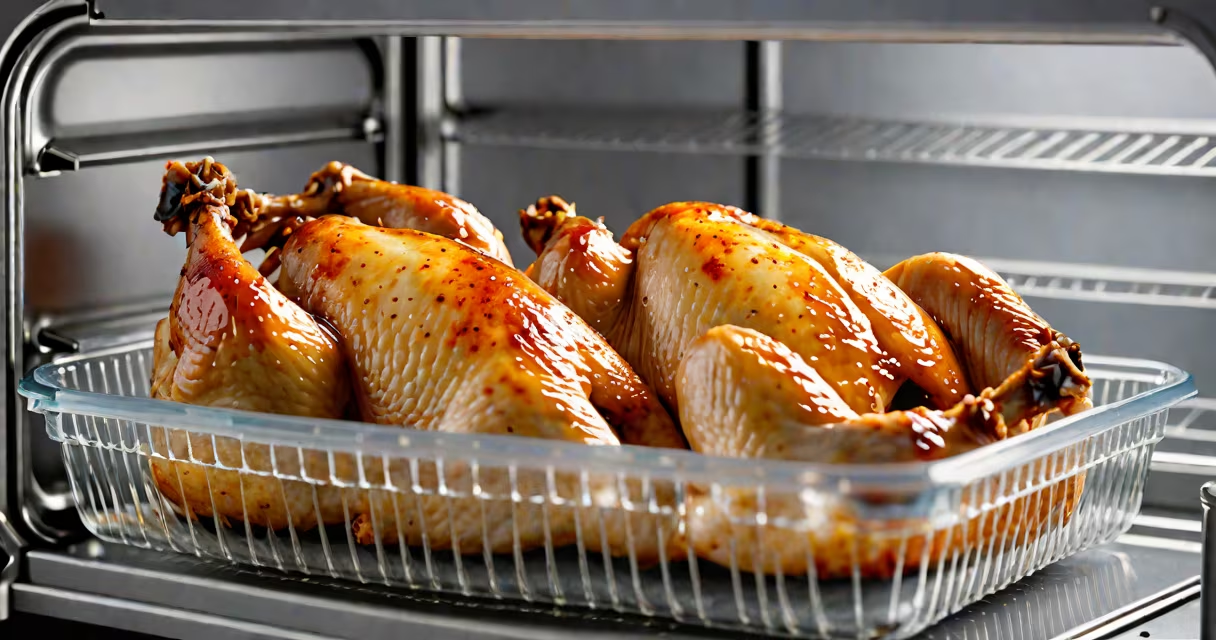
Cooked chicken lasts 3 to 4 days in the refrigerator when stored at or below 40°F (4°C), according to the U.S. Department of Agriculture (USDA). This timeframe applies to chicken that was cooked thoroughly, cooled quickly, and kept in an airtight container.
Refrigeration slows bacterial growth but does not stop it. Pathogens like Salmonella and Campylobacter can multiply rapidly after 4 days, even if the chicken looks and smells normal. The USDA states that perishable foods should not be left at room temperature for more than 2 hours (1 hour if above 90°F).
For best results, cool cooked chicken within 2 hours of cooking. Divide large portions into shallow containers to speed cooling. Place the container on a middle shelf-not in the door-to maintain consistent cold temperatures. Always label containers with the date of preparation.
Storage Conditions That Affect Shelf Life
Proper handling begins at the moment of cooking. Chicken must reach an internal temperature of 165°F (74°C) to kill harmful bacteria. After cooking, it should be cooled from 140°F to 70°F within 2 hours and then from 70°F to 40°F within the next 4 hours.
Temperature fluctuations reduce shelf life. Leaving chicken in the door compartment exposes it to warm air during frequent openings. A refrigerator set above 40°F increases the risk of spoilage. The FDA Food Code recommends keeping refrigerated foods at or below 40°F.
Container type matters. Glass or BPA-free plastic with tight-fitting lids prevent contamination and moisture loss. Avoid leaving chicken uncovered or in paper towels, which allow air exposure and odor transfer.
Signs Chicken Has Gone Bad
Visual cues aren't always reliable. Color changes from white to grayish or yellow may indicate spoilage, but they're not definitive. The most accurate method is smell: sour, ammonia-like, or rotten odors signal bacterial breakdown.
Texture changes are also telling. Slimy or sticky surfaces form when bacteria produce extracellular polysaccharides. If the surface feels tacky when touched, discard the chicken. Even if it's within the 3-4-day window, these signs mean it's unsafe.
When in doubt, throw it out. The Centers for Disease Control and Prevention (CDC) estimates that 1 in 6 Americans gets a foodborne illness each year, with poultry being a leading cause. Consuming spoiled chicken can lead to salmonellosis, campylobacteriosis, or listeriosis.
| Storage Condition | Expected Shelf Life | Key Risk Factor |
|---|---|---|
| Sealed container, 40°F or lower | 3-4 days | Improper cooling time |
| Open container, 40°F | 2-3 days | Exposure to air and cross-contamination |
| Left at room temperature for 4 hours | 0 days (discard immediately) | Bacterial growth exceeds safe limits |
Common Misconceptions and Corrections
Many people believe that if chicken smells fine, it's safe to eat. This is false. Some bacteria, like Listeria monocytogenes, produce no detectable odor. The CDC reports that Listeria can grow at refrigerator temperatures, making it especially dangerous.
Another myth is that reheating spoiled chicken makes it safe. Reheating kills live bacteria but not toxins already produced. Botulinum toxin, for example, is heat-stable and can cause paralysis. The FDA warns against consuming food past its safe storage window, regardless of reheating.
A third error is freezing cooked chicken without proper packaging. Ice crystals form when moisture escapes, leading to freezer burn and texture degradation. Use vacuum-sealed bags or heavy-duty freezer wrap. Frozen cooked chicken keeps safely for 2-6 months, depending on quality.
Real-World Example: A Family's Experience
I once prepared a 3-pound roasted chicken for a family dinner. After serving, I placed the leftovers in a glass container with a lid and stored it on the middle shelf. On day 4, my sister opened the container and noticed a faint sour smell. She tasted a small piece and felt nauseous within 30 minutes.
We contacted our local health department. They confirmed that the chicken had likely been contaminated during improper cooling. The incident reinforced that even short delays in cooling can compromise safety. Since then, we use a thermometer to check cooling times and never leave cooked chicken out longer than 2 hours.
Comparison: How Long Other Cooked Meats Last in the Fridge
Chicken shares a similar shelf life with other cooked meats. Beef, pork, and turkey last 3-4 days under the same conditions. However, ground meats spoil faster due to higher surface area and increased microbial load.
Seafood is more sensitive. Cooked fish lasts only 1-2 days in the fridge. The FDA notes that fish proteins degrade quickly, increasing the risk of histamine formation (scombroid poisoning). This is why seafood should be consumed promptly.
Vegetables and grains generally last longer. Cooked rice can stay safe for 4-5 days, though it's prone to Bacillus cereus contamination if improperly cooled. This bacterium produces heat-resistant toxins that survive reheating.
Best Practices for Safe Handling
Always store cooked chicken in the coldest part of the fridge, typically the back of the middle shelf. Avoid placing hot dishes directly into the fridge-they raise the internal temperature and affect neighboring foods.
Use separate cutting boards for raw and cooked chicken. Cross-contamination is a major cause of foodborne illness. Wash hands, utensils, and surfaces with hot, soapy water after handling raw poultry.
Label all containers with the date of cooking. Rotate older items to the front using the "first in, first out" method. When in doubt, discard. The cost of a meal is far less than medical treatment for food poisoning.
For extended storage, freeze cooked chicken in portions. Wrap tightly in aluminum foil or vacuum-seal. Label with contents and date. Thaw in the refrigerator overnight before reheating.