
i feel so drained
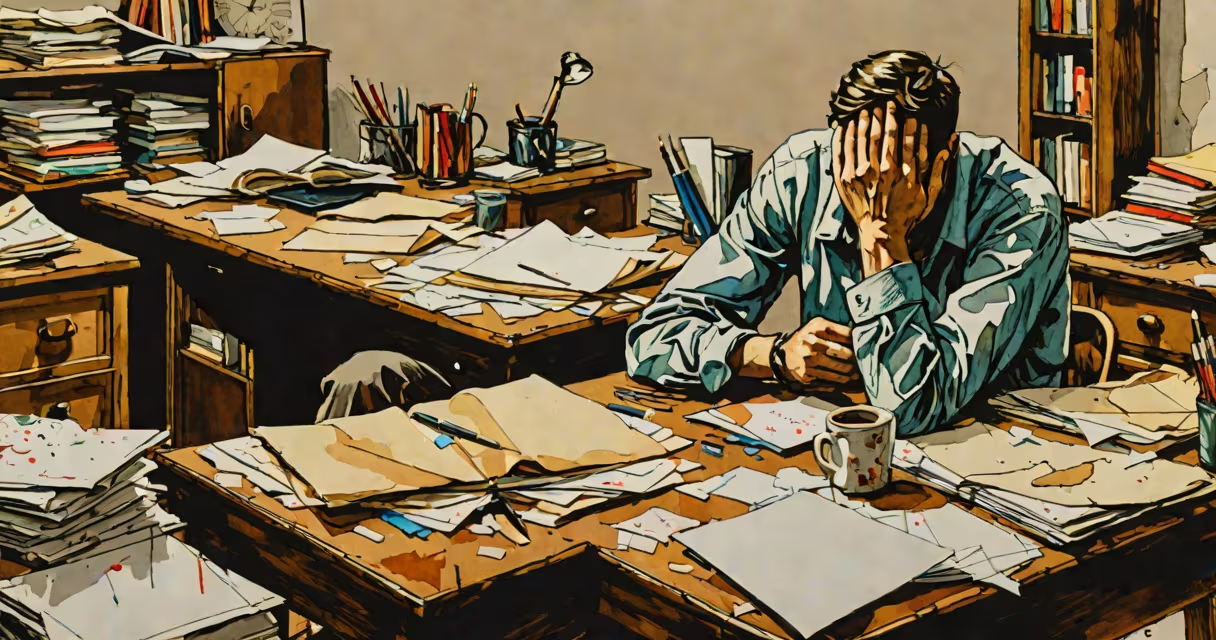
"I feel so drained" describes a state of profound mental and emotional exhaustion that goes beyond physical fatigue. It arises when cognitive load, emotional stress, or prolonged pressure exceeds your nervous system's capacity to recover. This isn't laziness-it's a physiological signal that your brain and body have reached their limit.
Drainage isn't a single symptom. It's a cluster of sensations: mental fog, reduced motivation, emotional numbness, and physical heaviness. You may struggle to make decisions, feel disconnected from others, or find routine tasks exhausting. These aren't character flaws-they're signs of system overload.
The term gained traction in clinical psychology during the 2010s as burnout became a recognized occupational health condition. The World Health Organization (WHO) classifies burnout as an occupational phenomenon characterized by "feelings of energy depletion or exhaustion," "increased mental distance from one's job," and "reduced professional efficacy." That definition aligns directly with what people mean when they say "I feel so drained."
How Mental Drainage Works
Your brain uses glucose and oxygen at high rates during focused thinking, emotional regulation, and decision-making. Prolonged engagement in these processes depletes neurotransmitters like dopamine and serotonin. When supply lags behind demand, neural circuits slow down. You experience this as mental fatigue.
Chronic stress activates the hypothalamic-pituitary-adrenal (HPA) axis, flooding your bloodstream with cortisol. Over time, elevated cortisol disrupts sleep, weakens immunity, and impairs memory. A 2021 study published in *Neuroscience & Biobehavioral Reviews* found that sustained cortisol exposure reduces gray matter volume in the prefrontal cortex-the area responsible for focus, impulse control, and emotional regulation.
When you say "I feel so drained," your body is signaling that recovery is needed. Ignoring it leads to a downward spiral: poor sleep worsens mood, low mood reduces productivity, and reduced productivity increases stress-all reinforcing the cycle.
Types of Drainage and Common Triggers
Drainage isn't uniform. It manifests differently based on context and individual biology. The most common forms are:
| Type | Triggers | Signs | Recovery Time |
|---|---|---|---|
| Mental | Problem-solving, multitasking, constant decision-making | Brain fog, difficulty concentrating, forgetfulness | 1-3 hours after rest |
| Emotional | Conflict, grief, caregiving, social demands | Emotional numbness, irritability, crying easily | 1-2 days with solitude |
| Physical | Prolonged standing, lack of sleep, illness | Heavy limbs, dizziness, muscle tension | 6-8 hours of uninterrupted sleep |
| Burnout | Chronic work pressure, lack of autonomy, unmet needs | Detachment, cynicism, reduced accomplishment | Weeks to months with structural change |
Many people mistake mental drain for laziness. But research shows that cognitive effort depletes glucose in the prefrontal cortex. A 2012 study in *Psychological Science* demonstrated that participants who performed complex reasoning tasks showed measurable drops in blood glucose levels-and reported higher fatigue than controls.
One overlooked factor: sensory overload. Urban environments, open offices, and constant notifications create a steady stream of stimuli. Your brain doesn't shut off between inputs. A 2020 study in *Frontiers in Psychology* linked high sensory input to increased cortisol and reduced attention span-even in healthy adults.
Common Misconceptions and Confusions
"I feel so drained" is often mistaken for depression. While both involve low energy and reduced interest, depression includes persistent sadness, hopelessness, and changes in appetite or sleep patterns lasting weeks. Drainage typically resolves with rest. Depression requires clinical evaluation and treatment.
Some confuse drainage with physical illness. Fatigue from infection, thyroid issues, or anemia can mimic mental exhaustion. But physical causes show distinct lab markers. Low iron, abnormal TSH levels, or elevated CRP indicate medical conditions-not just "mental fatigue." Always rule out biological contributors first.
A key distinction: drainage is temporary. It responds to rest, boundaries, and recovery practices. Burnout-a deeper form of chronic drainage-is harder to reverse. It requires changes in environment, workload, or identity. The American Psychological Association notes that burnout affects 76% of workers, with healthcare, education, and tech sectors reporting the highest rates.
Real-World Example: A Teacher's Breakdown
Consider Maria, a middle school teacher in Chicago. She taught five classes daily, managed student behavior, completed reports, and attended meetings. After six months, she began saying "I feel so drained" every morning. Her symptoms included:
- Unable to concentrate during lessons
- Reacting harshly to minor disruptions
- Skipping lunch to grade papers
- Waking up at 3 a.m. with racing thoughts
She assumed she was "not cut out for teaching." But her fatigue wasn't personal failure-it was systemic. Her schedule left no room for recovery. After taking a week off, she returned with better boundaries: no emails after 7 p.m., scheduled breaks, and delegation of non-teaching tasks. Within two weeks, her energy returned.
This case illustrates a core truth: "I feel so drained" is not a diagnosis. It's a signal. The response matters more than the label.
What to Do When You Say "I Feel So Drained"
Start with a pause. Stop doing. Sit still. Breathe. This isn't indulgence-it's neurological reset. The brain needs downtime to restore neurotransmitter balance.
Try the 90-minute rule: Work in focused blocks of 90 minutes, then take a 20-minute break. Research from the University of Illinois shows that brief diversions improve focus and prevent mental fatigue. Use breaks for walking, stretching, or quiet reflection-not scrolling or checking email.
"I feel so drained" is not weakness. It's awareness. It's your nervous system asking for care. Responding with structure, rest, and clarity restores function. The goal isn't constant energy-it's sustainable resilience.