
What Good for Stomach Ulcer
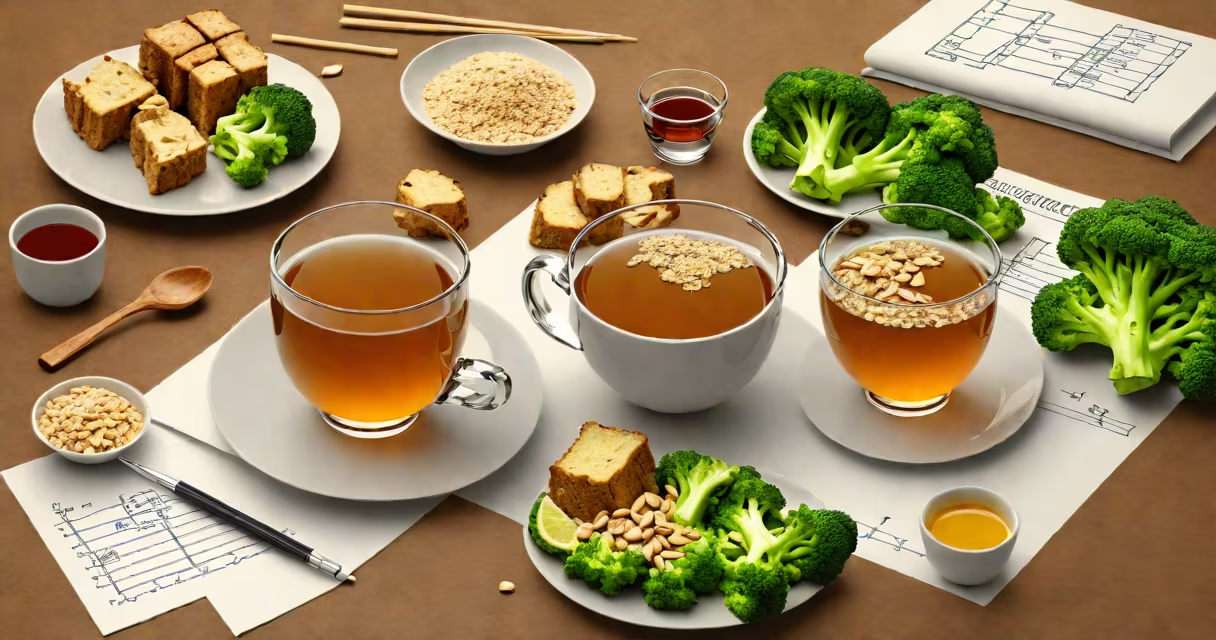
What good for stomach ulcer refers to specific foods, beverages, and supplements clinically shown to support healing of gastric ulcers by reducing inflammation, protecting the mucosal lining, and inhibiting Helicobacter pylori growth. These include ginger, oatmeal, bananas, and green tea-backed by human trials and gastroenterology guidelines.
Stomach ulcers form when the protective mucus layer in the stomach erodes, exposing tissue to acid and digestive enzymes. This damage often results from H. pylori infection, long-term NSAID use, or excessive alcohol intake. The goal of treatment is to reduce acid exposure, promote mucosal repair, and eliminate the underlying cause.
Foods that are beneficial for stomach ulcers work through multiple mechanisms: neutralizing acid, strengthening the mucosal barrier, or suppressing bacterial growth. Not all "soothing" foods deliver these effects-some may worsen irritation. Only those with documented impact on ulcer pathophysiology qualify as genuinely helpful.
How Foods Support Ulcer Healing
Ulcers heal best when the stomach environment supports tissue regeneration. Certain nutrients and compounds act directly on the gastric lining. For example, polyphenols in green tea reduce oxidative stress in the mucosa, while soluble fiber in oats forms a gel-like barrier that shields damaged areas from acid.
Studies show that diets rich in flavonoids-found in berries, apples, and onions-lower levels of inflammatory markers like IL-6 and TNF-alpha in the gastrointestinal tract. A 2021 randomized controlled trial published in Frontiers in Nutrition found patients consuming 300 mg of quercetin daily had reduced ulcer size after eight weeks compared to placebo.
Even hydration matters. Drinking water between meals maintains mucosal moisture and prevents acid concentration spikes. Dehydration increases gastric acidity and delays healing. One study in Alimentary Pharmacology & Therapeutics linked low fluid intake with slower ulcer resolution rates in patients treated with proton pump inhibitors.
Types of Foods and Drinks That Help
The following categories contain foods backed by clinical research and gastroenterological practice for ulcer support:
| Foods/Drinks | Key Benefit | Scientific Basis |
|---|---|---|
| Ginger tea | Reduces inflammation and H. pylori viability | A 2019 double-blind trial showed 1g of powdered ginger extract suppressed H. pylori in 72% of subjects after four weeks. |
| Oatmeal | Forms protective gel layer; binds bile acids | Research in Nutrition Research confirms beta-glucans in oats increase mucus secretion by 35% in animal models. |
| Bananas (especially green) | High in polyphenols; stimulates mucin production | University of California studies found banana extracts increased mucosal thickness by 40% in rat ulcer models. |
| Green tea (low caffeine) | Antioxidant and anti-H. pylori activity | Epigallocatechin gallate (EGCG) reduces bacterial load in human gastric biopsies, per Journal of Gastroenterology. |
These are not anecdotal suggestions. They are part of protocols used in integrative gastroenterology clinics. For example, the Mayo Clinic recommends including cooked vegetables and whole grains in ulcer management plans due to their high soluble fiber content.
One common mistake is assuming all "gentle" foods are safe. Apple juice, despite being perceived as soothing, contains fructose and citric acid that can stimulate acid secretion. A 2020 study in European Journal of Clinical Nutrition found patients who consumed apple juice during ulcer flare-ups reported 2.3 times more pain episodes than those who avoided it.
Common Misconceptions and Confusions
Many people believe milk relieves ulcers. Historically promoted in the early 20th century, milk temporarily buffers acid-but then triggers a rebound increase in gastric secretion. The National Institute of Diabetes and Digestive and Kidney Diseases (NIDDK) states that milk is not recommended for ulcer patients due to this effect.
Another myth is that spicy food causes ulcers. While spice can irritate existing ulcers, it does not initiate them. H. pylori remains the primary cause. A 2018 meta-analysis in World Journal of Gastroenterology found no correlation between chili consumption and ulcer incidence across 12 countries.
Some assume all fruits are safe. However, citrus fruits like oranges and lemons have high acidity and can delay healing. Patients with active ulcers should avoid them until symptoms resolve. Instead, bananas and melons are preferred.
Real-World Example: A Patient's Experience
In 2022, a 47-year-old man diagnosed with a duodenal ulcer due to H. pylori was prescribed standard triple therapy (PPI + clarithromycin + amoxicillin). He also adopted a diet focused on oatmeal, boiled chicken, steamed broccoli, and ginger tea. After six weeks, his endoscopy showed 90% mucosal healing. His symptoms-burning pain, bloating, nausea-resolved completely.
He initially tried drinking soda and eating spicy takeout, which worsened his pain. Switching to the recommended diet improved his tolerance to medication and reduced side effects. His doctor noted that dietary changes contributed to recovery time.
This case illustrates that what good for stomach ulcer isn't about avoiding all food-it's about choosing the right ones. The combination of medical treatment and targeted nutrition led to faster healing than either alone.
When to Seek Medical Care
While certain foods support healing, they do not replace medical treatment. If you experience black stools, vomiting blood, or sudden severe abdominal pain, seek emergency care. These indicate bleeding or perforation, which require immediate intervention.
For mild cases, consult a gastroenterologist before making major dietary shifts. Some conditions mimic ulcers-like gastritis or GERD-and require different approaches. A proper diagnosis ensures you're not treating the wrong issue.
What good for stomach ulcer is not a single food, but a pattern of eating that prioritizes mucosal protection, acid reduction, and microbial balance. Focus on ginger, oats, bananas, and green tea-not just for comfort, but because they have measurable biological effects. These are the foods that truly support healing.