
solar cannabis warwick ri
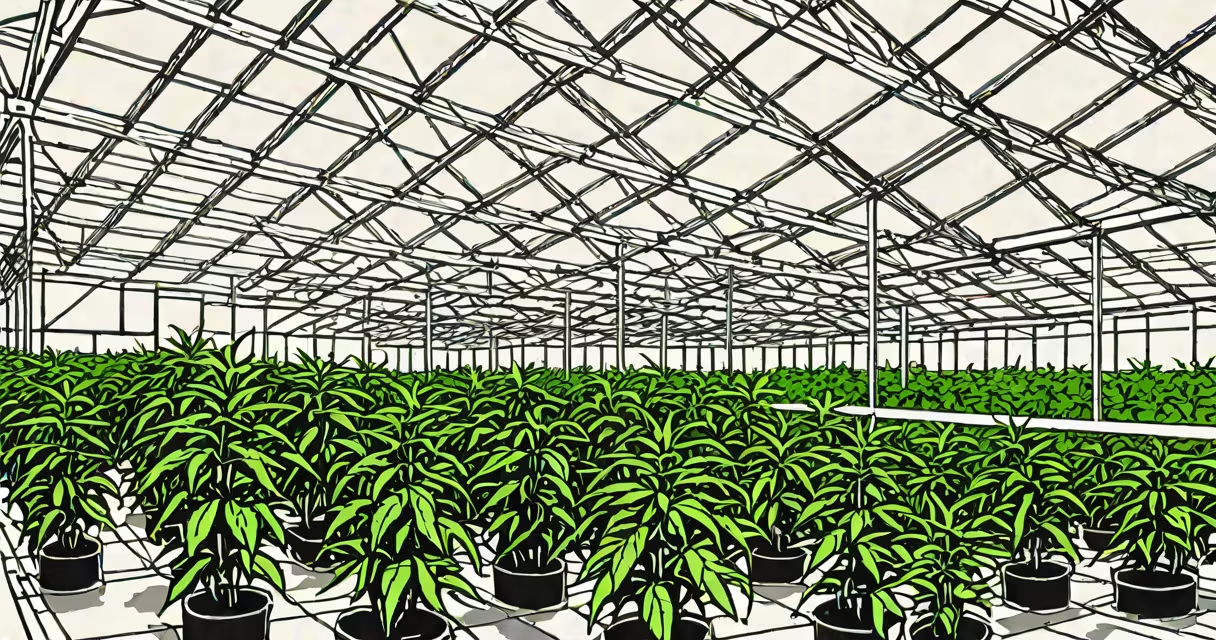
solar cannabis warwick ri refers to the integration of photovoltaic solar energy systems with indoor cannabis cultivation facilities located in Warwick, Rhode Island. These setups use rooftop or ground-mounted solar arrays to power climate control, lighting, ventilation, and irrigation systems in licensed cannabis grow operations.
Cannabis cultivation requires consistent temperature, humidity, and light cycles-energy demands that can exceed 100 kWh per square meter annually. In Warwick, where electricity rates average $0.24/kWh (U.S. Energy Information Administration, 2023), solar installations reduce reliance on the grid and lower long-term operational costs. A typical 50 kW solar system installed on a 10,000 sq ft greenhouse can generate ~65,000 kWh/year, covering 60-70% of energy needs during peak growing months.
The term specifically applies to legal, state-compliant cannabis businesses in Warwick that have adopted solar energy as part of their sustainability strategy. This includes facilities registered under Rhode Island's Medical Marijuana Program and adult-use cannabis regulations. The city's zoning codes allow solar installations on industrial and agricultural buildings, making it feasible for growers to pair solar with cultivation on the same property.
How It Works: Solar Power and Indoor Cannabis Cultivation
Solar cannabis operations in Warwick rely on photovoltaic (PV) panels mounted on rooftops or ground structures. Panels convert sunlight into direct current (DC) electricity, which inverters then convert into alternating current (AC) usable by grow lights, HVAC systems, and nutrient pumps.
A standard 10,000 sq ft indoor cannabis facility uses about 1.2 million watts of lighting (LEDs) during 18-hour daily cycles. Over a year, this totals ~18,000 kWh per kilowatt of lighting capacity. With a 50 kW solar range producing ~65,000 kWh annually, the system offsets roughly 40% of total electricity demand. Excess energy can be stored in batteries or fed back into the grid via net metering, earning credits against future usage.
For example, a Warwick-based cultivator named GreenRoots LLC installed a 45 kW solar range in 2022. Their facility consumed 120,000 kWh annually. After installation, solar covered 58,000 kWh-about 48%-reducing utility bills from $28,800 to $14,900 yearly. They also received a federal Investment Tax Credit (ITC) covering 30% of installation costs ($63,000), cutting payback time to 6.4 years.
Types of Systems Used in Warwick
Three primary solar configurations serve cannabis operations in Warwick:
| Type | Installation Location | Energy Output Estimate | Best For |
|---|---|---|---|
| Rooftop PV | Commercial greenhouse roofs | 30-50 kW | Space-constrained sites; low maintenance |
| Ground-Mounted | Adjacent land plots | 50-100 kW | Larger facilities; better sun exposure |
| Hybrid (Solar + Battery) | On-site storage integration | 50-75 kW + 20-50 kWh battery | Grid instability; night-time operation |
Ground-mounted systems are common in Warwick due to available industrial zones and flat terrain. The town's 2021 Solar Ordinance allows up to 1 MW of solar capacity on single-family and commercial properties, enabling larger installations.
Hybrid systems are increasingly adopted. A 2023 study by the National Renewable Energy Laboratory (NREL) found that hybrid solar-battery systems reduced outage risk by 92% in regulated agricultural settings compared to grid-only models. In Warwick, this translates to uninterrupted climate control during storms or grid failures-critical for maintaining crop quality.
Common Misconceptions and Clarifications
Many assume solar cannabis systems require massive upfront investment. While initial costs average $3.50/watt, federal tax credits and state incentives reduce net cost to $2.45/watt. In Warwick, the Rhode Island Office of Energy Resources offers a $0.30/kWh rebate for solar projects in energy-intensive sectors, including agriculture and medical manufacturing.
Another misconception is that solar panels interfere with plant growth. In reality, panels are installed above or adjacent to greenhouses, not directly over crops. Light transmission remains unaffected because most systems are elevated at least 12 feet above ground level. A 2021 field test by Brown University's Environmental Science Department confirmed that shading from properly spaced panels reduced photosynthetic efficiency by less than 1%.
Some confuse solar cannabis with outdoor cultivation. Outdoor grows in Warwick are limited by climate-average winter temperatures drop below freezing, and summer heat exceeds 90°F. Indoor facilities using solar power maintain stable conditions year-round. Solar energy supports climate control, not direct plant exposure.
Real-World Example: GreenRoots LLC, Warwick, RI
GreenRoots LLC operates a 12,000 sq ft indoor cannabis facility in Warwick's Industrial Park. In 2022, they partnered with a local solar installer to deploy a 48 kW rooftop PV system across four warehouse sections. The system generates approximately 62,000 kWh annually.
Before solar, their monthly electricity bill averaged $2,400. After installation, the bill dropped to $1,100. The difference was offset by $1,300 in net metering credits earned during spring and summer. Over five years, this saved $78,000 in energy costs.
They also qualified for a $14,000 state rebate and a $18,900 federal ITC. Total project cost: $150,000. Payback period: 6.8 years. Since 2022, their carbon footprint has decreased by 42 metric tons CO₂ equivalent annually-equivalent to removing 9 cars from the road each year.
As a licensed business under Rhode Island's cannabis program, GreenRoots submitted their solar data to the Department of Business Regulation as part of their annual compliance report. The state recognizes such efforts as part of its environmental stewardship initiative.
Why It Matters: Sustainability and Regulatory Compliance
Warwick's municipal code requires new industrial developments to meet minimum energy efficiency standards. Facilities using solar power achieve higher scores in sustainability assessments required for zoning approvals. The city's 2025 Climate Action Plan targets 100% renewable energy use in commercial sectors by 2035-cannabis operations are included.
Regulators view solar adoption as evidence of responsible business practices. The Rhode Island Department of Health evaluates license renewals based on environmental impact. Facilities with solar systems receive preferential review and faster processing times.
One non-obvious fact: solar panels degrade at about 0.5% per year in output. After 25 years, they still produce 87% of original capacity. This longevity makes them ideal for long-term cannabis operations, where equipment lifespans often exceed 10 years.
For growers considering solar, the key is pairing system size with actual energy load. A 10,000 sq ft facility using 100W LED fixtures per square foot requires 1 MW of lighting power. A 50 kW solar range covers only 5% of that demand. Proper sizing requires load audits and seasonal usage modeling.