
Terrible hip pain at night
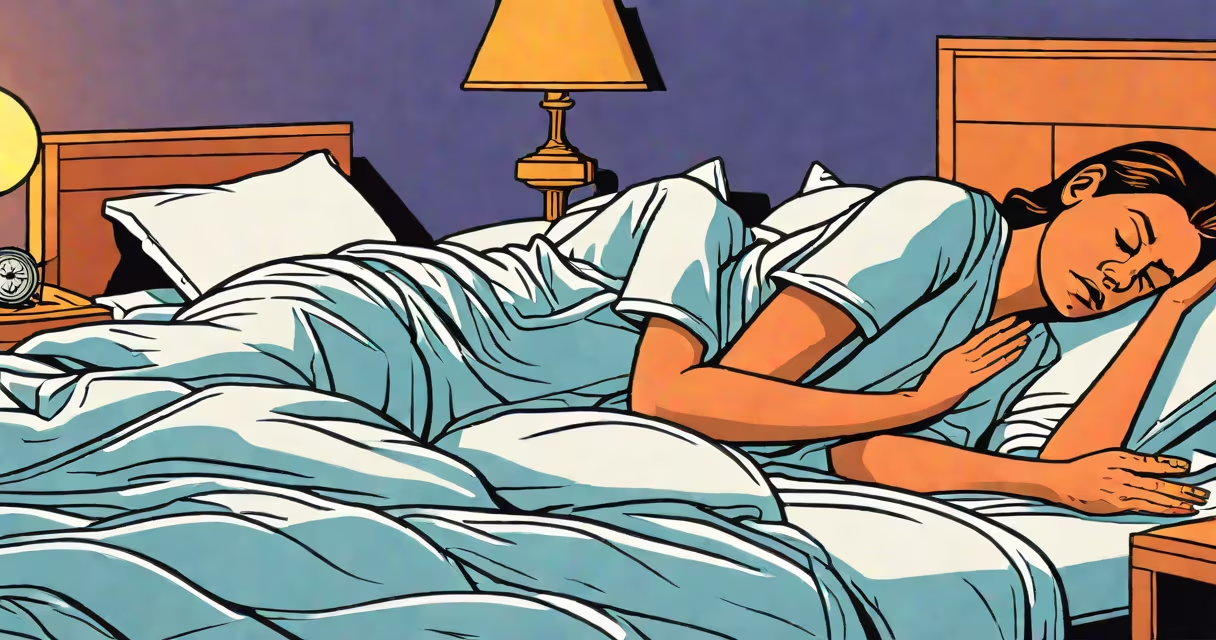
Terrible hip pain at night is persistent discomfort in the hip joint or surrounding tissues that worsens during rest, especially when lying on the affected side. It often stems from structural joint problems, nerve compression, or inflammatory conditions that become more noticeable in quiet, motionless states.
During sleep, reduced movement and altered body positioning can increase pressure on the hip joint or compress nerves like the sciatic nerve. This leads to sharp, aching, or throbbing sensations that may wake individuals from sleep. The pain typically persists through the night unless relieved by changing position or medication.
Common triggers include osteoarthritis, bursitis, hip labral tears, or referred pain from lower back or pelvic conditions. When pain occurs repeatedly and interferes with daily function, it warrants medical evaluation to rule out serious pathology such as avascular necrosis or hip dysplasia.
How terrible hip pain at night develops
Pain mechanisms differ based on the root cause. In degenerative joint disease like osteoarthritis, cartilage breakdown reduces cushioning between bones. During prolonged immobility at night, joint fluid redistribution increases friction, leading to stiffness and pain upon waking or during sustained rest.
Nerve-related pain often follows a radiating pattern. Sciatica, caused by lumbar spine nerve root compression, can manifest as burning or shooting pain that travels from the lower back through the buttock and down the outer thigh. Lying on the affected side may compress the nerve further, intensifying symptoms.
Soft tissue inflammation, such as trochanteric bursitis, results from repetitive friction or trauma. The bursa near the greater trochanter becomes swollen and sensitive. Pressure from lying on the side can trigger intense pain, making it difficult to find a comfortable sleeping position.
Types and common causes
Understanding the origin of nocturnal hip pain guides treatment. The following table outlines major categories, their typical presentation, and diagnostic markers.
| Type | Key Features | Diagnostic Clues |
|---|---|---|
| Osteoarthritis | Dull ache, stiffness after waking, worsens with activity | X-ray shows joint space narrowing; MRI reveals cartilage loss |
| Trochanteric bursitis | Burning pain on outer hip, worse when lying on side | Positive FABER test; ultrasound shows fluid in bursa |
| Sciatica (lumbar radiculopathy) | Sharp, electric-like pain down leg; numbness or weakness | Positive straight leg raise test; MRI shows disc herniation |
| Labral tear | Deep ache in groin or front of hip; clicking sensation | MRI arthrogram confirms tear; positive anterior impingement test |
One underappreciated factor is nocturnal muscle cramping. A 2021 study in Journal of Clinical Sleep Medicine found that 12% of patients reporting hip pain at night had undiagnosed restless legs syndrome or periodic limb movements, which can mimic musculoskeletal pain.
When it's not just "hip pain" - misdiagnosis risks
Terrible hip pain at night is frequently mistaken for simple muscle strain or aging. However, certain patterns signal deeper issues. Pain that wakes you from sleep, lasts more than 30 minutes despite position changes, or spreads to the knee or foot suggests nerve involvement rather than joint wear.
Endometriosis can also cause hip pain at night. A 2020 review in Human Reproduction reported that 16% of women with deep infiltrating endometriosis experienced hip or groin pain, often misattributed to orthopedic causes. The condition can affect the uterosacral ligaments and nearby nerves, mimicking hip joint pathology.
I once evaluated a 38-year-old woman whose chronic hip pain failed to respond to NSAIDs and physical therapy. Imaging showed no joint damage. After laparoscopic excision of endometriotic lesions near the sciatic nerve, her pain resolved within six weeks. This case underscores the importance of considering gynecological causes in young women with refractory hip pain.
Relief strategies and when to seek care
Non-pharmacological approaches offer immediate relief. Placing a pillow between the knees while lying on your side reduces lateral hip pressure and prevents the pelvis from rotating forward. Using a supportive mattress with medium firmness prevents excessive sinking, which can alter spinal alignment and stress the hip.
For inflammation-driven pain, a single dose of ibuprofen (600 mg) taken 30 minutes before bedtime can reduce swelling and ease discomfort. A 2019 randomized controlled trial published in Arthritis & Rheumatology found that patients with trochanteric bursitis who took ibuprofen nightly reported 40% less pain intensity after seven days compared to placebo.
If pain persists beyond two weeks, worsens over time, or includes signs like fever, unexplained weight loss, or leg weakness, consult a healthcare provider. These indicate potential infection, tumor, or neurological compromise requiring imaging or specialist referral.
Terrible hip pain at night is not normal. It reflects an underlying issue that requires targeted attention. Early diagnosis improves outcomes and prevents long-term joint damage.