
Should You Stretch a Pulled Groin?
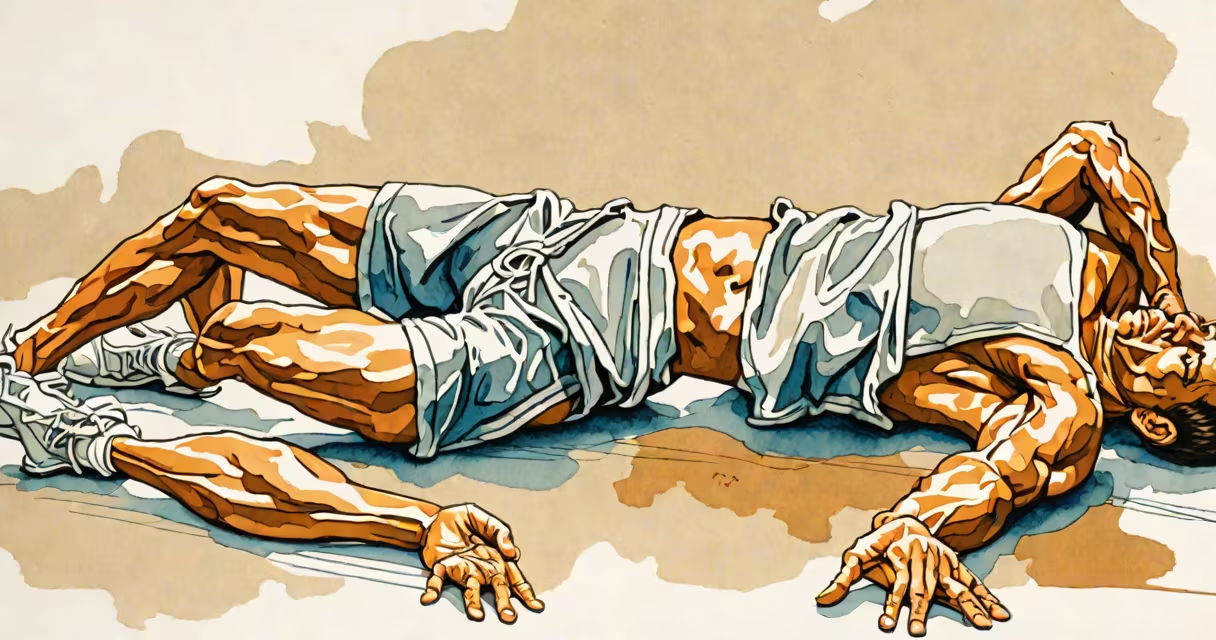
Stretching a pulled groin too early can delay healing or cause further damage. Wait until pain subsides and tissue begins to repair before introducing gentle movement.
A pulled groin-also called a groin strain-is a tear in the adductor muscles along the inner thigh. These muscles stabilize the pelvis during walking, running, and side-to-side motion. The injury ranges from mild (Grade 1) to severe (Grade 3), with symptoms including sharp pain, swelling, bruising, and difficulty moving the leg.
Immediate care involves rest, ice, compression, and elevation (RICE). Returning to activity too soon increases the risk of re-injury. Research from the American Journal of Sports Medicine shows that athletes who resume training within 7 days of a Grade 1 strain have a 40% higher recurrence rate compared to those who wait 14 days.
How a Pulled Groin Heals
Healing follows three phases: inflammation (first 72 hours), repair (days 3-14), and remodeling (weeks 2-6). During inflammation, blood flow increases to the area, causing swelling and pain. This phase requires protection-no stretching, no resistance training.
Once swelling reduces and pain decreases with movement, the repair phase begins. Collagen fibers form to reconnect torn muscle tissue. At this stage, controlled, low-intensity stretching may begin-but only if it causes no pain.
For example, a runner who felt sudden pain while changing direction during a game should stop immediately. After 48 hours, if walking without limping is possible and pain is below 2/10 on a pain scale, light stretching can start. A 2021 study in the British Journal of Sports Medicine found that patients who began gentle adductor stretches at day 5 had faster return-to-play times than those who waited until day 10.
When Stretching Is Safe-and When It's Not
Never stretch during acute pain. If bending forward causes sharp pain in the inner thigh, stretching will worsen microtears and delay healing. The body needs time to rebuild tissue before adding mechanical stress.
Use the "no pain, no gain" myth as a warning sign. Pain during stretching indicates tissue overload. A 2020 review in the Journal of Orthopaedic & Sports Physical Therapy concluded that stretching through pain increases scar tissue formation, which leads to stiffness and reduced range of motion.
Instead, focus on mobility exercises that don't stretch the injured muscle. For example, seated hip circles or ankle pumps improve circulation without stressing the adductors. These movements support healing without risking re-injury.
| Injury Severity | When to Start Stretching | Recommended Exercises |
|---|---|---|
| Grade 1 (mild strain) | Day 3-5, if pain-free movement | Gentle adductor stretch (supine, leg out to side, hold 15 sec) |
| Grade 2 (moderate strain) | Day 7-10, with medical clearance | Isometric holds (press knee inward against resistance) |
| Grade 3 (complete tear) | After surgical repair or 4-6 weeks of rehab | Physical therapist-guided mobilization |
Common Mistakes and Misconceptions
Many people assume that stretching prevents future injuries. But research shows that static stretching before activity doesn't reduce strain risk. A 2019 meta-analysis in the Scandinavian Journal of Medicine & Science in Sports found no significant difference in groin injury rates between athletes who stretched before exercise and those who didn't.
Another misconception is that "I feel better, so I'm healed." Muscle strength returns before tissue integrity. A person may walk normally at day 7 but still have 60% of normal strength in the adductors. Without progressive loading, the muscle remains vulnerable.
I once observed a high school soccer player restart sprint drills after three days of rest. He reported "no pain," but his gait was asymmetrical. An ultrasound confirmed residual tearing. He missed two weeks of play. This case illustrates why symptom resolution ≠ tissue healing.
Safe Recovery Protocol
Begin with non-weight-bearing mobility. Sit on a chair and slowly move your leg outward, keeping the knee straight. Hold for 10 seconds. Repeat 3 sets daily. Stop if pain exceeds 2/10.
Progress to standing stretches only when walking without limping. Stand sideways to a wall, place the injured leg behind the other, and lean forward slightly. Hold 20 seconds. Do not bounce.
Once pain-free movement is consistent for 3 days, introduce strengthening. Lie on your side and lift the top leg 6 inches off the floor. Perform 10 reps, 3 times daily. This builds endurance without overstressing the muscle.
Recovery timelines vary. Most Grade 1 strains heal in 2-4 weeks. Grade 2 strains take 4-8 weeks. Grade 3 injuries require surgery and 3-6 months of rehabilitation. Always consult a healthcare provider before returning to sports.
Always prioritize tissue healing over speed. Stretching a pulled groin too soon risks chronic pain and long-term weakness. Wait for clinical signs of recovery before reintroducing movement.