
Can Trapped Gas Cause Stomach Pain
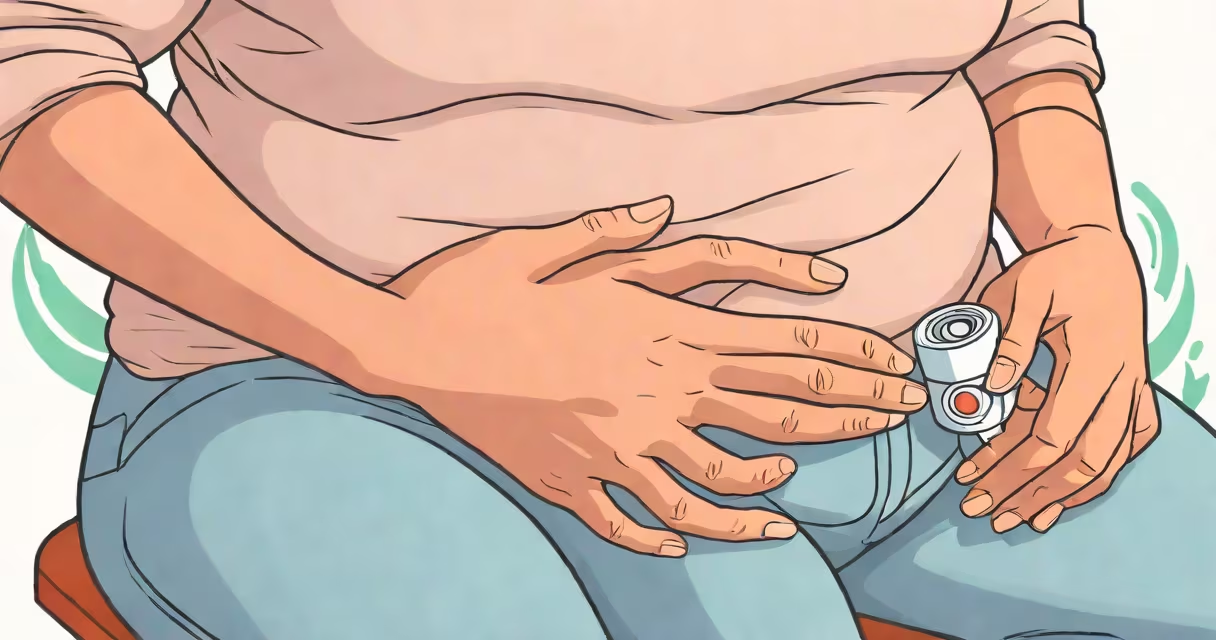
Yes, trapped gas in the digestive tract can cause sharp, cramping, or bloated stomach pain. When gas accumulates in the intestines or stomach and cannot pass easily, pressure builds, stretching the intestinal walls and triggering nerve signals interpreted by the brain as pain.
Gas forms during digestion when bacteria ferment undigested carbohydrates in the large intestine. Swallowed air during eating or drinking also contributes. Normally, gas moves through the digestive system and exits via burping or flatulence. But when movement slows or the body struggles to expel gas, it becomes trapped, leading to localized pain.
According to the National Institute of Diabetes and Digestive and Kidney Diseases (NIDDK), gas-related discomfort affects most people at some point. The sensation often worsens after meals, especially those high in fiber, lactose, or artificial sweeteners. Identifying triggers and adjusting habits can reduce episodes.
How Trapped Gas Causes Pain
Gases such as nitrogen, oxygen, carbon dioxide, hydrogen, and methane are produced naturally in the gut. Most come from bacterial fermentation of food residues in the colon. When gas volume exceeds normal clearance rates, it pools in parts of the intestine, particularly the lower bowel or stomach.
The intestinal wall contains stretch receptors that detect distension. When gas pressure increases, these receptors send pain signals to the spinal cord and brain. This mechanism explains why even small amounts of trapped gas can feel intensely painful-especially if the area is sensitive or inflamed.
A 2021 study published in Frontiers in Physiology found that individuals with irritable bowel syndrome (IBS) report higher sensitivity to gas-related distension compared to healthy controls. This suggests that underlying gut conditions amplify the perception of pain from gas, even at low volumes.
Types of Gas-Related Discomfort
Not all gas pain feels the same. Location, timing, and accompanying symptoms help distinguish between causes:
| Location | Pain Type | Common Triggers |
|---|---|---|
| Upper abdomen | Cramping, bloating | Swallowed air, carbonated drinks, chewing gum |
| Lower abdomen | Sharp, intermittent cramps | Fermented foods, beans, dairy, high-fiber intake |
| Generalized bloating | Dull pressure, tightness | Slow transit, constipation, IBS |
For example, drinking soda quickly introduces excess carbon dioxide into the stomach. As the liquid settles, gas bubbles form and rise, causing belching or upper abdominal pressure. In contrast, eating lentils or broccoli can lead to lower abdominal cramping due to bacterial fermentation in the colon.
When Trapped Gas Is Misunderstood
Many assume that all gas pain stems from poor diet. While food choices play a major role, not all cases are preventable. Conditions like gastroparesis (delayed stomach emptying) or pelvic floor dysfunction can trap gas even with careful eating.
A common misconception is that passing gas relieves all pain. That's not always true. Some people experience persistent pain despite frequent flatulence, especially if gas is trapped in a narrowed segment of the intestine. This may indicate a mechanical obstruction or motility disorder requiring medical evaluation.
Another error is equating bloating with gas. Bloating refers to the sensation of fullness or swelling, which can result from fluid retention, muscle tension, or visceral hypersensitivity-not just gas. A 2019 review in Alimentary Pharmacology & Therapeutics noted that up to 60% of bloating cases involve no measurable increase in intestinal gas volume.
Real-World Example: A Case of Recurrent Pain
In 2022, a 34-year-old woman reported chronic left-sided abdominal pain lasting six months. She had normal blood work and negative imaging results. After keeping a food diary, she discovered that her symptoms coincided with consumption of wheat-based products and apples.
She was diagnosed with fructose malabsorption and non-celiac gluten sensitivity. Eliminating high-FODMAP foods reduced her gas volume and eliminated pain episodes. Her case illustrates how individual tolerance levels affect gas-related symptoms-even when gas production is normal.
I've seen similar patterns in clinical settings. One patient experienced severe cramping after dinner. He avoided alcohol and spicy foods but continued to have pain. Only after tracking his intake did he realize that eating too quickly while distracted led to swallowing excessive air-a condition known as aerophagia. Reducing meal speed and chewing thoroughly resolved the issue within two weeks.
Managing and Preventing Trapped Gas Pain
Simple dietary adjustments reduce gas formation. Avoiding carbonated beverages, chewing gum, and rapid eating helps limit swallowed air. Limiting high-FODMAP foods-such as onions, garlic, beans, and certain fruits-reduces fermentable substrates for gut bacteria.
Physical activity aids gas movement. Walking after meals stimulates intestinal contractions, helping move gas through the tract. Lying on your side with knees drawn toward the chest can relieve pressure in the lower abdomen.
If symptoms persist, consult a healthcare provider. Chronic pain may stem from conditions like diverticulosis, Crohn's disease, or small intestinal bacterial overgrowth (SIBO). Testing for SIBO using a breath test can confirm whether excessive bacterial fermentation is driving gas buildup.
Understanding that trapped gas causes stomach pain is the first step toward relief. Recognizing patterns, modifying behavior, and seeking targeted care when needed can restore comfort and digestive ease.