
ct scan tech training
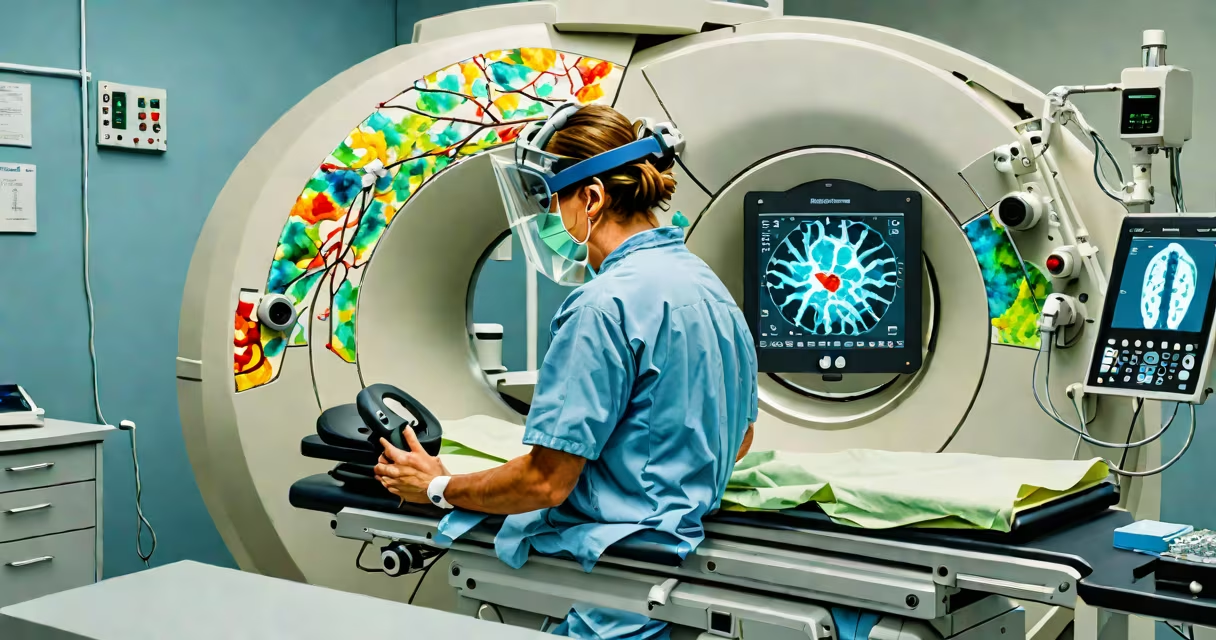
ct scan tech training equips individuals with the skills to operate computed tomography (CT) scanners, produce high-quality diagnostic images, and support patient care in clinical settings. This training covers radiation safety, anatomy, image acquisition protocols, and equipment operation, leading to eligibility for national certification.
Computed tomography uses rotating X-ray beams and computer processing to generate cross-sectional images of the body. A trained technician positions the patient, selects scanning parameters, and monitors the procedure. The resulting images help physicians detect tumors, fractures, internal bleeding, and other conditions invisible to standard X-rays. Without properly trained operators, scan quality degrades, radiation exposure increases, and diagnoses may fail.
Training programs typically last 12 to 24 months and combine classroom instruction with hands-on clinical rotations. Students learn how to adjust slice thickness, reconstruction algorithms, and contrast administration based on patient condition and clinical indication. They also study radiation protection principles, including ALARA (As Low As Reasonably Achievable) guidelines, which limit unnecessary exposure to patients and staff.
How ct scan tech training works
Most programs begin with foundational courses in human anatomy, physiology, and medical terminology. Trainees then progress to physics of ionizing radiation, image formation processes, and equipment maintenance. Practical labs simulate real-world scenarios, such as managing claustrophobic patients or troubleshooting motion artifacts during scans.
Clinical rotations occur in hospital imaging departments or outpatient centers. During these rotations, trainees work under supervision to perform scans on actual patients. They must demonstrate competency in patient screening, positioning, dose optimization, and emergency response procedures. For example, a trainee might assist in scanning a trauma patient with suspected internal hemorrhage, adjusting the scan protocol to prioritize speed and accuracy over resolution.
After completing didactic and clinical components, graduates take the American Registry of Radiologic Technologists (ARRT) certification exam. Passing this exam grants eligibility for state licensure and employment in accredited facilities. The ARRT requires candidates to meet educational standards and pass a written test covering ethics, safety, and technical performance.
Types of ct scan tech training programs
Programs vary by duration, delivery method, and accreditation status. The most common pathways include:
| Program Type | Duration | Accreditation | Typical Entry Requirements |
|---|---|---|---|
| Associate Degree (AS) | 2 years | Joint Review Committee on Education in Radiologic Technology (JRCERT) | High school diploma, basic math/science coursework |
| Post-Secondary Certificate | 12-18 months | JRCERT or non-accredited | Some college credits or prior healthcare experience |
| Online Hybrid Programs | 18-24 months | JRCERT | Prerequisite science and math courses |
Only JRCERT-accredited programs qualify for ARRT certification. Non-accredited programs may offer job readiness but do not lead to national certification. Some employers accept completion of non-accredited programs for entry-level roles, but advancement often requires formal certification.
Where and why ct scan tech training is used
CT scan tech training is essential in hospitals, outpatient imaging centers, and specialized clinics. With over 80 million CT scans performed annually in the U.S., demand for qualified technicians remains high. According to the U.S. Bureau of Labor Statistics, employment of radiologic technologists is projected to grow 6% from 2022 to 2032-faster than average for all occupations.
Each scan must be tailored to the patient's condition. For instance, a brain CT for stroke evaluation uses rapid acquisition and thin slices to identify small bleeds or clots. A follow-up abdominal CT for cancer monitoring may require delayed-phase imaging after intravenous contrast injection. Technicians must understand these differences to avoid repeat scans, reduce patient risk, and ensure accurate results.
Failure to follow proper protocols leads to poor image quality or excessive radiation exposure. In one documented case, a misaligned gantry caused a 30% increase in effective dose during a routine chest CT. The error was caught during a peer review, highlighting the need for ongoing training even after certification.
Common misconceptions and corrections
Many assume that ct scan tech training is purely mechanical-just learning to push buttons. This is incorrect. Modern CT systems require interpretation of patient history, selection of appropriate protocols, and adjustment based on real-time feedback. A technician must recognize signs of distress, manage contrast reactions, and communicate with radiologists.
Another misconception is that certification guarantees competence. The ARRT exam tests theoretical knowledge and ethical standards but does not assess hands-on skill proficiency. Clinical supervisors report that up to 15% of new hires require remedial training due to gaps in practical application, especially in complex cases like pediatric or obese patients.
A key distinction often missed: ct scan tech training is not the same as radiology residency. Radiologists are physicians who interpret images and make diagnoses. CT technologists acquire the images but do not diagnose. Confusing the roles leads to legal and safety risks. For example, a technician who alters scan parameters based on personal assumptions about disease can compromise diagnostic accuracy.
Real-world example: a day in training
In a JRCERT-accredited program at a regional medical center, a student technician was assigned to assist in a cardiac CT angiography. The patient had a history of coronary artery disease and required precise timing between contrast injection and scan start. The student reviewed the patient's chart, confirmed renal function, and verified the protocol with the supervising technologist.
During the scan, the student adjusted the rotation speed and pitch to minimize motion artifact while maintaining adequate resolution. After the scan, they reviewed the reconstructed images with the radiologist, who noted a subtle stenosis in the left anterior descending artery. The finding was reported promptly, influencing the patient's treatment plan.
This scenario illustrates how training integrates theory, safety, and clinical judgment. The student didn't just operate the machine-they contributed to patient care through accurate image acquisition.
Personal experience
I observed a training session at a community hospital where a student struggled with positioning a geriatric patient with osteoporosis. The patient's spine was compressed, making standard alignment impossible. The student initially attempted to force the position, risking injury. The instructor intervened, demonstrating how to use padding and verbal cues to achieve optimal alignment without strain. That moment underscored that technical skill is only part of the equation-empathy and adaptability matter equally.
Next steps after training
Graduates can pursue advanced certifications in areas like CT perfusion, dual-energy CT, or interventional radiology support. Continuing education is mandatory for ARRT recertification every two years. Topics include updates in radiation safety, AI-assisted image analysis, and emerging protocols for low-dose scanning.
For those seeking deeper specialization, some institutions offer fellowship tracks in advanced imaging modalities. These are competitive and typically require prior experience and board certification.
Understanding ct scan tech training is critical for anyone considering a career in diagnostic imaging. It's not just about operating machines-it's about ensuring patient safety, image accuracy, and clinical outcomes. With the right training, individuals enter a stable, growing field where technical precision meets direct patient impact.