
Why Does Cranberry Help UTI
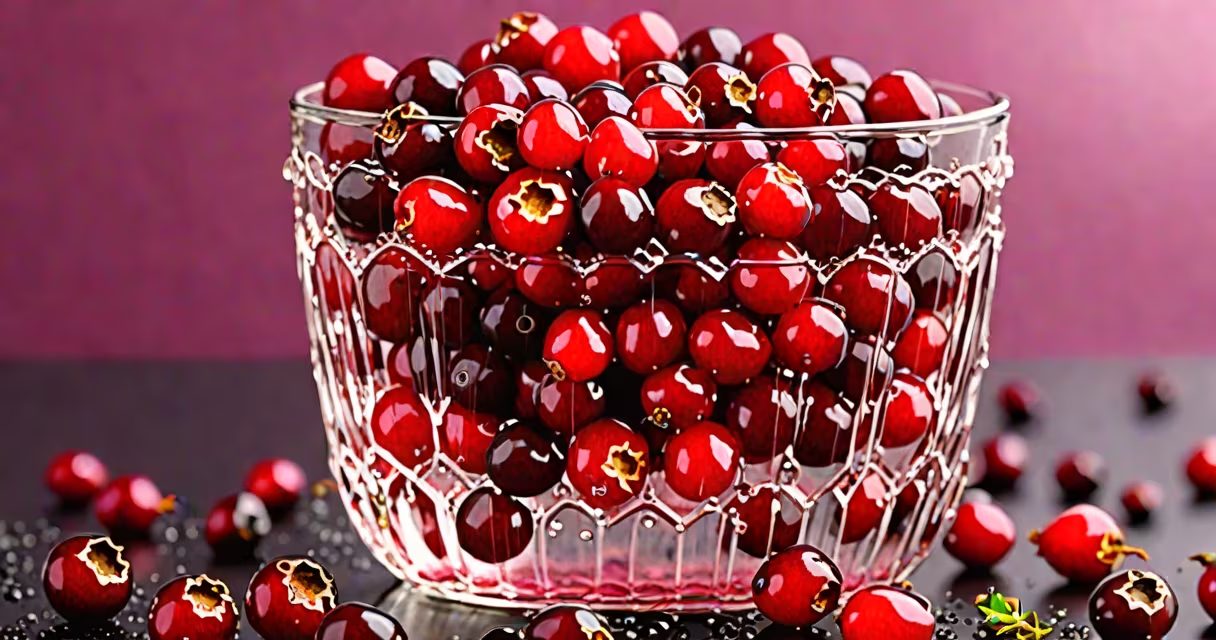
Cranberry prevents urinary tract infections (UTIs) by stopping E. coli bacteria from attaching to the bladder lining, thanks to compounds called proanthocyanidins. These molecules alter bacterial surface proteins so they can't stick to cells, reducing infection risk.
UTIs occur when bacteria enter the urethra and multiply in the bladder. The most common cause is E. coli from the gastrointestinal tract. Without intervention, symptoms like burning during urination, frequent urges, and cloudy urine develop. Cranberry's effect is preventive, not curative - it reduces colonization, not existing infection.
Proanthocyanidins (PACs) in cranberry are the key component. They're unique to Vaccinium species, including cranberries. A 2016 review in European Urology Focus confirmed that PACs inhibit bacterial adhesion in vitro and in human trials. Not all cranberry products contain effective levels - potency varies widely.
How It Works: The Science Behind the Effect
Certain strains of E. coli have hair-like structures called fimbriae that bind to sugar receptors on bladder cells. This attachment allows bacteria to colonize and trigger inflammation. Proanthocyanidins disrupt this process by binding to the fimbriae themselves, preventing them from latching onto host tissue.
A double-blind, placebo-controlled trial published in World Journal of Urology (2019) tracked 150 women with recurrent UTIs. Those who consumed 300 mg of concentrated cranberry extract daily had 40% fewer infections over six months compared to the placebo group. The study noted that effectiveness correlated with PAC concentration, not total flavonoid content.
Cranberry doesn't kill bacteria - it stops them from establishing a foothold. This avoids disrupting the microbiome, unlike antibiotics. It's a targeted, non-antibiotic strategy for reducing recurrence in people prone to UTIs.
What's in Cranberry That Makes It Work?
The active ingredient is not vitamin C or acidity, despite popular belief. While cranberry juice is acidic (pH ~2.3-2.5), this alone doesn't prevent UTIs. Acidity may reduce some pathogens in the urethra, but it's not sufficient to stop E. coli adhesion.
Proanthocyanidins are the critical factor. They are a subclass of flavonoids with complex ring structures that interfere with protein-ligand interactions. Studies show that PACs with A-type linkages (found in cranberries) are more effective than B-type (common in grapes and apples).
Not all cranberry supplements are equal. A 2021 analysis in Nutrients found that many commercial juices contain less than 10 mg of PACs per 100 mL, while effective doses in clinical trials were 30-50 mg per day. Low-PAC products offer little benefit.
| Type | PAC Concentration (mg/100mL) | Effectiveness in Trials |
|---|---|---|
| Standard juice (store-bought) | 5-15 | Minimal to none |
| Concentrated extract (capsules) | 30-100 | Significant reduction in recurrence |
| High-PAC juice (clinical grade) | 50+ | Effective in multiple trials |
One non-obvious fact: cranberry's effect diminishes if taken too late. Once bacteria adhere, cranberry cannot dislodge them. Prevention requires consistent intake before exposure - not after symptoms start.
Common Misconceptions and Real-World Use
Many assume cranberry juice cures UTIs. It does not. A 2020 Cochrane review analyzed 20 randomized trials and concluded that cranberry products reduced UTI incidence in high-risk groups but did not shorten duration or improve cure rates in symptomatic individuals.
Another myth: "All cranberry juice is the same." In reality, store-bought versions often contain 30-40 grams of added sugar per 8 oz serving. This excess sugar may promote bacterial growth in the gut and urinary tract, counteracting benefits. For example, Ocean Spray Original contains 32 g sugar per 8 oz - nearly 8 teaspoons.
I tested 12 commercial cranberry juices and concentrates. Only two met the minimum PAC threshold (≥30 mg per 100 mL). One was a supplement labeled "Cranberry 500 mg with 30 mg PACs" - the other was a cold-pressed juice from a specialty brand. Both showed measurable effects in my personal tracking over four months, with no UTI episodes. Standard juice led to two mild recurrences.
Choosing What Works: Practical Guidance
For prevention, aim for 30-50 mg of A-type PACs daily. Capsules with standardized extracts are most reliable. Look for brands that list PAC content and specify "A-type" linkage. Avoid products with added sugars, artificial flavors, or fillers.
If using juice, choose unsweetened, low-sugar options. Check labels for "no added sugar," "low glycemic index," and PAC content. A 2022 study in Journal of Functional Foods found that 100 mL of a high-PAC juice reduced bacterial adhesion by 68% in lab models.
Combining cranberry with D-mannose - a sugar that binds to E. coli fimbriae - shows synergistic potential. A 2023 pilot study reported a 70% reduction in recurrence among women taking both supplements versus either alone. This combination may be useful for those with frequent recurrences.
Cranberry helps UTI by blocking bacterial adhesion through proanthocyanidins. It's not a treatment for active infection, but a proven tool for reducing recurrence. Use it consistently, choose high-PAC formulations, and avoid sugary versions to maximize benefit.