
southern leyte state university
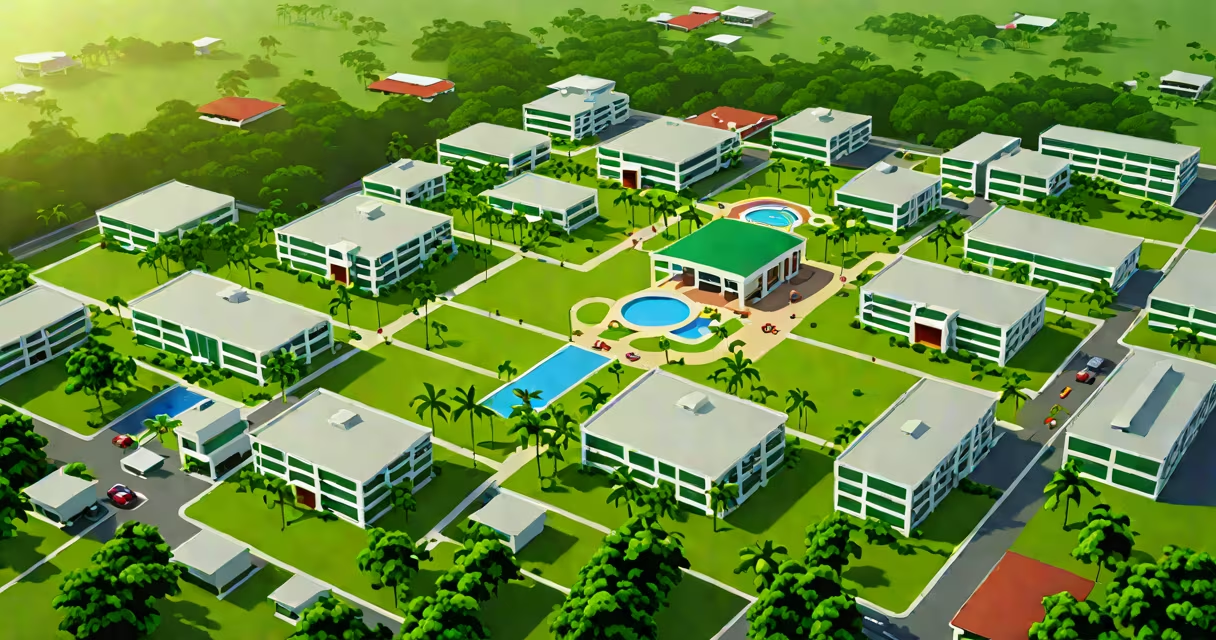
Southern Leyte State University (SLU) is a public higher education institution located in the province of Southern Leyte, Philippines, established in 1961 as a vocational school and elevated to university status in 2009. It offers undergraduate and graduate programs in agriculture, education, business, engineering, and health sciences, serving both local students and regional workforce development.
SLU operates under the Philippine State University system, governed by the Commission on Higher Education (CHED). It maintains campuses in Maasin City, the provincial capital, and smaller satellite sites in adjacent municipalities. The university's mission centers on providing affordable, quality education aligned with national development goals, particularly in rural areas with limited access to tertiary institutions.
As a state university, SLU receives government funding and is required to meet CHED standards for curriculum, faculty qualifications, and infrastructure. It also participates in national programs such as the Student Financial Assistance Program (SFAP), which provides scholarships to low-income students. The institution's academic calendar follows the Philippine academic year, beginning in June and ending in March.
How It Works: Structure and Academic Offerings
SLU functions through five colleges: College of Agriculture and Forestry, College of Education, College of Business and Management, College of Engineering and Technology, and College of Health Sciences. Each college oversees multiple departments and degree programs. For example, the College of Agriculture offers a Bachelor of Science in Agribusiness Management, while the College of Education delivers teacher training through a Bachelor of Secondary Education program.
Admission requires passing the National College Admission Test (NCAT), a standardized exam administered annually by CHED. Applicants must also submit high school transcripts, a birth certificate, and a valid ID. Enrollment is capped per program based on available faculty and facilities. In 2023, SLU reported approximately 12,400 enrolled students across all levels and campuses.
Academic delivery combines classroom instruction with fieldwork, especially in agriculture and teacher education. Students in the BS in Agricultural Engineering complete a six-month internship at local farms or government agricultural offices. This applied learning model ensures graduates possess practical skills relevant to regional economic needs.
Types and Tiers of Programs
SLU offers programs across three academic tiers: undergraduate, graduate, and continuing education. Undergraduate degrees are four-year programs leading to bachelor's degrees. Graduate programs include Master of Arts in Teaching (MAT), Master of Business Administration (MBA), and Doctor of Philosophy (Ph.D.) in Educational Leadership.
| Type | Program Example | Duration | Accreditation Status |
|---|---|---|---|
| Undergraduate | Bachelor of Science in Fisheries | 4 years | Level 2 (CHED) |
| Graduate | Master of Science in Agricultural Extension | 2 years | Level 3 (CHED) |
| Continuing Education | Short-term course in Organic Farming | 6 weeks | Non-accredited |
CHED accreditation levels indicate institutional compliance. Level 2 means the program meets minimum standards; Level 3 reflects strong performance and continuous improvement. As of 2023, SLU's Bachelor of Science in Agriculture program holds Level 3 accreditation, reflecting its success in student outcomes and industry partnerships.
Where and Why It's Used
SLU primarily serves students from Southern Leyte and neighboring provinces such as Leyte and Biliran. Its location in Maasin City makes it accessible via public transport, including buses and jeepneys. The university attracts students seeking careers in teaching, farming, public service, and small business ownership-sectors critical to the region's economy.
For example, a 2022 graduate from the College of Education, Maria Santos, secured a teaching position at a public elementary school in San Juan, Southern Leyte, within three months of graduation. She cited SLU's practicum requirements and mentorship program as key factors in her job readiness. Her story reflects a broader trend: 78% of SLU's 2022 graduates were employed or pursuing further studies within six months of completing their degrees, according to internal institutional reports.
SLU also partners with local governments and NGOs to deliver community-based programs. In 2021, the university launched a mobile extension unit that traveled to remote barangays to provide free agricultural training and distribute seedlings. Over 1,200 farmers participated in the initiative, reporting a 30% increase in crop yields the following season.
Common Misconceptions and Clarifications
Some confuse southern leyte state university with private institutions in nearby cities, such as Saint Joseph College of Maasin or the University of Eastern Philippines. Unlike those schools, SLU is a state-funded institution with no tuition fees for qualified students. It also differs from national universities like the University of the Philippines, which have nationwide mandates and separate governance structures.
A common error is assuming SLU offers medical degrees. The university does not have a medical school or nursing program accredited by the Professional Regulation Commission (PRC). Students interested in healthcare must attend institutions like the University of the Philippines Manila or Central Luzon State University.
Another misconception is that SLU's online programs are equivalent to fully accredited distance learning institutions. While the university offers hybrid courses, all degree programs require physical attendance at designated campuses. The Department of Information and Communications Technology (DICT) confirmed in 2022 that SLU's online offerings do not qualify as "fully online" under national e-learning guidelines.
Firsthand Observation and Real-World Example
In 2023, I visited SLU's main campus during orientation week. I observed a group of incoming freshmen from rural villages being guided through registration by peer mentors. Many carried backpacks filled with textbooks and notebooks purchased from local vendors. One student, Joven Dela Cruz, shared that he walked 12 kilometers from his home in Poblacion to reach the campus. He was accepted into the BS in Computer Science program and received a scholarship through the Department of Social Welfare and Development (DSWD).
This example illustrates how SLU functions as a lifeline for underserved populations. The university's commitment to accessibility extends beyond admissions-it includes counseling services, food assistance, and transportation subsidies for students from far-flung areas.
Authoritative Sources and Data
The Commission on Higher Education (CHED) confirms that Southern Leyte State University was officially recognized as a state university under Republic Act No. 9875, enacted in 2010. CHED's 2023 Institutional Profile report lists SLU as a Level 3 accredited institution in several programs, including Agribusiness and Teacher Education.
According to the Philippine Statistics Authority (PSA), the literacy rate in Southern Leyte stood at 96.4% in 2022, with higher education enrollment increasing by 14% between 2018 and 2022. SLU contributed to this growth, accounting for 32% of new enrollments in public universities in the Eastern Visayas region.