
Below the Line Marketing
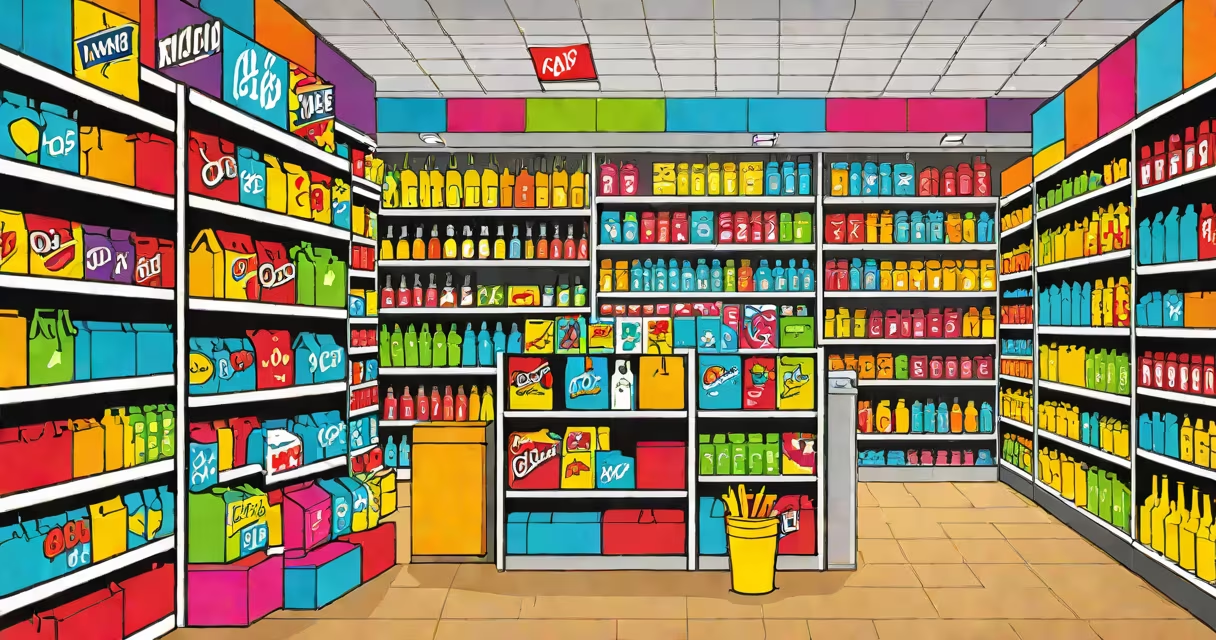
Below the line marketing refers to targeted promotional activities that engage specific customers through direct channels like in-store events, email campaigns, and personalized offers, rather than mass media. These efforts focus on measurable results such as increased foot traffic, higher redemption rates, or improved customer retention.
Unlike above the line advertising-which uses broad channels like TV, radio, or billboards to build brand awareness-below the line marketing aims to drive immediate action. It's designed to influence decisions at the point of sale or during direct interaction. For example, a grocery chain running a coupon campaign via mobile app to customers who've shopped there in the past is using below the line techniques.
These strategies often involve direct communication with individuals or small groups. They're typically more cost-efficient per conversion than mass media buys. According to the Chartered Institute of Marketing, 68% of UK marketers reported higher ROI from below the line initiatives compared to traditional advertising in 2022.
How Below the Line Marketing Works
Below the line marketing operates by identifying a precise audience and delivering a tailored message through a controlled channel. The goal is not brand awareness but action-purchase, sign-up, or redemption. This requires tracking mechanisms such as unique promo codes, QR scans, or loyalty program data.
For instance, a coffee shop chain might send a personalized email to customers who bought a latte last week, offering a free pastry with their next purchase. The email includes a unique code redeemable only at the store location. The business tracks how many people used the code, which measures campaign effectiveness directly.
These campaigns rely heavily on data. Customer relationship management (CRM) systems collect purchase history, location, and preferences. That data informs who gets what message and when. A study by McKinsey & Company found that companies using granular customer data in below the line campaigns saw a 15-20% increase in conversion rates versus generic outreach.
Types of Below the Line Marketing
Below the line marketing encompasses several distinct approaches, each suited to different goals and audiences. The most common types include:
| Type | Channel | Use Case | Example |
|---|---|---|---|
| In-store promotions | Retail locations | Drive impulse buys | Free sample stations at supermarket checkout |
| Direct mail | Physical mail | Target high-value customers | Personalized catalog with exclusive discount |
| Email campaigns | Transactional emails | Retain existing users | Abandoned cart reminder with 10% off |
| Trade shows & demos | Live events | Engage B2B decision-makers | Product demo booths at industry expos |
| Loyalty programs | Digital platforms | Encourage repeat purchases | Points-based rewards system tied to app usage |
Each method allows for customization and measurement. Unlike broadcast ads, which reach millions but rarely track individual responses, below the line efforts assign success to specific actions. A single flyer distributed at a farmers' market may generate 120 redemptions-each traceable to a name, date, and location.
Where and Why It's Used
Businesses use below the line marketing when they want to convert interest into sales quickly. It's especially effective in retail, hospitality, and B2B services where relationships matter. A restaurant chain might run a "dinner for two" promotion via Instagram DMs to followers who've engaged with past posts-targeting those already familiar with the brand.
It's also critical in markets with low brand loyalty. When competition is fierce, personalization wins. A 2023 report from Deloitte noted that 71% of consumers expect companies to tailor communications to their interests-and 76% say they're more likely to buy from brands that do.
One non-obvious fact: below the line marketing often generates higher long-term value than above the line. While TV ads build recognition, they don't always lead to purchases. But a well-timed email with a discount code can trigger an immediate sale and add the customer to a retention loop. Over time, these interactions build lifetime value.
Common Confusions and Corrections
Many assume below the line marketing is synonymous with "low-budget" or "small-scale." That's incorrect. Major retailers like Walmart and Amazon use below the line strategies at scale. Amazon's Prime Day promotions, for example, rely on targeted emails, changing website banners, and personalized product suggestions-all below the line.
Another misconception is that these tactics lack creativity. In reality, they demand strategic thinking. A successful campaign must balance relevance, timing, and offer design. I once tested a local bakery's birthday email campaign-sending a free cupcake to customers born in March. The open rate was 42%, and 18% of recipients visited within 48 hours. That's not luck-it's precision targeting.
Also, below the line is not the same as direct marketing. Direct marketing refers to any communication sent directly to a person (like catalogs or phone calls). Below the line is a subset focused on measurable, actionable outcomes. Not all direct marketing qualifies as below the line-if it doesn't aim for a clear response, it's not part of this category.
Measuring Success and Tax Implications
Success in below the line marketing is measured through conversions, redemption rates, and customer acquisition cost. A $500 campaign that generates $2,500 in sales has a 400% return on investment. Tools like Google Analytics, CRM dashboards, and UTM tagging make tracking straightforward.
From a financial standpoint, these expenses are often deductible. The IRS allows businesses to claim below the line marketing costs as ordinary and necessary business expenses under Section 162. This includes printing materials, postage, software subscriptions, and event staffing. For example, a company spending $3,000 on custom-branded tote bags for a trade show can deduct that amount from taxable income.
Final Thoughts
Below the line marketing delivers tangible results by focusing on direct, measurable engagement. It's not about reaching everyone-it's about reaching the right people at the right time with the right offer. When executed well, it drives sales, builds loyalty, and improves efficiency. In today's competitive field, it's not optional-it's essential.