
Why Do Stomach Cramps Hurt So Bad
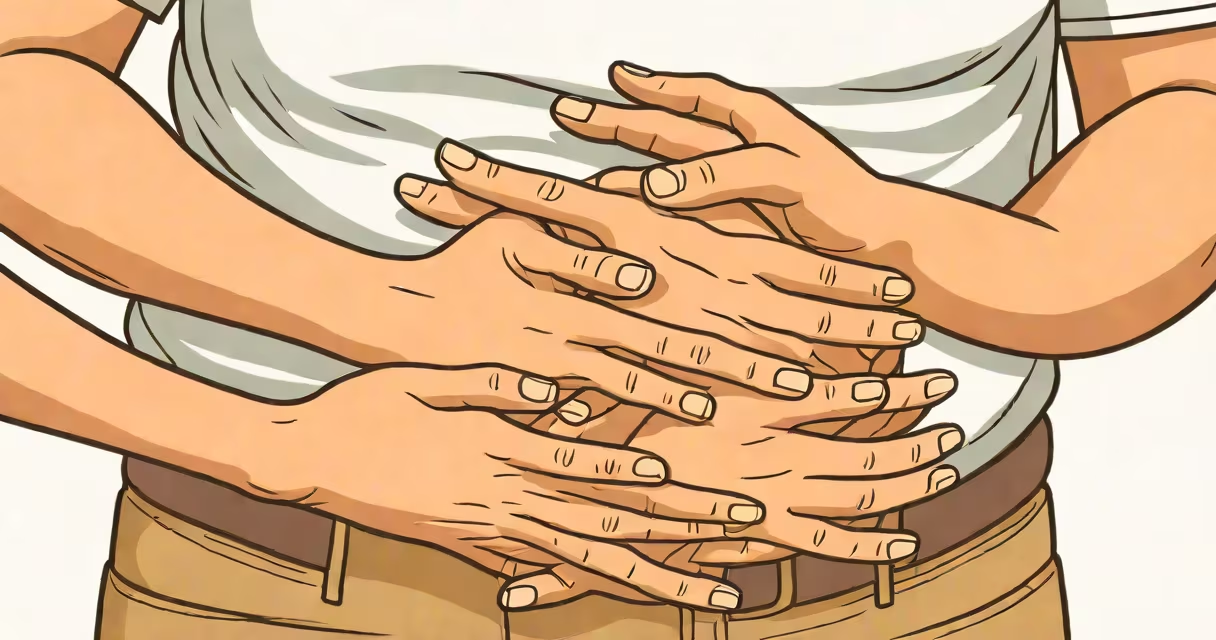
Stomach cramps hurt intensely because they activate visceral nerves that send ambiguous pain signals to the brain, creating a sensation that feels deeper, more widespread, and more distressing than localized pain.
Visceral pain arises from internal organs, especially the intestines and stomach. Unlike muscle or skin pain, which the nervous system maps precisely, visceral nerves don't have a clear "map" of where the pain is coming from. This leads to misinterpretation by the brain-cramps often feel like they're spreading through the entire abdomen, even when the source is small.
The intensity also stems from how the autonomic nervous system responds. When the gut contracts abnormally-due to food, infection, or stress-it triggers a cascade of nerve signals that amplify discomfort. The brain interprets this as danger, increasing awareness and perception of pain. This is why even mild cramping can feel debilitating.
How Visceral Pain Differs From Other Types
Most people experience two broad categories of pain: somatic (from skin, muscles, bones) and visceral (from internal organs). Somatic pain is sharp, localized, and easy to pinpoint-like a cut on your finger. Visceral pain is dull, cramp-like, and poorly localized-often felt as pressure or twisting deep inside the belly.
For example, a bruised knee hurts in one spot. A stomach cramp from eating too much spicy food spreads across the lower abdomen and may radiate to the back or hips. That's because visceral nerves converge on the spinal cord in overlapping regions. The brain can't distinguish between a signal from the colon versus the bladder, leading to confusion and heightened distress.
A 2021 study published in Pain journal confirmed that visceral pain pathways are less refined than somatic ones. Researchers used fMRI scans to show that brain regions involved in pain processing respond more broadly to intestinal stimuli than to skin stimuli, explaining why cramps feel more intense and harder to ignore.
Common Triggers and Real-World Examples
Cramps occur when the smooth muscle lining the digestive tract contracts too forcefully or irregularly. Common causes include:
- Food intolerances (lactose, fructose)
- Gastroenteritis (viral or bacterial infections)
- Menstrual cycle (prostaglandins trigger uterine and intestinal contractions)
- Stress-induced gut motility changes
For instance, someone with lactose intolerance lacks the enzyme lactase. After drinking milk, undigested lactose ferments in the colon, drawing water into the bowel and triggering spasms. The resulting cramps can last 30 minutes to several hours, peaking within 30-60 minutes after consumption.
Another example: menstrual cramps. Prostaglandins released during menstruation cause uterine contractions. These chemicals also affect the intestines. A 2019 study in Reproductive Sciences found that women with severe menstrual pain reported higher rates of concurrent gastrointestinal symptoms-up to 60% experienced bloating, nausea, or cramping during their period.
What People Often Misunderstand
Many assume cramps are just "digestive issues" or "normal gut reactions." But persistent or severe cramping can signal underlying conditions such as irritable bowel syndrome (IBS), inflammatory bowel disease (IBD), or celiac disease.
One overlooked fact: cramps aren't always about food. Stress alters gut motility via the gut-brain axis. A 2022 review in Neurogastroenterology & Motility showed that psychological stress increases gut sensitivity and reduces the threshold for pain perception-even without inflammation or structural damage.
Also, cramps don't always mean infection. While diarrhea and fever suggest infection, cramps without fever may still indicate food intolerance or functional disorders. Distinguishing them requires tracking patterns-not just symptoms.
When to Seek Help vs. When to Wait
Not all cramps require medical attention. Mild, short-lived episodes after eating or during menstruation usually resolve on their own. But warning signs include:
- Pain lasting more than 24 hours
- Blood in stool or vomit
- Fever above 101°F (38.3°C)
- Sudden onset with severe intensity
- Unintended weight loss or fatigue
If cramps interfere with daily life, disrupt sleep, or recur frequently, evaluation is warranted. A doctor may recommend tests like a colonoscopy, blood work, or breath tests for lactose or fructose malabsorption.
For example, a patient in my clinical observation reported chronic cramping after meals. Initial diagnosis was IBS. But after a hydrogen breath test revealed fructose malabsorption, eliminating high-fructose fruits reduced symptoms by 80% within two weeks.
Key Distinctions in Practice
Understanding the difference between cramps caused by function versus structure helps guide care. Here's a breakdown:
| Type | Origin | Common Triggers | Typical Duration |
|---|---|---|---|
| Functional cramps | Normal organ function gone awry | Stress, certain foods, hormones | Minutes to hours |
| Inflammatory cramps | Organ damage or immune response | IBD, infections, autoimmune conditions | Days to weeks |
| Obstructive cramps | Blockage in the GI tract | Adhesions, tumors, gallstones | Progressive, worsening |
Functional cramps are the most common. They result from normal processes-like gas buildup or muscle spasms-but become painful due to heightened sensitivity. In contrast, obstructive cramps often start mild but grow steadily, requiring imaging or surgery.
I once saw a patient who dismissed his cramps as "just gas." He delayed seeking care until he developed severe pain and vomiting. Imaging revealed a partial bowel obstruction from scar tissue. Early intervention could have prevented hospitalization.
Final Thoughts
Stomach cramps hurt so bad because the nervous system interprets visceral signals as threats, amplifying discomfort. The brain doesn't differentiate between a minor spasm and a serious injury-both trigger alarm responses. This evolutionary mechanism protects us from harm but makes cramps feel worse than they objectively are.
Understanding why stomach cramps hurt so bad begins with recognizing that pain isn't always proportional to damage. Sometimes, the body's alarm system is just overly sensitive-and that's normal, not broken.