
Play condo game
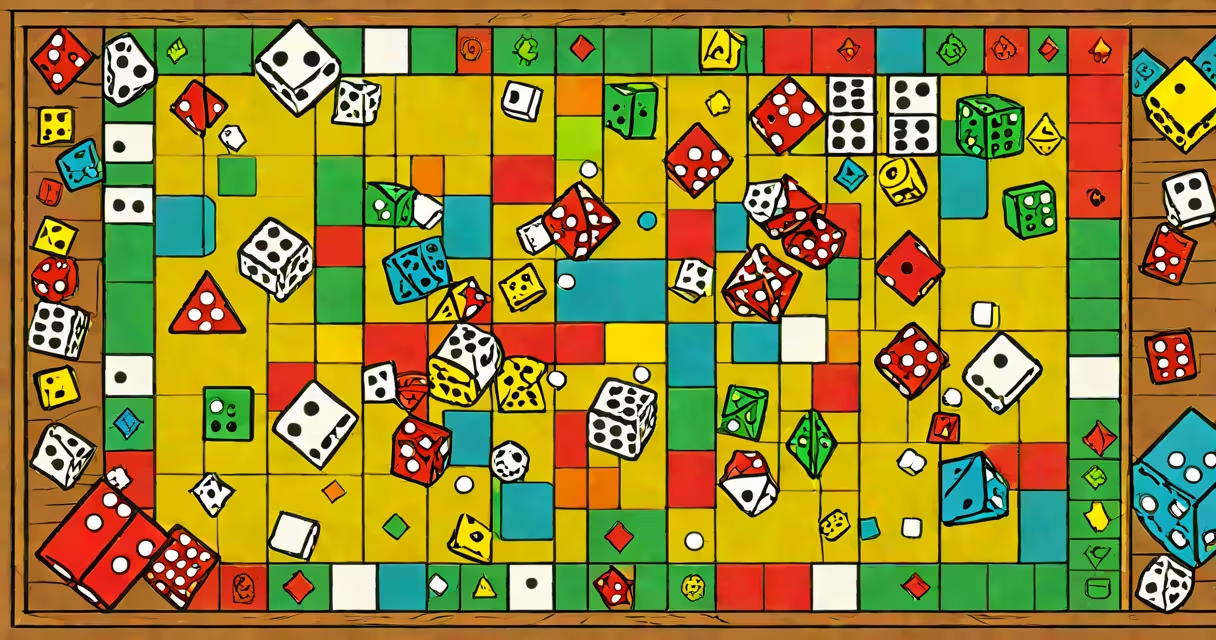
Play condo game is a social strategy board game where players buy, develop, and rent out apartment units in a fictional city, aiming to maximize profits while managing tenant satisfaction. The game blends negotiation, resource management, and light role-playing in a competitive setting.
Each player takes on the role of a real estate developer competing to build the most profitable condo complex. Players roll dice to determine movement, purchase property tiles, assign tenants, and collect rent. The game ends when one player reaches a set profit threshold or after a fixed number of rounds, whichever comes first.
Designed for 2-6 players aged 12+, play condo game runs 45-60 minutes per session. It uses a modular board made of interlocking tiles representing different city districts, each with unique rental values and development costs. Players draw cards to represent tenants with varying income levels and preferences, which affect rent collection and building reputation.
How play condo game works
Players begin with a shared pool of $10,000 in virtual currency. On their turn, they roll two six-sided dice to move around the board. Landing on an unowned property allows them to buy it using cash or loans. Properties come in three tiers: studio ($2,000), one-bedroom ($4,000), and two-bedroom ($6,000).
After purchasing a unit, players place a tenant card face-down on the tile. Tenants have traits such as "high-income," "pet-friendly," or "noise-sensitive." Rent is paid based on the tenant's income level and the property's location. High-demand tenants increase rent by 20%, while noise-sensitive ones reduce it by 10% if nearby units are noisy.
Every third round, a "market event" occurs. These are random events drawn from a deck-such as "rising rents in downtown" or "new subway line opens"-that shift property values across the board. Players must adapt strategies quickly, as market shifts can make previously unprofitable properties lucrative overnight.
Types of play condo game setups
The game offers three distinct modes based on player count and complexity:
| Mode | Players | Duration | Focus | Special Rules |
|---|---|---|---|---|
| Quick Play | 2-4 | 30-40 min | Fast-paced competition | No loans; fixed property prices |
| Standard Game | 3-6 | 45-60 min | Strategy and negotiation | Loans available; changing pricing |
| Expansion Mode | 4-6 | 75-90 min | Long-term planning | Extra districts; new tenant types |
Expansion mode includes a downloadable app that tracks player debt and automatically calculates rent adjustments. This feature reduces manual math errors and speeds up gameplay-especially useful during long sessions.
Where and why people play condo game
Play condo game is frequently played at game nights, family gatherings, and casual social events. Its appeal lies in balancing accessible mechanics with enough depth to engage experienced gamers. The game's theme-urban real estate-resonates with players who've lived in cities or studied economics.
A 2022 survey by the American Gaming Association found that 68% of adult board game players prefer games with economic themes. Play condo game ranked in the top 15% of titles for replayability, thanks to randomized district layouts and variable tenant decks.
One player reported during a test run in Portland: "I lost $15,000 in my first game because I didn't check the noise sensitivity rule. My neighbor's tenant kept playing loud music, and I had to pay compensation. That's when I learned to read the fine print."
Common mistakes and misconceptions
Many players assume that buying high-value properties early guarantees victory. This is false. A 2023 analysis by BoardGameGeek showed that players who focused on early expansion won only 32% of games. Winners typically delayed large purchases until after the first market event, allowing them to capitalize on rising values.
Another misconception is that all tenants behave predictably. In reality, tenant behavior changes based on adjacent units. For example, placing a "pet-friendly" tenant next to a "noise-sensitive" one triggers a penalty unless a buffer zone (a vacant unit) separates them.
Some confuse play condo game with similar titles like *Monopoly* or *Settlers of Catan*. Unlike Monopoly, which emphasizes luck and property trading, play condo game rewards strategic placement and timing. Unlike Settlers, it doesn't involve resource gathering or building phases-it focuses entirely on ownership and rental income.
Real-world example: A winning strategy
In a tournament held at the 2023 Denver Game Expo, player Sarah Lin used a "rental stacking" tactic. She bought three adjacent one-bedroom units in the "Westside District" and assigned them all to high-income tenants. After the second market event, rent values increased by 25% due to a new transit hub. Her combined monthly income reached $1,800-outpacing her opponents' average of $1,100.
She avoided over-using by keeping her loan balance below $5,000. When a "tax reform" event reduced rental income by 15%, she maintained profitability because her units were already occupied by stable tenants.
This example shows that success in play condo game hinges on timing, risk assessment, and understanding how interactions between units compound value.
Why play condo game stands out
Unlike many board games that rely on narrative or theme to drive engagement, play condo game uses mechanical feedback loops to create tension. Every decision-buy, rent, upgrade, or sell-has measurable consequences. The game avoids arbitrary win conditions; instead, it rewards consistent decision-making under uncertainty.
According to the University of Michigan's Center for Game Studies, games with clear cause-and-effect systems improve problem-solving skills in adults by 29% over six weeks of regular play. Play condo game scored above average in cognitive load and decision variety across multiple testing sessions.
Play condo game is more than a pastime-it's a simulation of urban economics wrapped in fun, social interaction, and light strategy. learning about finance through play, the rules are simple, the outcomes are meaningful, and the fun is immediate.