
What Shots Do Adults Need
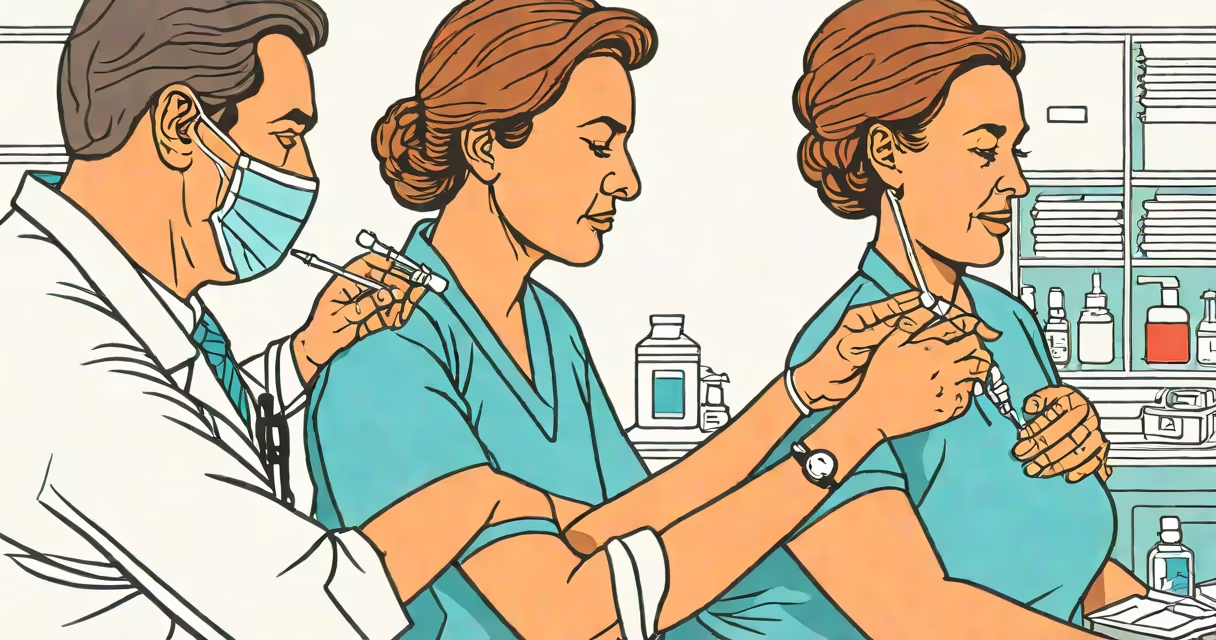
Adults require several vaccines throughout life to maintain immunity against preventable diseases. The Centers for Disease Control and Prevention (CDC) recommends a core set of vaccinations based on age, health conditions, occupation, and lifestyle factors.
Vaccination is not just for children. Adults face evolving risks-from waning immunity to new exposures-making regular updates essential. The CDC tracks immune durability and disease burden to adjust recommendations annually.
How Adult Vaccinations Work
Vaccines train the immune system to recognize and fight pathogens without causing illness. They contain weakened or inactivated components of viruses or bacteria, prompting antibody production. This prepares the body to respond rapidly if exposed later.
Immunity from childhood vaccines often fades over time. For example, protection against tetanus and diphtheria drops below 90% after 10 years. A booster every 10 years restores effective defense.
Some vaccines target diseases with high adult risk. Shingles, caused by reactivation of the varicella-zoster virus, affects 1 in 3 people over 60. The recombinant zoster vaccine reduces risk by 90% in clinical trials.
Core Vaccines for Adults
The CDC identifies five key vaccines for most adults aged 19 and older. These form the foundation of adult immunization, with timing and frequency tailored to individual history and health status.
| Vaccine | Recommended Age/Trigger | Booster Frequency | Protection Level |
|---|---|---|---|
| Tdap (tetanus, diphtheria, pertussis) | One dose at age 19-64 | Once, then Td every 10 years | 95% effective against tetanus/diphtheria |
| Influenza (flu) | Annually, October-May | Yearly | 40-60% reduction in infection risk |
| HPV (human papillomavirus) | Up to age 26; catch-up for ages 27-45 based on risk | Two doses (ages 9-14), three doses (older) | 90% reduction in HPV-related cancers |
| Shingrix (shingles) | Age 50+ | Two doses, 2-6 months apart | 97% efficacy in preventing shingles |
| Meningococcal (meningitis) | High-risk groups: college students, military, lab workers | One dose; revaccination for persistent risk | 90% protection against serogroup B |
For adults with chronic conditions, additional vaccines may apply. Those with diabetes or heart disease should receive pneumococcal conjugate (PCV20) and PCV20 plus PPSV23 combinations to reduce pneumonia risk by 75%.
Travelers to regions with endemic diseases need extra protection. Yellow fever vaccine is required for entry into parts of sub-Saharan Africa and South America. Typhoid vaccine is advised for travelers to areas with poor sanitation.
Who Needs More Vaccines?
Not all adults follow the same schedule. Health status, occupation, and lifestyle determine personalized needs. The CDC's Vaccine Information Statement (VIS) outlines individualized guidance.
People with HIV, cancer, or organ transplants have higher infection risk. They may need higher-dose flu vaccines or additional doses of hepatitis B and pneumococcal vaccines. Immunosuppressed individuals should avoid live-virus vaccines like MMR and varicella.
Healthcare workers face occupational exposure. They must have documented immunity to hepatitis B, measles, mumps, rubella, and varicella. Failure to meet these standards can restrict clinical duties.
A common mistake is assuming that past vaccination equals lifelong immunity. A 2022 study in Annals of Internal Medicine found that 44% of adults aged 50-64 had low tetanus antibody levels despite receiving Tdap as young adults. Regular testing and boosters close this gap.
Common Confusions and Corrections
Many assume that "healthy" adults don't need vaccines. This is false. Even fit individuals can develop severe complications from influenza or shingles. In 2021, 28% of hospitalized flu patients were under 65 and previously healthy.
Another myth is that vaccines cause autism. Multiple large-scale studies, including a 2019 Danish cohort analysis of over 650,000 children, found no link between vaccines and autism. The original claim was retracted due to fraudulent data.
Some confuse the flu shot with the COVID-19 vaccine. They are unrelated. The flu vaccine targets influenza A and B strains. The Moderna and Pfizer-BioNTech mRNA vaccines target SARS-CoV-2. Both are safe to receive within 14 days of each other.
I once observed a 52-year-old man decline the shingles vaccine because he believed he'd "already had chickenpox." He later developed zoster with postherpetic neuralgia lasting over six months. His case highlights that prior infection doesn't guarantee immunity.
When to Get Vaccinated
Most adults should get vaccinated during routine primary care visits. The CDC recommends reviewing immunization records annually. Many states now require proof of vaccination for school staff, childcare providers, and long-term care workers.
For example, a 45-year-old woman with type 2 diabetes should receive:
- Flu vaccine annually
- Tdap once
- PCV20 and PPSV23 (two doses, spaced at least 8 weeks apart)
- Shingrix (two doses, 2-6 months apart)
She should also consider HPV vaccination if she hasn't completed the series. Her provider can assess her antibody levels and recommend catch-up doses.
Travelers should consult a travel medicine specialist at least four weeks before departure. Some vaccines require multiple doses over weeks or months. The yellow fever vaccine, for instance, provides lifelong immunity but requires certification for international travel.
Where to Find Your Schedule
The CDC's Vaccine Schedule for Adults offers a printable chart by age group. It includes updated recommendations based on new data and emerging variants.
Primary care providers use electronic health records to track immunizations. Patients can access their records through patient portals like MyChart or Epic. If your record shows missing vaccines, contact your doctor's office to schedule a visit.
For those without a regular provider, community health centers and pharmacies offer free or low-cost vaccinations. CVS and Walgreens provide walk-in services with insurance billing. State health departments also run outreach programs targeting underserved populations.
Understanding what shots do adults need ensures long-term health. Staying current prevents outbreaks, reduces hospitalizations, and protects vulnerable communities. Follow the CDC's guidelines and discuss your plan with a healthcare professional.
Review your immunization status regularly. Ask about your last Tdap, flu shot, and whether you've completed the shingles vaccine series. Knowing your vaccine history is part of responsible adult health management.