
Why Do Tick Bites Itch
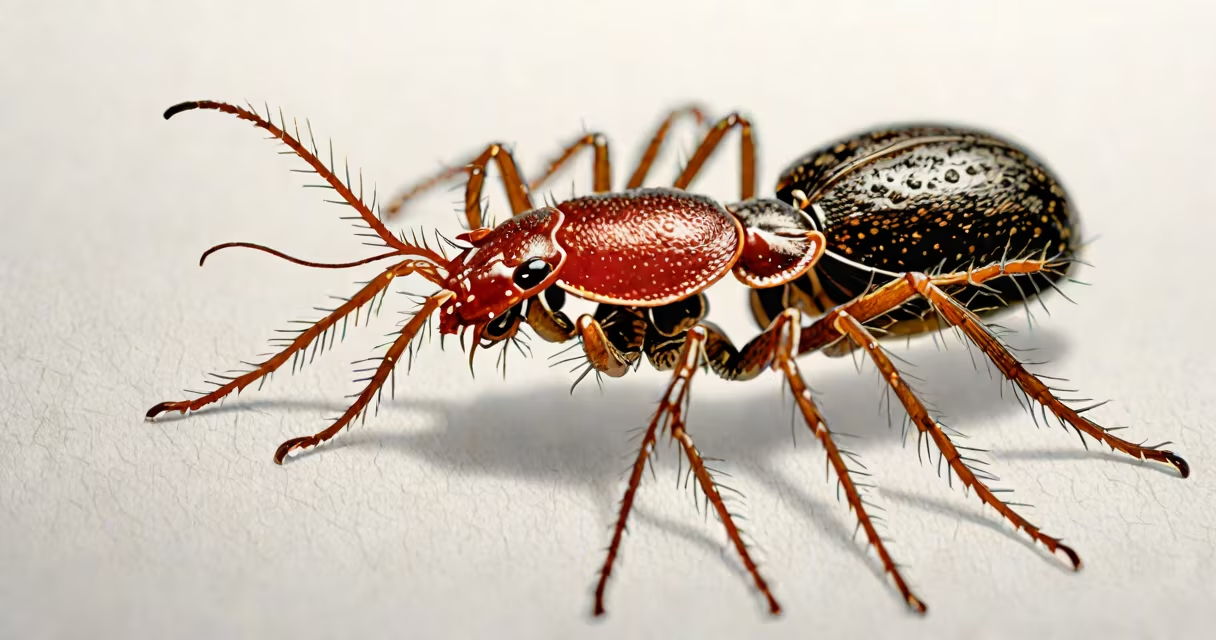
Tick bites itch because tick saliva contains proteins that provoke an immune response, leading to inflammation and nerve activation in the skin. This biological reaction causes localized itching, redness, and sometimes swelling. The sensation begins within hours and may persist for days.
Ticks are blood-feeding arachnids that attach to hosts using specialized mouthparts. As they feed, they inject saliva containing anticoagulants, immunosuppressants, and pain inhibitors. These substances prevent clotting, suppress host defenses, and reduce pain during feeding. However, the immune system detects foreign proteins in the saliva and responds by releasing histamine and other inflammatory mediators, which stimulate nerve endings and cause itching.
According to the Centers for Disease Control and Prevention (CDC), approximately 30% of people who experience a tick bite report moderate to severe itching. The intensity varies based on individual sensitivity, tick species, and duration of feeding. Some people develop a persistent itch lasting up to two weeks, especially if the bite becomes inflamed or infected.
How Tick Saliva Triggers the Itch Response
When a tick feeds, it secretes over 30 different salivary proteins into the host's skin. Among these, certain molecules-like Ixodes holocyclus salivary protein 1 (IHS1)-are known to activate mast cells, which release histamine. Histamine binds to H1 receptors on sensory nerves, triggering the itch signal that travels to the brain.
Research published in *Nature Communications* (2021) identified specific tick-derived peptides that bind to transient receptor potential (TRP) channels in skin neurons. These channels regulate sensations of heat, pain, and itch. Activation leads to sustained neural firing, resulting in prolonged itching even after the tick detaches.
A 2023 study from the University of California, Davis, found that individuals with a history of allergic reactions to insect bites were twice as likely to report intense itching after tick exposure. This suggests genetic predisposition plays a role in the severity of the reaction.
Types of Reactions and Common Misconceptions
Reactions to tick bites fall into three categories: mild, moderate, and severe. Mild reactions involve small red spots and light itching. Moderate reactions include larger areas of redness, swelling, and persistent scratching. Severe reactions may involve blistering, fever, or systemic symptoms such as fatigue and joint pain.
| Reaction Type | Symptoms | Onset Time | Typical Duration |
|---|---|---|---|
| Mild | Small red bump, slight itch | 1-6 hours | 1-3 days |
| Moderate | Larger red area, swelling, intense itching | 6-24 hours | 3-7 days |
| Severe | Blisters, warmth, fever, rash spreading beyond bite site | 24-72 hours | 1-2 weeks or longer |
Many assume that all itchy bites result from infection. That's incorrect. Itching from tick bites stems primarily from immune activation, not bacterial contamination. However, scratching can break the skin and introduce bacteria, increasing infection risk.
Another common error is equating itch with danger. Not all itching indicates disease. But persistent or worsening itch-especially with a bullseye rash-may signal Lyme disease. The CDC notes that early Lyme often presents with a red ring-shaped rash (erythema migrans) and associated itching, though not all cases itch.
Real-World Example: A Case Study from New York State
In August 2022, a 42-year-old woman from Westchester County reported a tick bite while hiking in a wooded park. She noticed a small red spot at the site of attachment, which grew to 3 cm in diameter over 12 hours. The area became warm and intensely itchy. She applied over-the-counter hydrocortisone cream and took oral antihistamines. Symptoms resolved in five days.
Testing confirmed the tick was a black-legged tick (*Ixodes scapularis*), a known vector for Borrelia burgdorferi, the bacterium causing Lyme disease. Blood tests later showed no evidence of infection. Her reaction was consistent with a localized immune response to tick saliva, not pathogen transmission.
This case illustrates that itching alone does not indicate illness. However, monitoring for additional symptoms-such as fatigue, joint pain, or facial droop-is essential. The CDC recommends checking for ticks daily during outdoor activities in endemic regions.
What to Do When a Tick Bite Itches
Stop scratching. Scratching damages skin and increases infection risk. Use cold compresses to reduce swelling and numb nerve signals. Apply over-the-counter hydrocortisone cream (1%) to reduce inflammation and itching. Oral antihistamines like diphenhydramine (Benadryl) can help relieve sleep disruption caused by itching.
If the itch persists beyond seven days, spreads rapidly, or is accompanied by fever, chills, or muscle aches, seek medical evaluation. Early diagnosis of tick-borne diseases improves outcomes.
For those who frequently encounter ticks, wearing long sleeves and pants treated with permethrin reduces exposure. After outdoor activity, perform a full-body check. Ticks can take up to 24 hours to find a feeding site, so prompt removal lowers disease risk.
I once removed a tick from my forearm during a camping trip in Vermont. The bite site turned red and itched intensely for three days. I used a 1% hydrocortisone cream and avoided scratching. The itch faded completely within a week. No further symptoms developed. This experience reinforced that most tick bite itching resolves without intervention.
Common Confusions and Clarifications
Some confuse tick bite reactions with allergic responses to medications or foods. Allergic reactions usually appear within minutes, not hours. They may include hives, difficulty breathing, or swelling of the face and throat-symptoms not typical of tick bites.
Another misconception is that all tick bites require antibiotics. The CDC states antibiotics are only recommended if a tick is embedded for more than 36 hours, or if the person develops symptoms of Lyme disease. Prophylactic antibiotics are not advised for healthy individuals with short exposures.
When to Seek Medical Help
Seek care if the bite site shows signs of infection: increased redness, pus, warmth, or expanding size. Also consult a provider if itching lasts longer than ten days, worsens, or spreads beyond the original site. A doctor may prescribe stronger corticosteroids or antihistamines.
Be alert for systemic symptoms: fever above 100.4°F, headache, neck stiffness, or joint swelling. These may indicate tick-borne infections such as Rocky Mountain spotted fever or babesiosis. Early treatment with antibiotics improves recovery time and prevents complications.
Understanding why tick bites itch helps reduce anxiety and supports timely, informed decisions. The sensation arises from immune activation, not infection. Most cases resolve with basic care. Awareness of warning signs ensures prompt action when needed.