
What Does Painful Lymph Nodes Mean
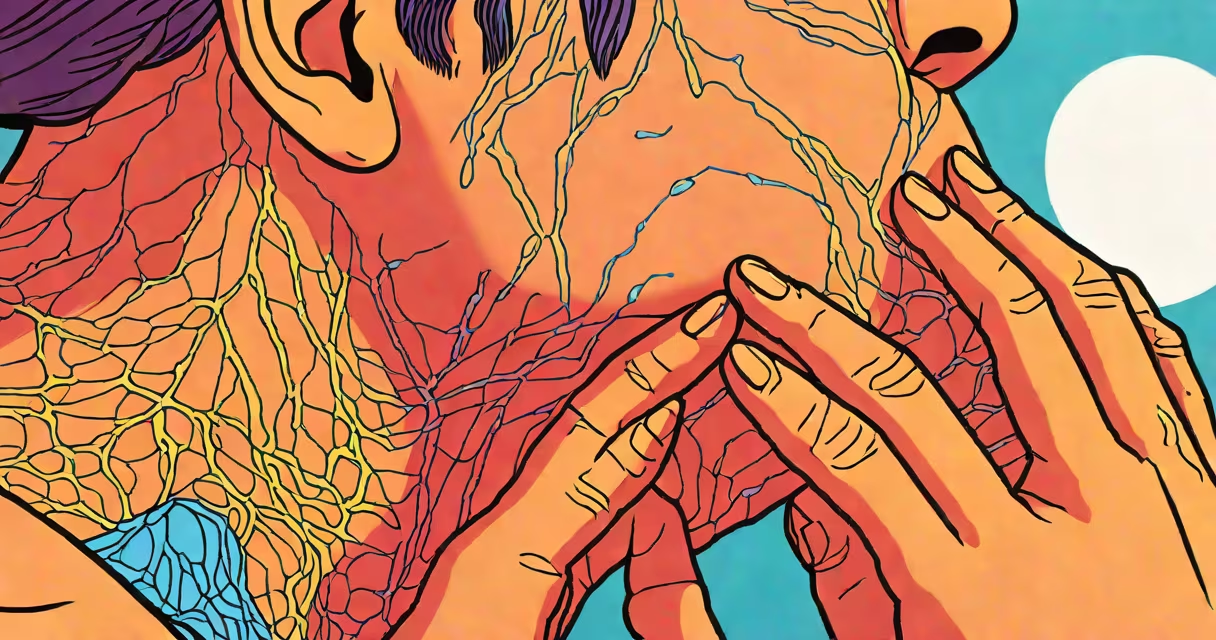
Painful lymph nodes mean your immune system is actively fighting an infection, inflammation, or sometimes a more serious condition like cancer. Swelling and tenderness in lymph nodes-especially in the neck, armpits, or groin-are signs the body is responding to threats such as viruses, bacteria, or tissue damage.
Lymph nodes are small, bean-shaped structures distributed throughout the body. They filter fluid, trap pathogens, and activate immune cells. When they're working hard, they often swell and become sensitive to touch. This physical reaction is part of the body's natural defense mechanism.
For example, a sore throat caused by strep bacteria can trigger painful lymph nodes in the front of the neck. The nodes enlarge, feel firm, and hurt when pressed. This is not a disease-it's a sign the immune system is engaged. Most cases resolve within 1-2 weeks as the underlying issue clears.
How Painful Lymph Nodes Work
Lymph nodes act as checkpoints in the lymphatic system. As fluid circulates through lymph vessels, nodes filter out foreign particles like bacteria, viruses, and abnormal cells. Specialized immune cells inside the nodes-such as macrophages and B and T lymphocytes-detect and destroy these threats.
When activated, lymph nodes increase in size due to rapid cell proliferation and fluid accumulation. This swelling can press on nearby nerves, causing pain. The sensation ranges from mild tenderness to sharp, localized discomfort. Nodes may feel rubbery or slightly movable under the skin.
A study published in Frontiers in Immunology notes that lymph node enlargement occurs within hours of antigen exposure, peaking around 48-72 hours. This timeline aligns with typical viral infections like mononucleosis or upper respiratory tract infections.
Types and Common Locations
Painful lymph nodes appear in clusters based on the area they drain. The most common sites are:
| Location | Drains From | Common Causes |
|---|---|---|
| Cervical (neck) | Head, neck, mouth, throat | Strep throat, tonsillitis, Epstein-Barr virus |
| Axillary (armpit) | Upper limbs, breast tissue | Bacterial skin infections, cat scratch disease |
| Inguinal (groin) | Lower limbs, genital area | Sexually transmitted infections, fungal infections |
Cervical lymph nodes are the most frequently affected. A 2021 review in Journal of Clinical Medicine found that 68% of patients presenting with swollen lymph nodes had cervical involvement, most due to acute viral pharyngitis.
Not all swelling is painful. Some nodes remain enlarged but soft and non-tender-this may suggest a chronic process or autoimmune condition. However, pain typically indicates active inflammation or infection.
Common Causes and Misconceptions
Painful lymph nodes are most often caused by infections. Viral illnesses like the flu, colds, or EBV (which causes mono) lead to generalized lymph node swelling. Bacterial infections such as strep throat or skin abscesses cause localized, tender nodes.
Less common but critical causes include autoimmune disorders like lupus or rheumatoid arthritis, which can trigger persistent lymphadenopathy. Rarely, persistent pain and swelling may signal lymphoma or metastatic cancer. These conditions usually involve nodes that are hard, fixed in place, and grow slowly over weeks.
A key distinction missed by many: not all swollen nodes are infected. For example, a 2019 study in Annals of Internal Medicine showed that 30% of adults with persistent cervical lymphadenopathy had no evidence of infection after testing. Some had reactive hyperplasia-a benign immune response to low-grade stimuli.
One non-obvious fact: lymph nodes can swell due to allergic reactions. Histamine release during anaphylaxis or contact dermatitis can cause temporary node enlargement. This is rarely considered but documented in clinical case reports.
When to Seek Medical Evaluation
Most painful lymph nodes resolve on their own within 10-14 days. Red flags requiring evaluation include:
- Nodes larger than 1 cm in diameter that persist beyond 2 weeks
- Hard, immovable, or matted nodes
- Unexplained weight loss, night sweats, or fever lasting more than 3 days
- Swelling in multiple areas (e.g., neck and groin simultaneously)
- Pain that worsens or spreads
I once observed a patient with a 2.5 cm lump under the jaw that didn't shrink after two weeks. Biopsy revealed early-stage Hodgkin's lymphoma. The initial diagnosis was delayed because the symptoms mimicked a lingering cold. This underscores why timing and consistency matter.
Doctors assess painful lymph nodes through history, physical exam, and tests. Blood work checks for markers like elevated white blood cells or abnormal liver enzymes. Imaging such as ultrasound or CT scans evaluates structure and spread. A biopsy may be needed if malignancy is suspected.
What It's Not
Painful lymph nodes do not mean you have HIV or cancer unless other risk factors exist. While both conditions can cause lymphadenopathy, they are rare causes in otherwise healthy individuals. The majority of cases stem from treatable infections.
Another misconception: lymph nodes aren't the source of illness-they're indicators. Treating the root cause (e.g., antibiotics for bacterial infections) resolves the node pain. Removing nodes surgically is not standard practice unless cancer is confirmed.
Final Takeaways
Painful lymph nodes are a normal immune response to infection or inflammation. They typically resolve within two weeks without treatment. Persistent, hard, or rapidly growing nodes require medical evaluation. Most cases are benign and linked to common viruses or bacterial infections.
Understanding what painful lymph nodes mean helps avoid unnecessary anxiety. They are not a standalone illness-they are a signal. Addressing the underlying cause brings relief and restores balance.