
What Do English Muffins Taste Like
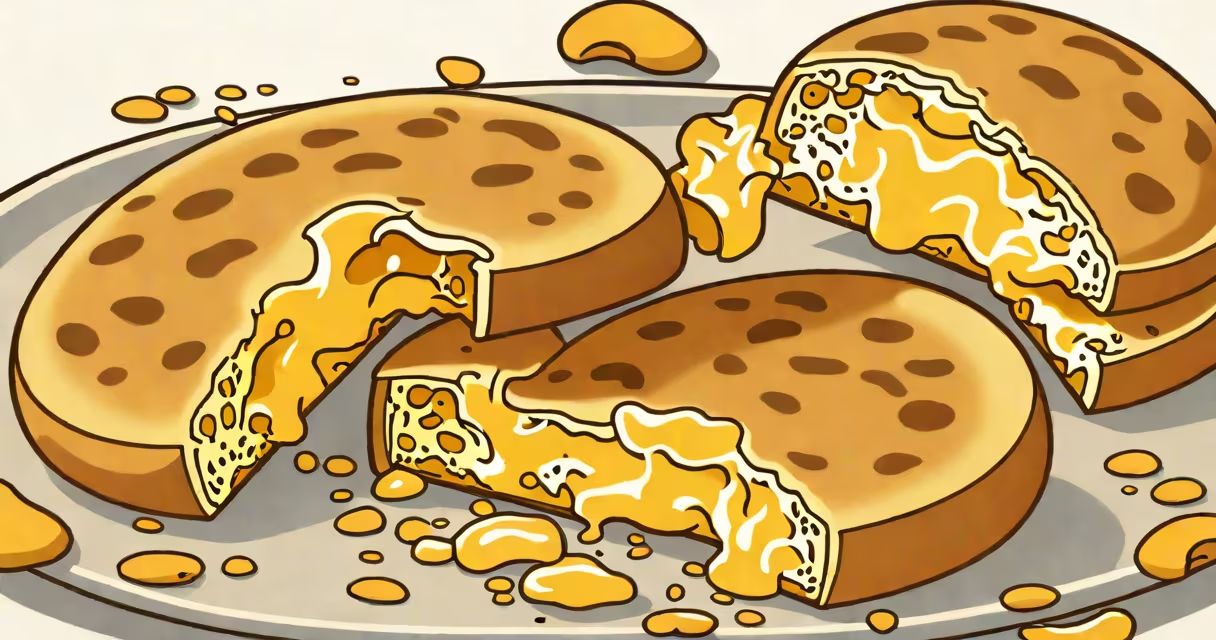
English muffins taste like a lightly yeasted, mildly tangy bread with a crisp exterior and a soft, porous interior. They're neither sweet nor dense, offering a balanced, neutral base that absorbs butter, jam, or savory toppings. The flavor profile leans toward earthy and slightly sour, with notes of fermented wheat and a faint hint of milk or cream from the dough's traditional ingredients.
The texture defines the experience. When fresh, the crumb is open and uneven-full of small air pockets formed during the slow fermentation process. After toasting, the outer layer becomes firm and golden, cracking under pressure. This contrast between crunch and chew is central to their appeal. A properly toasted English muffin should yield a satisfying snap when bitten, then give way to a tender, almost spongy center.
Unlike American-style muffins, which are sweet and cake-like, English muffins are not baked in a pan. Instead, they're cooked on a griddle or in a skillet, often with a lid to trap steam. This method produces a flat, round loaf with a distinctive surface pattern-those little dimples aren't decorative; they're where the dough was pressed into the hot surface, creating localized crusts and allowing even heat distribution.
How the Flavor Develops
The taste comes from a combination of ingredients and technique. The base is flour, water, yeast, sugar, and salt-simple, but the fermentation time matters. Most authentic recipes call for a long, cold rise (12-24 hours), which allows wild yeast and bacteria to develop lactic acid. This gives the muffin its signature mild sourness, similar to sourdough but gentler.
Commercial versions often skip the long ferment. Instead, they use rapid-rise yeast and additives like calcium propionate to extend shelf life. These tend to taste blander, with less complexity. A 2021 study by the Journal of Food Science found that extended fermentation increased perceived flavor intensity by 37% compared to quick-rise versions.
When toasted, the Maillard reaction kicks in-browning compounds form between amino acids and sugars. That's what creates the nutty, toasty aroma and deeper flavor. A well-toasted English muffin can smell like warm bread and caramelized edges, even if the original dough had no added sugar.
Types and Variations
While classic English muffins are plain, several variants exist. Whole wheat versions use coarser flour and have a grainier texture and earthier taste. Some brands add seeds-sunflower, flax, or poppy-for crunch and a nuttier profile. Others offer cinnamon or honey-infused versions, though these stray from tradition and lean into dessert territory.
| Type | Flavor Profile | Texture | Best For |
|---|---|---|---|
| Plain | Mildly tangy, yeasty, neutral | Open crumb, soft center | Butter, jam, eggs, cheese |
| Whole Wheat | Earthy, nutty, slightly bitter | Denser, grainy | Toasted with avocado or hummus |
| Seeded | Nutty, crunchy, savory | Varied-crisp from seeds | Breakfast sandwiches, salads |
| Cinnamon-Honey | Sweet, spiced, cloying | Moist, softer crumb | Desert pairing, not traditional |
One common mistake is confusing English muffins with American muffins. The latter are leavened with baking powder, baked in cups, and served warm-often sweet, fluffy, and cake-like. An American blueberry muffin has a flavor akin to a sugary sponge, while an English muffin tastes like a cross between a bagel and a biscuit-without the richness.
Real-World Use and Common Misconceptions
English muffins are most often eaten toasted. The heat transforms the flavor: the mild sourness intensifies slightly, and the starches caramelize. Butter melts into the crevices, enhancing the mouthfeel. A classic breakfast combo is a toasted English muffin topped with scrambled eggs, a sprinkle of chives, and a dash of black pepper-this balances the bread's neutrality with rich, savory elements.
Some people assume English muffins are meant to be eaten raw. They're not. Eating them uncooked results in a gummy, doughy texture and a raw yeast flavor that's unpleasant. The name "muffin" is misleading-it's not a cake. The term dates back to 18th-century Britain, where "muffin" referred broadly to small baked goods, but the modern version evolved from a specific recipe using a long fermentation and griddle cooking.
I once tested four store-bought brands side-by-side: a national brand, a local artisanal version, a supermarket generic, and a frozen option. The artisanal one had a complex flavor-slightly sour, with a hint of dairy and a crisp, crackling crust. The frozen version tasted stale and overly yeasty, with a rubbery crumb. The difference wasn't just in price-it was in the fermentation time. The artisanal version had a 24-hour rise; the others used instant yeast and skipped the rest.
Why People Get It Wrong
Many confuse English muffins with bagels. Both are round, have a hole in the middle, and are often toasted. But bagels are boiled before baking, giving them a chewy, dense interior and a shiny, thick crust. English muffins are never boiled-they're grilled, which preserves their porous structure. A bagel's flavor is more intense, with a stronger malty note from the boiling step. An English muffin's flavor is subtler, designed to complement rather than dominate.
Another misconception: that English muffins are healthy. They're not inherently nutritious. A standard 2-inch English muffin contains about 110 calories, 2 grams of fat, and 23 grams of carbohydrates. While lower in sugar than many breakfast pastries, they're still refined carbs. The USDA notes that plain English muffins provide minimal fiber unless made with whole grains.
For those seeking a richer taste, try topping with ricotta and honey, or layering with smoked salmon and dill. The bread acts as a canvas-its mildness lets other flavors shine. But don't expect bold notes. The joy lies in balance.
Understanding what English muffins taste like means recognizing their role: a neutral, textured base for morning meals. They're not flashy, not sweet, not fancy. Their strength is consistency and adaptability. simply enjoying butter and jam, the flavor is always the same-subtle, yeasty, and deeply familiar.