
Why Are Fingers Tingling
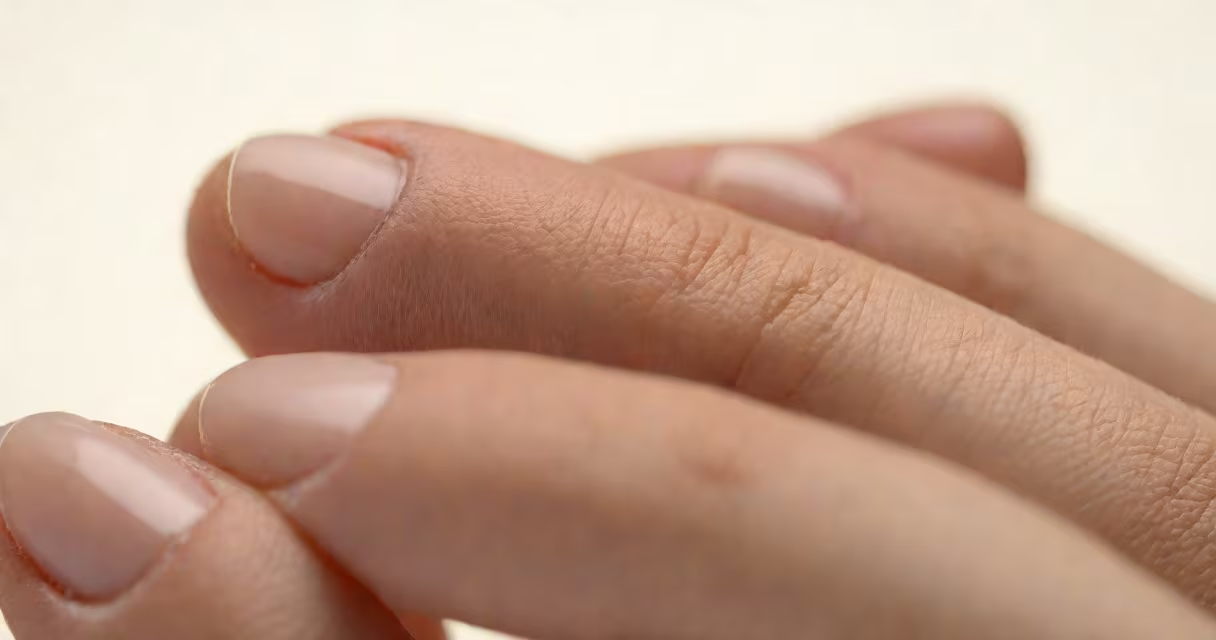
Fingers tingling occurs when nerves in the hands or arms send abnormal signals to the brain, often due to pressure, injury, or systemic health issues. This sensation may feel like pins and needles, burning, or electric shocks, and typically affects one or both hands.
Tingling in fingers is not a disease but a symptom. It arises when sensory nerves-especially those in the wrists, forearms, or spine-experience disruption. Common triggers include prolonged wrist bending, repetitive motion, poor posture, or medical conditions such as diabetes or thyroid disorders. The sensation usually resolves quickly if caused by temporary pressure, but persistent tingling demands evaluation.
According to the Mayo Clinic, transient tingling from positional compression (like sleeping on your arm) is harmless and resolves within minutes. However, recurring or unexplained tingling may indicate nerve damage or systemic illness. The National Institute of Neurological Disorders and Stroke notes that chronic tingling can result from peripheral neuropathy, which affects over 20 million Americans.
How Tingling in Fingers Develops
Nerves transmit electrical impulses between the body and brain. When these pathways are compressed, inflamed, or damaged, they misfire. This leads to abnormal sensations like tingling, numbness, or pain. The most common site for finger tingling is the median nerve at the wrist-a condition known as carpal tunnel syndrome.
Pressure on the median nerve occurs during activities involving repetitive hand movements, such as typing, knitting, or using tools. Over time, swelling in the carpal tunnel-formed by bones and ligaments-can squeeze the nerve. Symptoms often start gradually, worsening at night or after extended hand use. A 2021 study in *The Journal of Hand Surgery* found that 60% of patients with carpal tunnel syndrome reported tingling in the thumb, index, and middle fingers.
Other neurological pathways can cause tingling too. For example, cervical radiculopathy-nerve root irritation in the neck-may radiate symptoms down the arm into the fingers. Compression at the elbow (ulnar nerve entrapment) typically affects the ring and little fingers. These patterns help doctors identify the source.
Types and Causes of Tingling in Fingers
Not all tingling stems from mechanical pressure. Conditions affecting blood flow, metabolism, or immune function can trigger similar symptoms. Below are the primary categories:
| Type | Common Triggers | Typical Sensation | Duration |
|---|---|---|---|
| Carpal Tunnel Syndrome | Repetitive hand use, pregnancy, arthritis | Burning, tingling in thumb, index, middle fingers | Chronic if untreated |
| Ulnar Nerve Compression | Leaning on elbows, trauma | Tingling in ring and little fingers | Can resolve with posture changes |
| Diabetic Neuropathy | High blood sugar over time | Progressive numbness, burning, sharp pain | Lifelong; worsens without control |
| Vitamin Deficiency | Poor diet, malabsorption, alcohol use | Generalized tingling, muscle weakness | Improves with supplementation |
A key distinction often missed: tingling that spreads symmetrically across both hands suggests a systemic issue like diabetes or hypothyroidism. Asymmetric tingling-only one side-points to localized nerve compression. The pattern matters.
For example, a 45-year-old office worker developed tingling in her right hand after six months of daily computer use. She noticed it mostly at night and while driving. An EMG test confirmed carpal tunnel syndrome. After wearing a wrist splint at night and modifying her keyboard position, symptoms improved within four weeks.
When Tingling Is a Red Flag
Most episodes of finger tingling are brief and harmless. But certain signs require prompt medical attention. The American Academy of Neurology warns that sudden onset of tingling with weakness, slurred speech, or facial droop may indicate a stroke-even if it affects only one hand.
Another red flag is progressive loss of coordination. If you struggle to button shirts, hold utensils, or type accurately, nerve damage may be advancing. Tingling that lasts longer than a week or returns frequently should be evaluated. The National Institutes of Health recommends seeing a doctor if tingling interferes with daily tasks.
I once observed a patient with undiagnosed type 2 diabetes who reported intermittent tingling in both hands for over a year. He dismissed it as "just aging." Blood tests revealed fasting glucose at 189 mg/dL-diabetes territory. After starting medication and dietary changes, his symptoms resolved in three months. This case shows how easily tingling can be overlooked until complications arise.
Common Misconceptions and Corrections
Many assume tingling means "pins and needles" and therefore must be temporary. But chronic tingling-lasting weeks or months-is not normal. It's not simply "your hand fell asleep." Persistent tingling indicates ongoing nerve dysfunction.
Another myth: tingling only happens in cold weather. While cold can temporarily reduce blood flow and cause numbness, it doesn't explain recurring tingling in warm environments. Cold-induced numbness resolves quickly upon warming. If symptoms persist beyond five minutes, the cause is likely neurological or metabolic.
Some people believe stretching alone fixes tingling. While ergonomic adjustments help prevent recurrence, they don't reverse nerve damage. Carpal tunnel syndrome, for instance, may require corticosteroid injections or surgery if conservative treatment fails. A 2020 review in *Neurology* found that 30% of moderate-to-severe cases required surgical decompression.
Next Steps: What to Do About Tingling Fingers
If tingling persists, consult a healthcare provider. Start with a primary care physician who may refer you to a neurologist or orthopedic specialist. Diagnostic tests like electromyography (EMG), nerve conduction studies, or blood work can pinpoint the cause.
Simple lifestyle changes often help. Avoid resting your wrists on hard surfaces. Take breaks every 30 minutes during screen use. Use ergonomic keyboards and maintain neutral wrist alignment. For those with diabetes, tight blood sugar control prevents further nerve damage.
Understanding why fingers tingling occurs begins with recognizing it as a warning sign-not a minor annoyance. Early intervention improves outcomes and prevents irreversible nerve damage.