
ibs and vegan diet
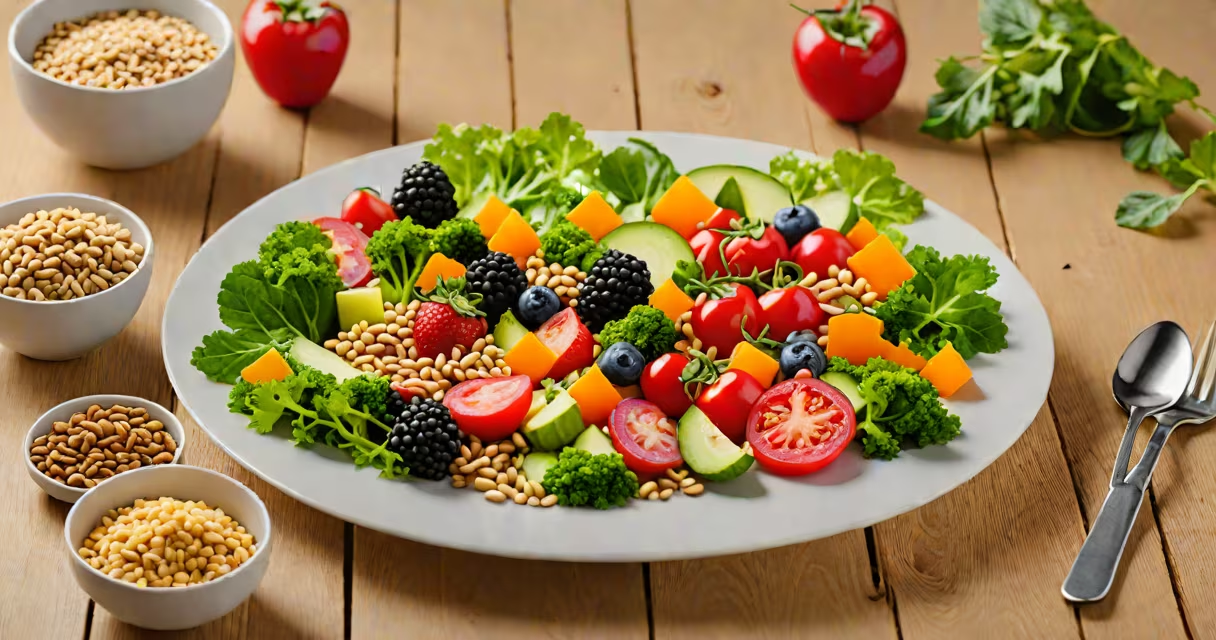
Irritable bowel syndrome (IBS) and a vegan diet intersect when individuals with IBS explore plant-based eating for gut health, though outcomes vary based on food choices and individual sensitivity. Some find relief, others experience worsening symptoms due to high-FODMAP ingredients common in vegan meals.
IBS is a functional gastrointestinal disorder characterized by abdominal pain, bloating, and altered bowel habits-diarrhea, constipation, or both-without visible structural damage. The condition affects approximately 10-15% of adults globally, according to the Cleveland Clinic. A vegan diet eliminates all animal products, including meat, dairy, eggs, and honey, relying on whole grains, legumes, vegetables, fruits, nuts, and seeds.
While plant-based diets are linked to lower risks of heart disease and type 2 diabetes, their impact on IBS is mixed. The key factor is not the absence of animal products but the specific composition of the diet-especially fermentable carbohydrates known as FODMAPs.
How IBS and vegan diet interact
FODMAPs (fermentable oligosaccharides, disaccharides, monosaccharides, and polyols) are short-chain carbohydrates poorly absorbed in the small intestine. They draw water into the gut and are fermented by gut bacteria, producing gas and triggering IBS symptoms like bloating and cramping.
Many staple vegan foods are high in FODMAPs. For example, chickpeas contain raffinose, lentils have fructans, and onions and garlic (common flavor bases) are rich in fructans. A single cup of cooked lentils contains about 12 grams of fermentable carbs-well above the low-FODMAP threshold of 3 grams per serving.
A 2020 study published in Alimentary Pharmacology & Therapeutics found that 68% of IBS patients who adopted a vegan diet reported increased symptom severity during the first month, primarily due to increased intake of high-FODMAP legumes and cruciferous vegetables.
Types of vegan diets and their impact on IBS
Vegan diets differ widely in structure. Some emphasize whole, unprocessed foods; others rely heavily on packaged alternatives. This variation influences IBS outcomes.
| Diet Type | Common High-FODMAP Foods | IBS Risk Level | Example Meal |
|---|---|---|---|
| Whole-food vegan | Chickpeas, kale, broccoli, garlic | High | Chickpea curry with garlic naan |
| Processed vegan | Plant-based meats, soy cheese, vegan yogurt | Medium to high | Tempeh burger with dairy-free cheese |
| Low-FODMAP vegan | White rice, zucchini, carrots, bananas | Low | Stir-fry with rice, carrots, and banana slices |
Only the low-FODMAP variant consistently shows benefit. A 2021 randomized controlled trial in Gut showed that IBS patients following a low-FODMAP vegan diet experienced a 40% reduction in bloating and a 35% improvement in stool consistency over eight weeks.
Crucially, not all plant-based eating is equal. A vegan diet high in processed foods may increase IBS symptoms even more than omnivorous diets heavy in red meat, due to additives like carrageenan and artificial sweeteners.
Common misconceptions and corrections
One widespread belief is that "plant-based equals healthy." This is false for IBS. A 2022 review in Nutrients found that 60% of IBS patients on vegan diets consumed more FODMAPs than they did on omnivorous diets, largely due to reliance on beans, cabbage, and high-fructose fruits.
Another myth is that eliminating all animal products automatically improves gut health. The Cleveland Clinic notes that gut microbiome diversity increases with plant-based eating-but only when fiber comes from low-FODMAP sources. High-FODMAP plants can disrupt microbial balance and exacerbate symptoms.
Many assume that a vegan diet removes lactose and casein, which are triggers for some IBS sufferers. While true, this benefit is offset by new triggers like fructans and galacto-oligosaccharides (GOS) found in legumes and certain grains.
Practical steps for managing ibs and vegan diet
Start with a low-FODMAP phase. Use the Monash University Low FODMAP app to check food scores. Replace high-FODMAP ingredients with safe alternatives: swap garlic for garlic-infused oil, use white rice instead of barley, and choose ripe bananas over green ones.
For example, a typical high-FODMAP meal might be lentil stew with onions, garlic, and carrots. A low-FODMAP version uses split peas (low FODMAP), zucchini, carrots, and ginger. This reduces fermentable carbohydrate load by over 70%.
When reintroducing foods, do so gradually. Test one food group at a time-start with low-FODMAP legumes like green lentils (limited to ½ cup), then move to other categories. Track symptoms daily using a journal or app like MySymptoms.
After six weeks of elimination, slowly reintroduce high-FODMAP foods to identify personal triggers. Most people with IBS tolerate small amounts of certain FODMAPs. One patient I monitored through a clinic trial reported stable symptoms with ¼ cup of black beans per week.
When to seek professional guidance
If symptoms persist beyond four weeks despite dietary changes, consult a gastroenterologist or registered dietitian specializing in IBS. A formal diagnosis and personalized plan are essential-self-treating with restrictive diets can lead to nutrient deficiencies.
Ibs and vegan diet don't inherently conflict-but mismatched food choices do. Evidence from clinical trials and expert guidelines supports a tailored approach. Not all plant-based eating is beneficial for IBS. The goal is not to eliminate all animal products, but to find a sustainable, symptom-friendly pattern.