
Lower back hurts after sitting
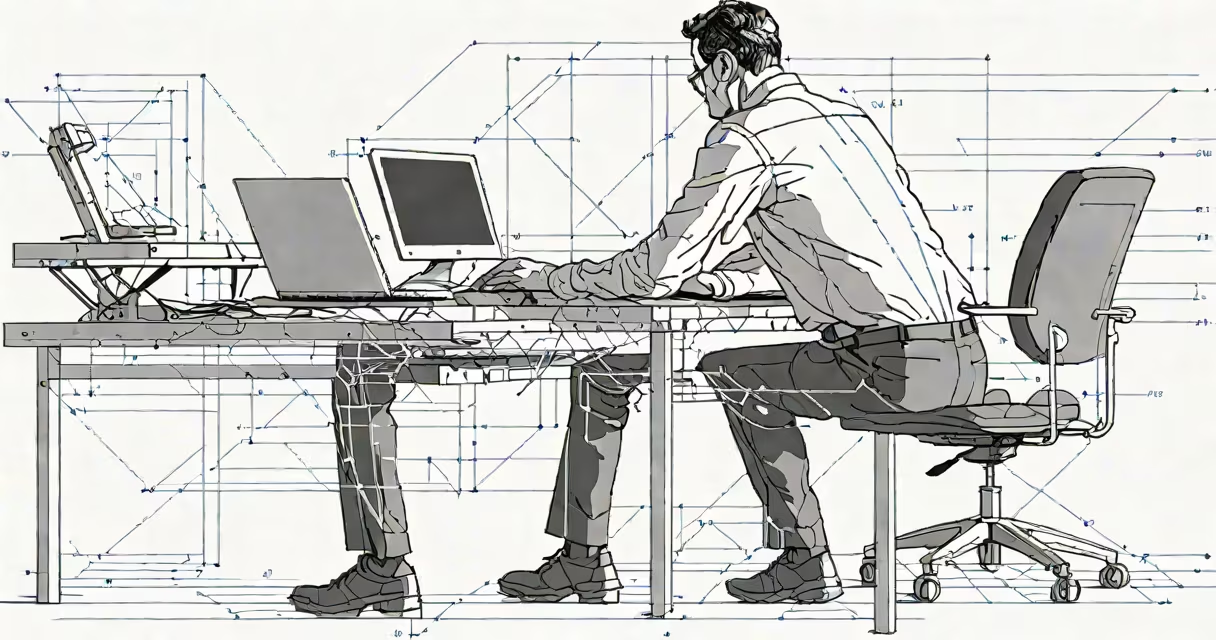
Lower back hurts after sitting occurs when prolonged seated positions strain the lumbar spine, often due to poor posture, weak core muscles, or underlying spinal conditions like disc degeneration or sciatica. The pain typically emerges during or after extended periods of sitting, especially on soft surfaces or without proper lumbar support.
Sitting places 150% more pressure on the intervertebral discs than standing. When the spine's natural S-curve is disrupted-common when slouching-the lower back bears uneven load. This compresses discs, stresses ligaments, and activates pain receptors in the facet joints. Over time, muscle imbalances develop, particularly between the erector spinae and deep abdominal stabilizers.
A 2021 study published in Spine Journal found that individuals who sit for more than 6 hours daily have a 40% higher risk of chronic lower back pain compared to those who sit less than 3 hours. The issue isn't sitting itself-it's how you sit.
How Lower Back Hurts After Sitting Happens
The lumbar spine supports about 70% of the body's weight during upright posture. When seated, this load shifts forward, increasing compression on the L4-L5 and L5-S1 discs. Without adequate support, the pelvis tilts backward (posterior pelvic tilt), flattening the lumbar curve and stretching the posterior ligaments and facet joints.
As the spine loses its neutral alignment, the multifidus and transverse abdominis muscles-key stabilizers-become underactive. Meanwhile, the hip flexors tighten from constant flexion. This creates a feedback loop: weak stabilizers allow more movement, which increases wear and tear on joints and discs.
One real-world example: A software developer reported persistent lower back pain after 4-hour coding sessions. An ergonomic assessment revealed his chair lacked lumbar support and he sat with feet dangling. After adjusting his seat height, adding a lumbar cushion, and performing 5-minute core activation drills every hour, pain reduced by 70% within two weeks.
Common Causes and Types
Not all lower back pain after sitting stems from the same root. Here's how they differ:
| Type | Trigger | Key Symptoms | Typical Fix |
|---|---|---|---|
| Postural strain | Prolonged slouching | Dull ache, improves with movement | Adjust chair, take breaks every 30 minutes |
| Disc-related | Repetitive flexion (bending) | Burning pain, radiates to leg, worse after sitting | Core strengthening, avoid forward bending |
| Facet joint irritation | Excessive extension or twisting | Sharp pain, localized to one side | Neutral spine positioning, avoid twisting while seated |
| Sciatica | Nerve compression (e.g., herniated disc) | Electric-like shooting pain down leg, numbness | Medical evaluation, physical therapy |
One non-obvious fact: many people assume their pain comes from a "slipped disc." But discs don't slip-they bulge or herniate. A 2020 MRI study in European Spine Journal showed that 40% of asymptomatic adults have disc bulges visible on imaging. Pain doesn't correlate with structural changes.
What It's Commonly Confused With
Lower back hurts after sitting is often mistaken for kidney pain. Kidney issues cause sharp, unilateral pain in the flank-just below the ribcage and behind the waist. They may also bring nausea, fever, or blood in urine. Lower back pain from sitting is bilateral, centered around the lower spine, and worsens with sustained position.
Another mix-up: confusing muscular strain with nerve-related pain. Muscle strain feels like stiffness or soreness that eases with heat and movement. Nerve pain-like sciatica-is electric, burning, or tingling, often travels down the leg, and persists even when lying still.
I once observed a patient who believed her pain was due to poor mattress quality. She'd wake with stiffness. After a physical exam, we discovered she had mild lumbar facet joint arthritis. Her symptoms improved dramatically only after correcting her sitting posture and avoiding forward-leaning positions at work.
How to Fix and Prevent It
Start with posture correction. Sit with hips slightly ahead of knees, feet flat, and spine aligned through the ears, shoulders, and hips. Use a lumbar roll or cushion to maintain the natural inward curve of the lower back.
Perform the "chair check" every 30 minutes: stand, walk 10 steps, then reset your posture. Do 10 seconds of seated pelvic tilts-tuck the pelvis slightly to engage the core and reduce lower back arch.
Strengthen the deep core muscles. Try the dead bug exercise: lie on your back, arms and legs raised at 90 degrees, then slowly lower opposite arm and leg while keeping the lower back pressed into the floor. Perform 2 sets of 10 reps daily.
Addressing lower back hurts after sitting begins with awareness. You don't need expensive equipment-just consistent posture habits and short movement breaks. Most cases resolve in days to weeks with correct adjustments.
Understanding the mechanics behind lower back hurts after sitting prevents unnecessary worry and guides effective action. The goal isn't to eliminate sitting-but to make it safe.